
The Svenska Flygvapnet, the Swedish Air Force, was founded on 1st July 1926, when the air units of the Army and the Navy were merged.
To celebrate its 100th Anniversary, the Flygvapnet held an airshow on 22nd and 23rd August (with a spotter day on 21st August) in Malmen airbase, near Linköping, known for being the SAAB headquarter (which is actually in Linköping civilian airport, less than a dozen km away). The first Swedish flying school was founded here in 1912, and today the base hosts the headquarter of the Helikopterflottiljen, which manages all the helicopters used by the Swedish Armed Forces, and the Flygvapenmuseum, the biggest aviation musuem in Sweden.
As a big SAAB fighters fan, and also likely being the last 100th Anniversary I will be able to attend, I started planning the trip since the end of 2025, when the show was officially confirmed. My first doubt: will the airshow be backlit? I asked people who attended the 2016 event, and they confirmed me that the public was placed in an optimal way, south of runway 08-26 (the other runway being 01-19). Unfortunately, few days before the show it was revealed that the public would be placed west of runway 01-19.
“Well, at least you will be backlit during the morning only!”
Unfortunately not. The display line was south of the crowd line, perpendicular to it, and very far! Moreover, there were some small hills covered with trees, with some solo passes covered by the trees! I wonder what the northernmost public was able to see.
Luckily, the extensive spotter enclosure was in the southernmost point… at least until it was inexplicably removed at noon on Sunday, making it open to everybody. Finally, people attending the spotter day were driven away before the flying activity ended.
Some people tried going in the fields south of the airbase, but according to some rumours (later revealed to be false) MP were driving away photographers, so I did not trust going there.
The overall feeling was that public was an afterthought… which it likely was, since Linköping hosted also its biggest festival in the same weekend.
Ok ok, I’ll stop complaining and start publishing photos… at least those that were not culled due to excessive distance.
The show was opened by a training aircraft parade.
Klemm Kl 35D (Swedish designation: Sk15)
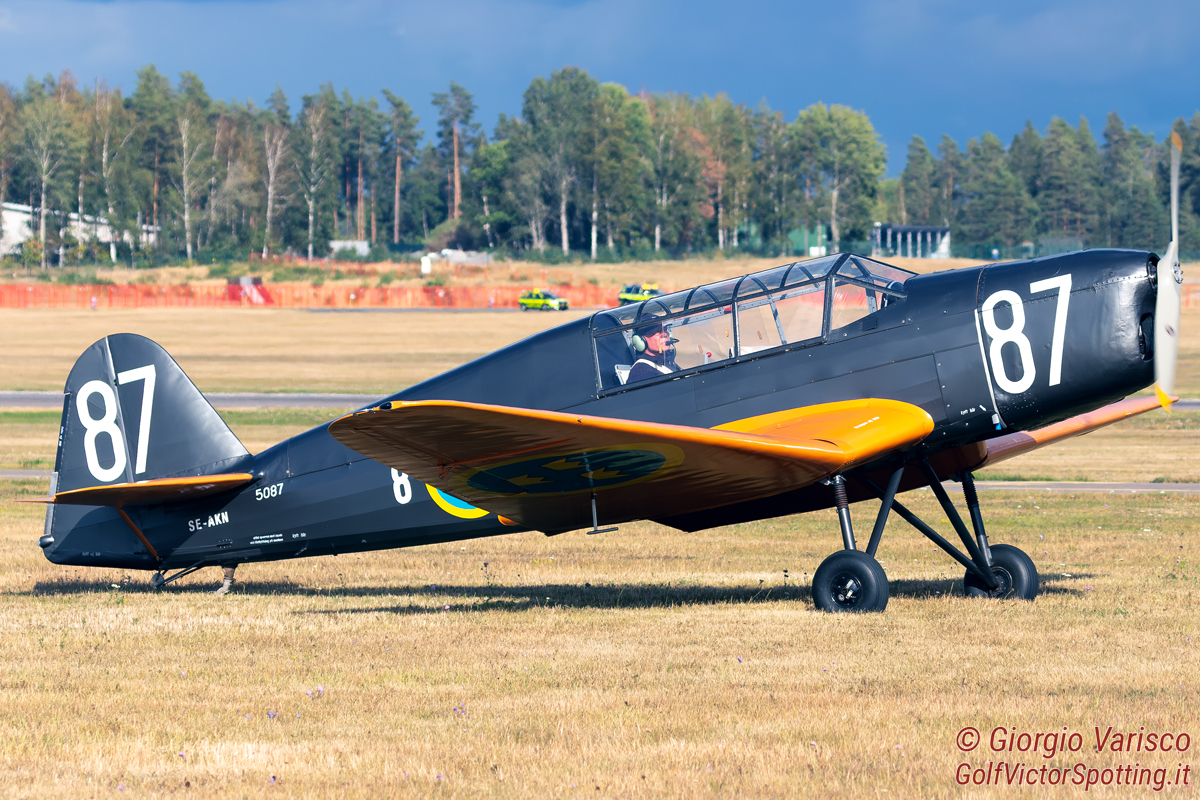
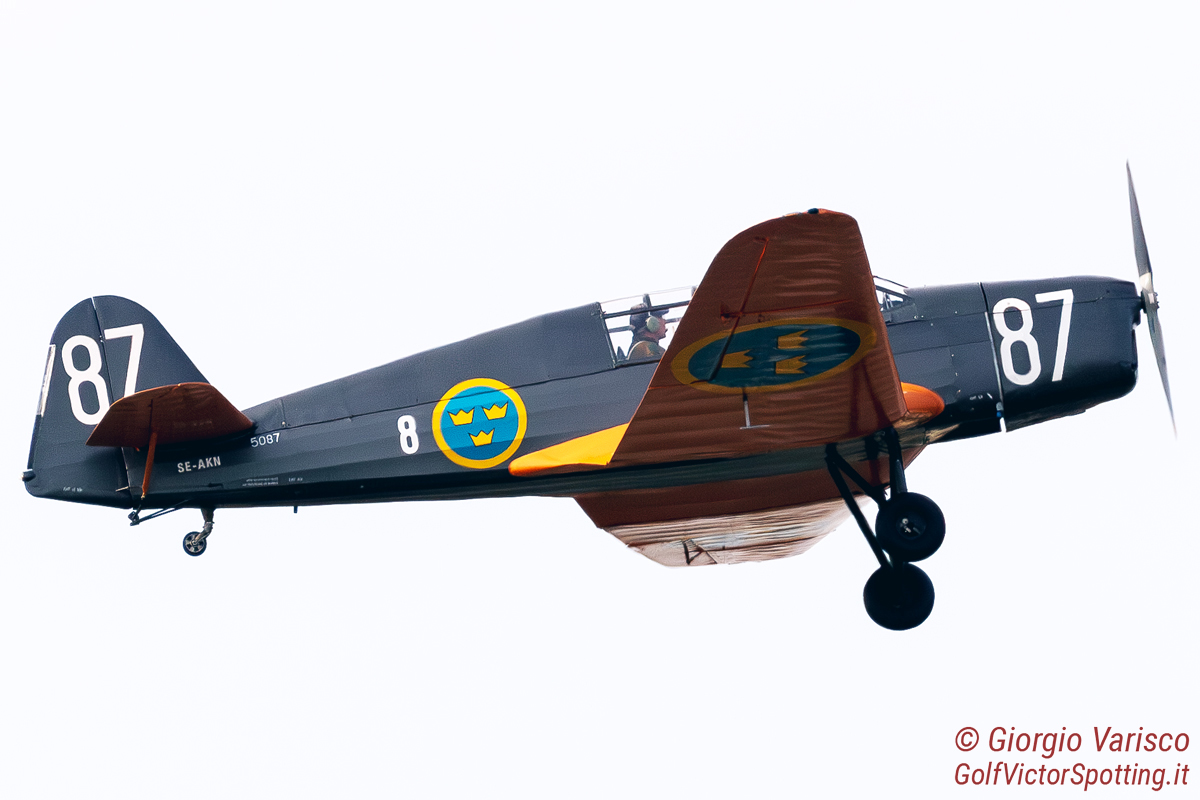
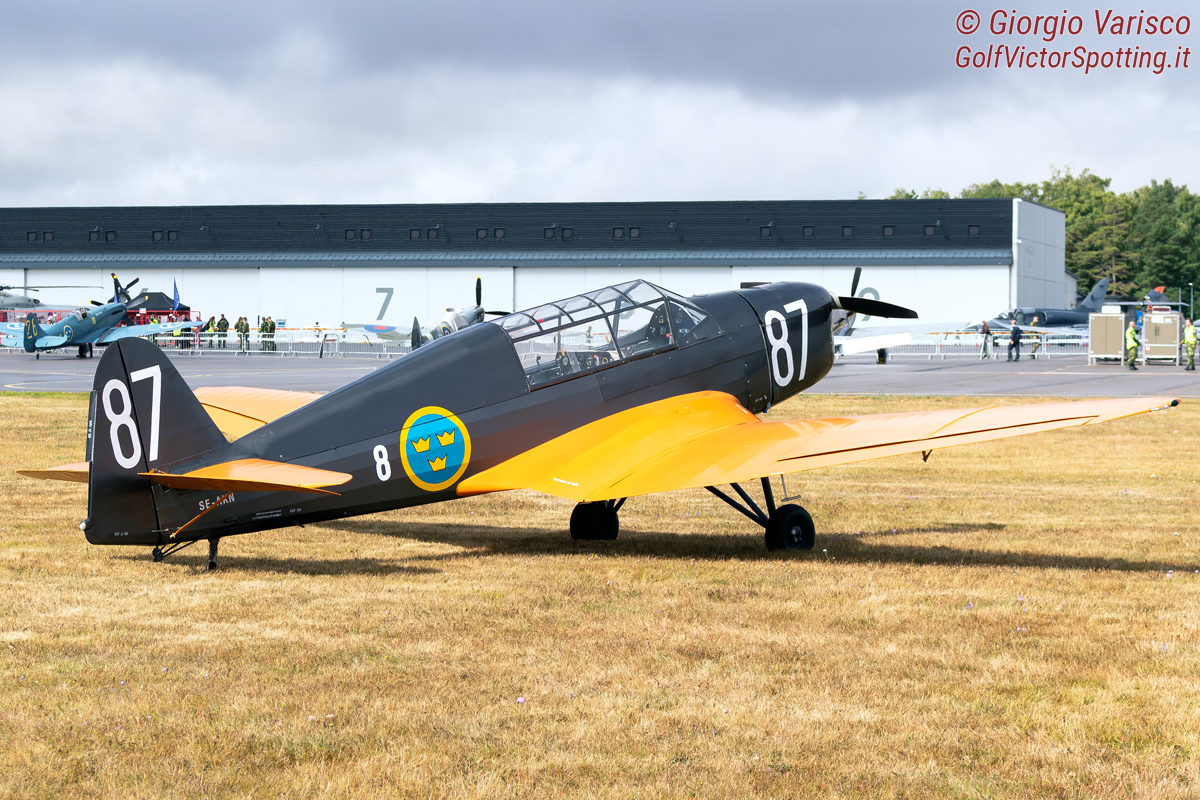
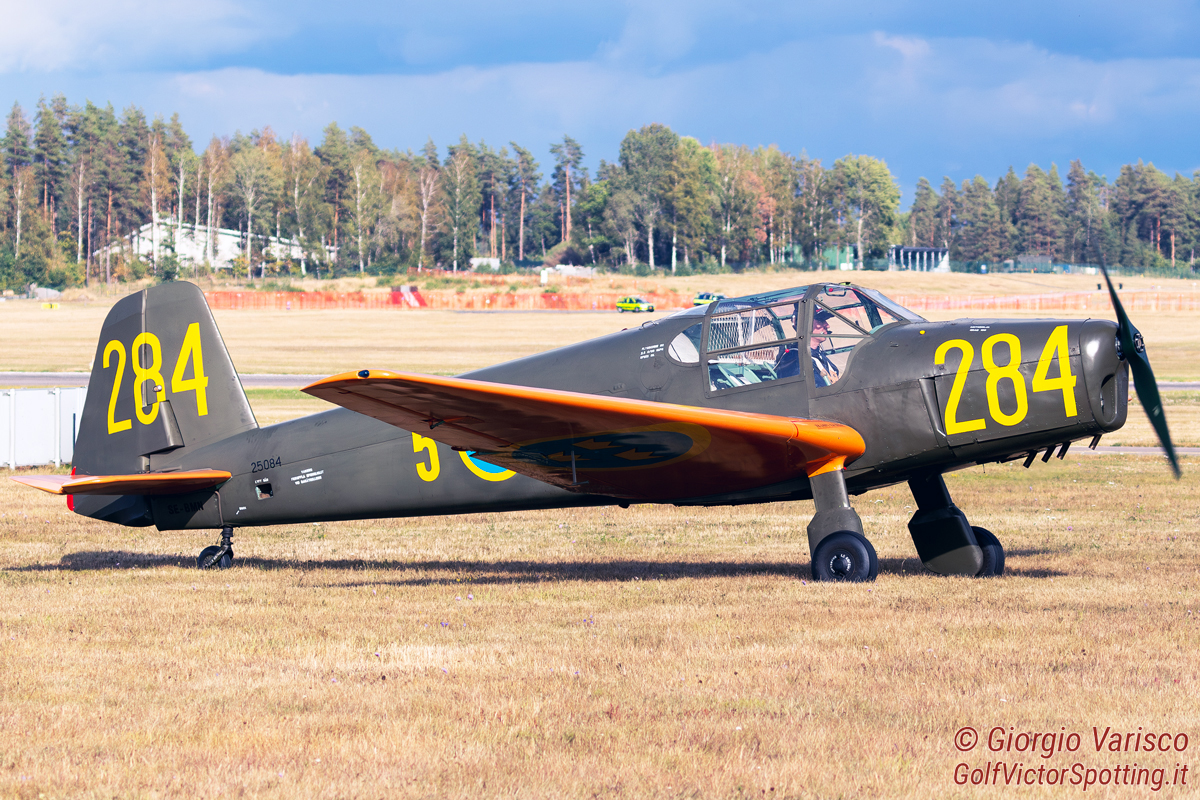
Bücker Bü 181B Bestmann (Swedish designation: Sk25)
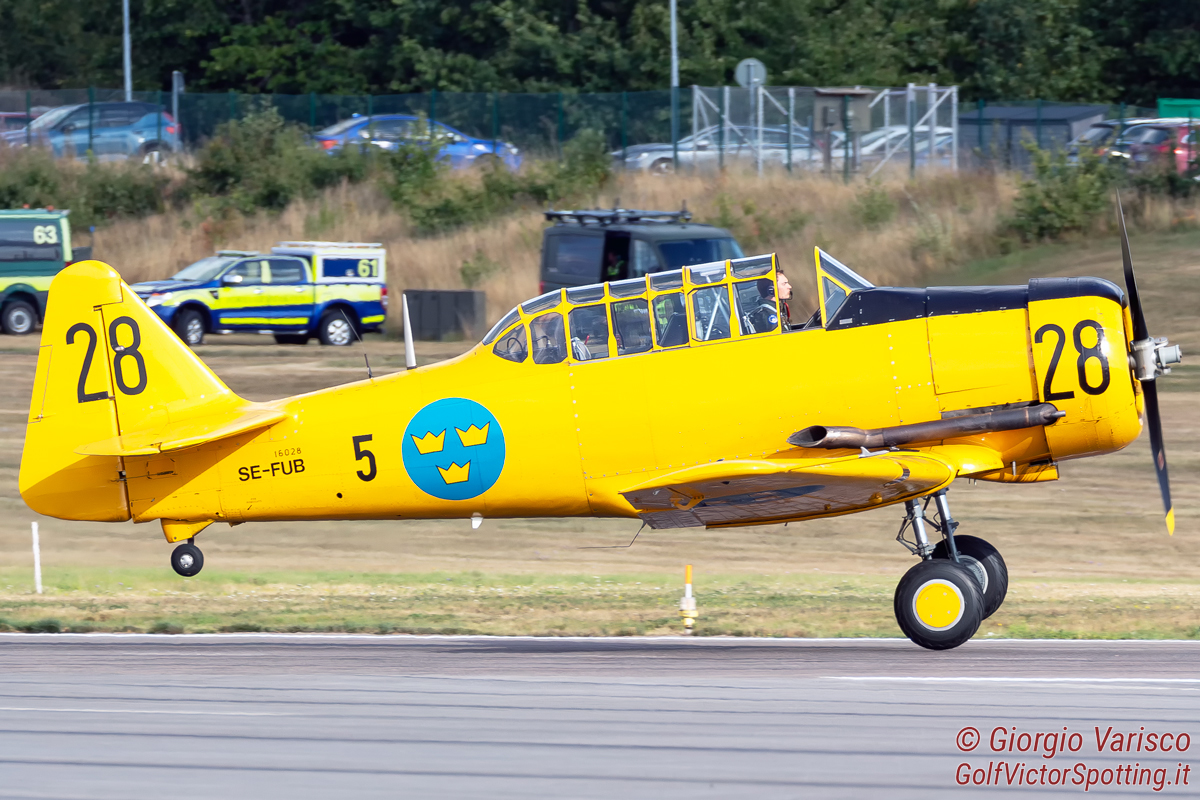
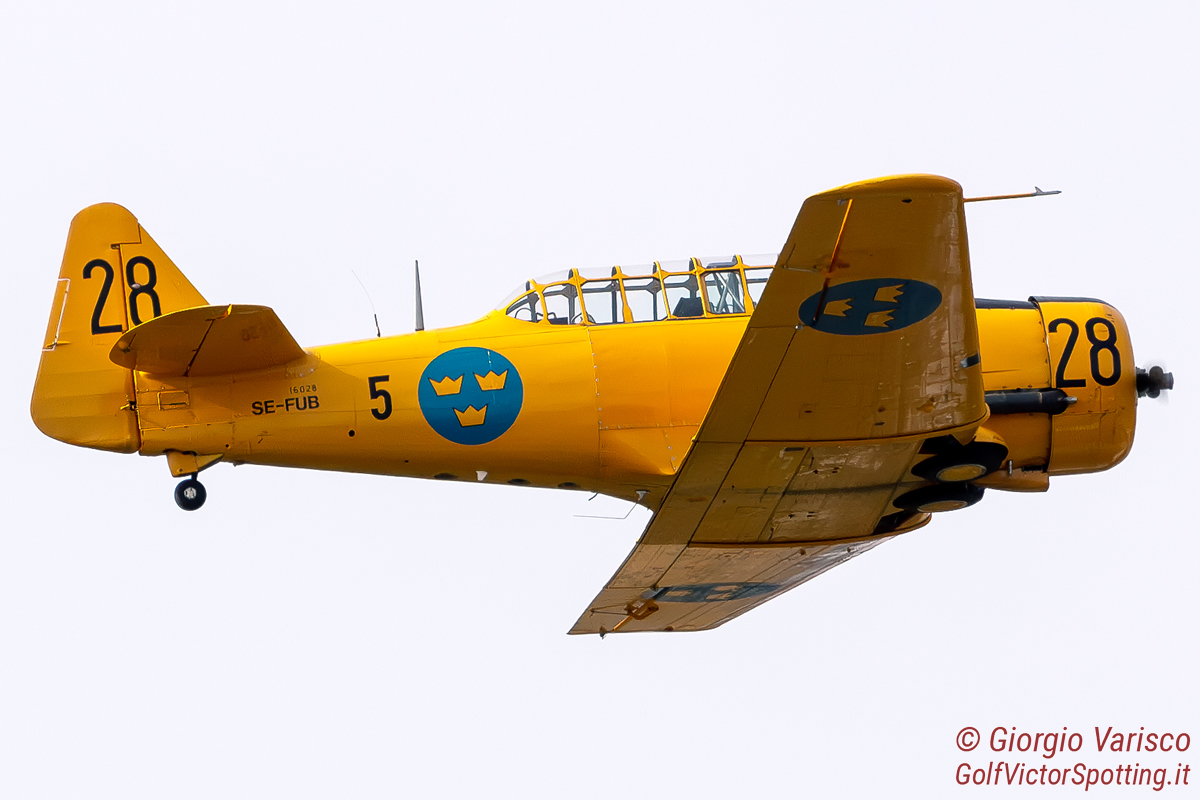
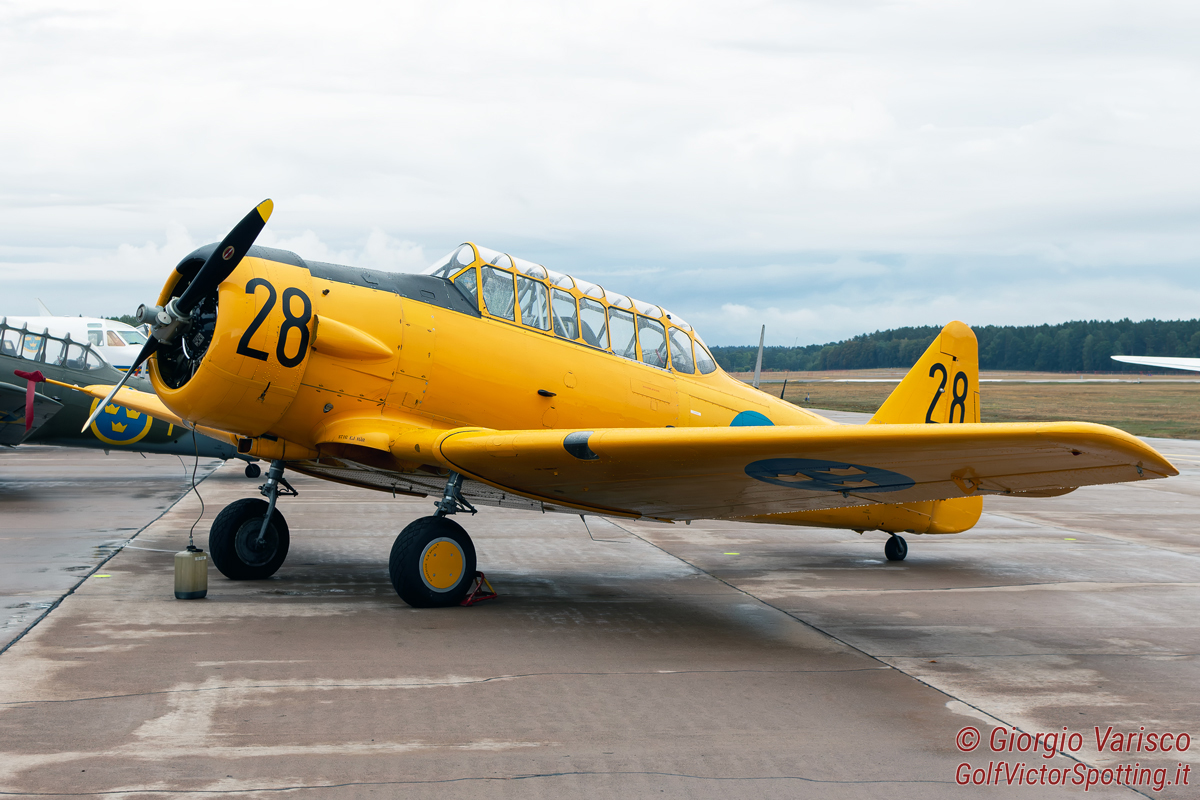
North American Harvard IIb (Swedish designation: Sk16A)
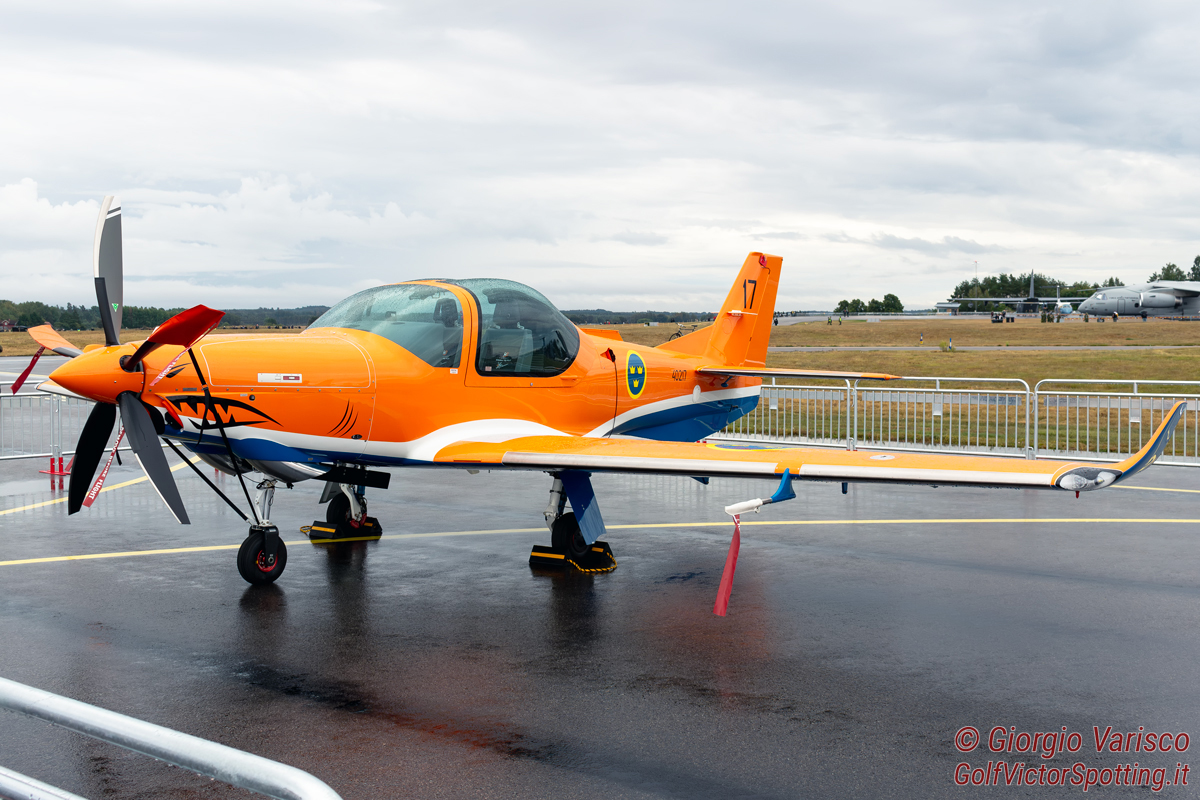
Grob G120TP (Swedish designation: Sk40), which also performed a solo display
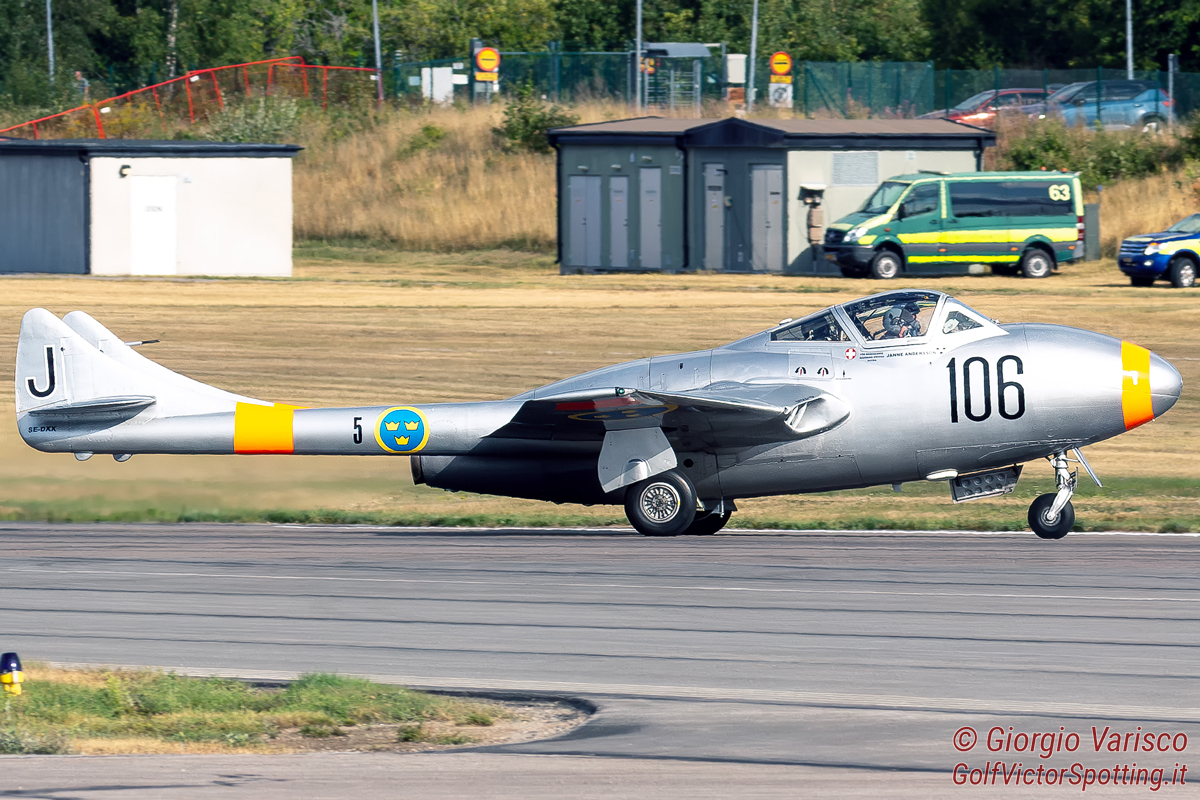
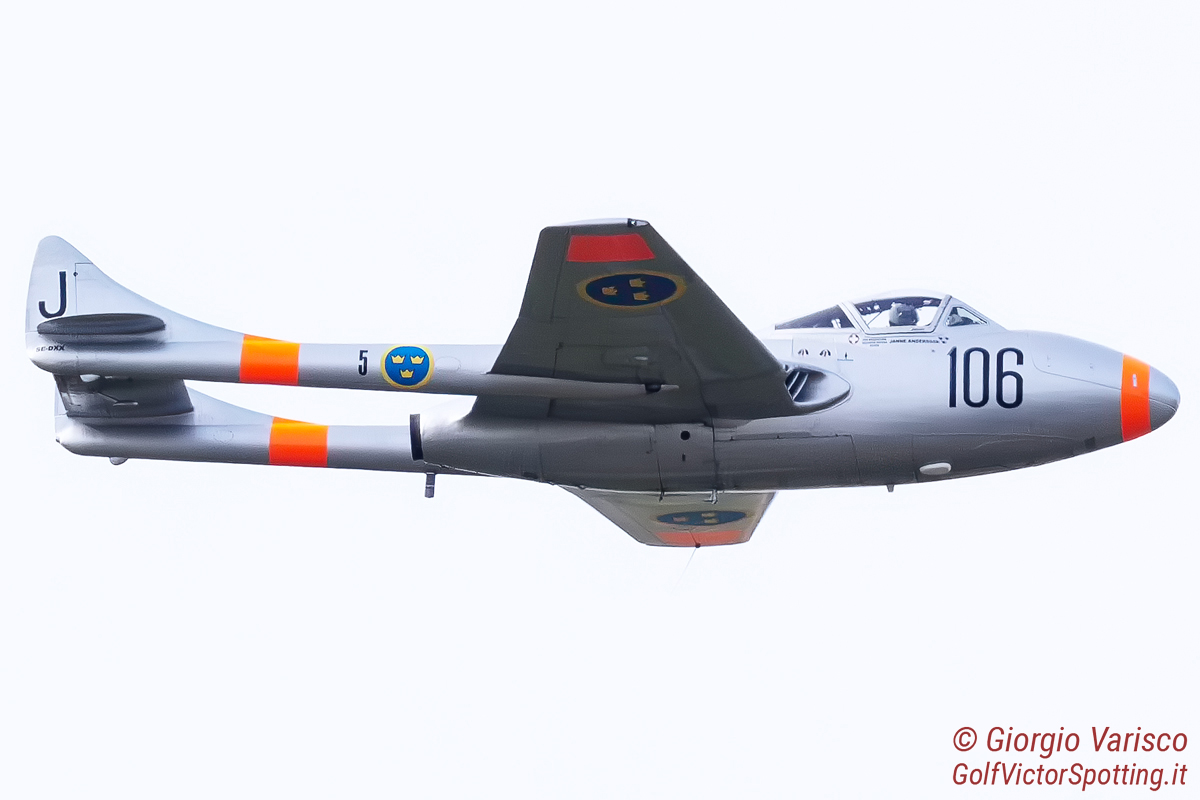
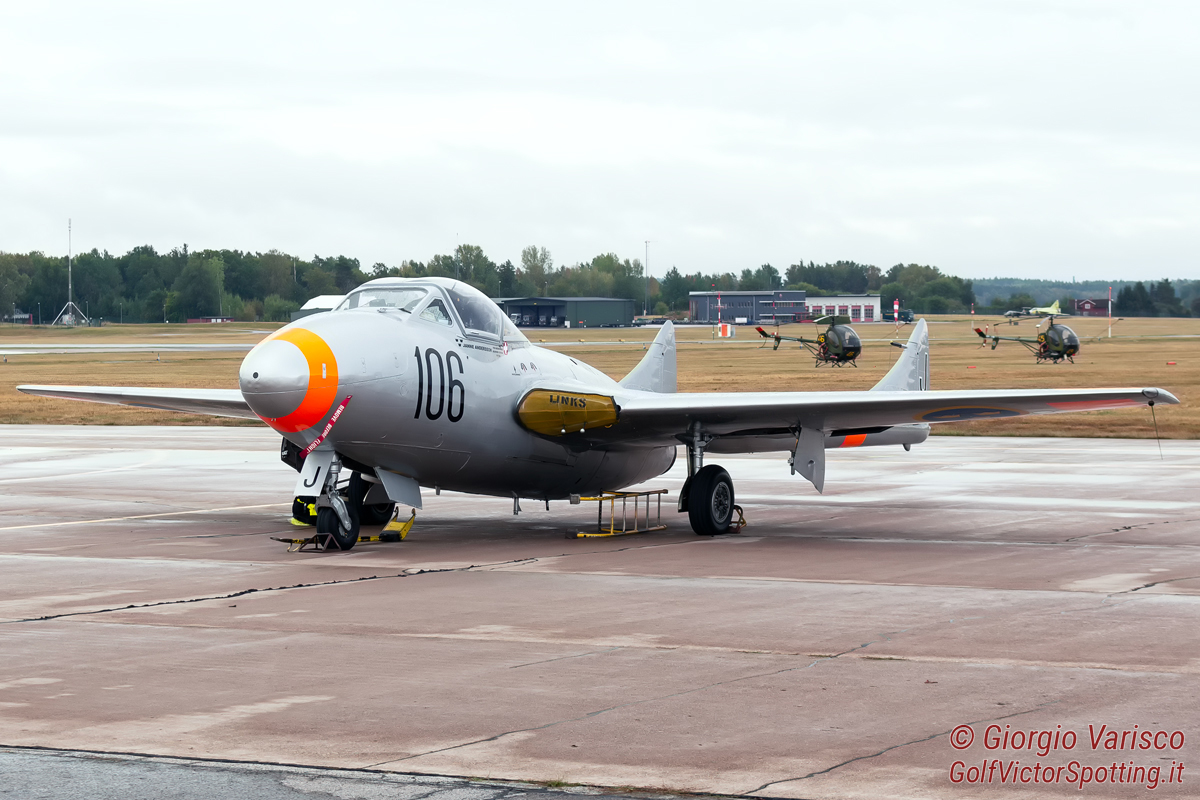
de Havilland DH.115 Vampire (Swedish designation: J28C), which lost the canopy during the takeoff on Sunday (but I was not able to witness it, since I was visiting the static display)
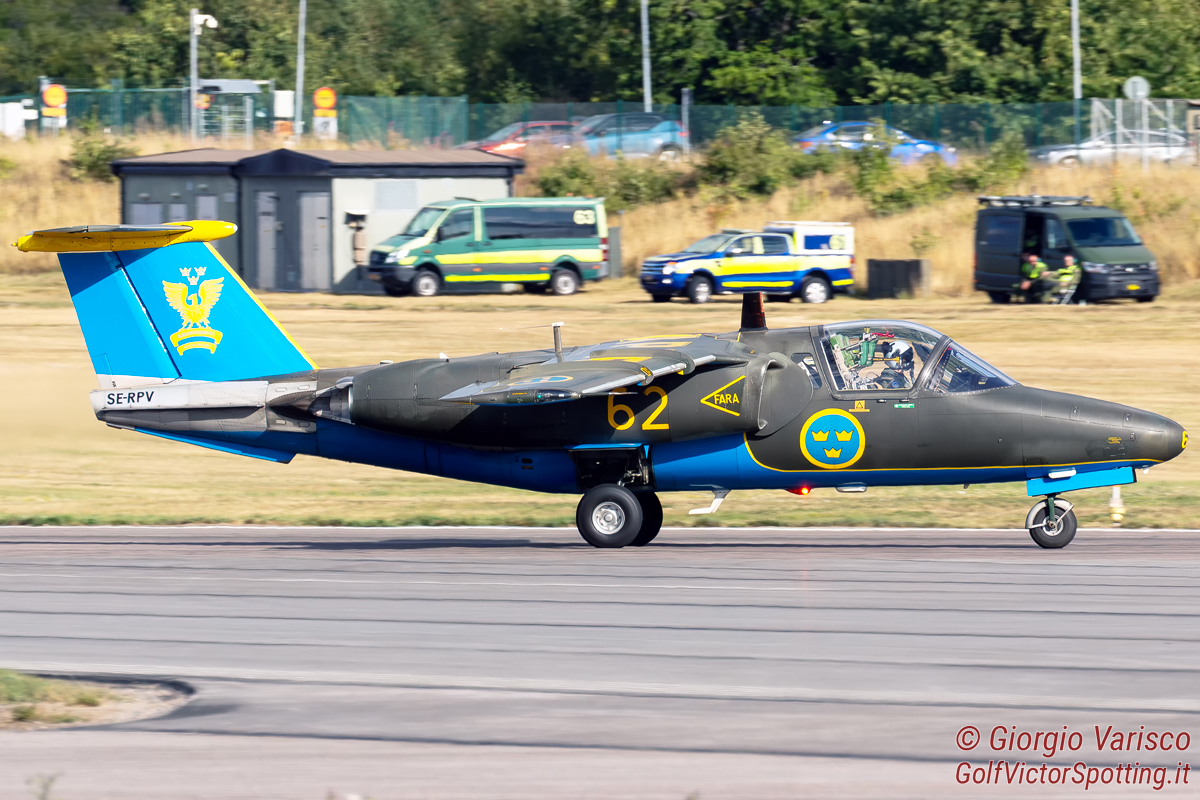
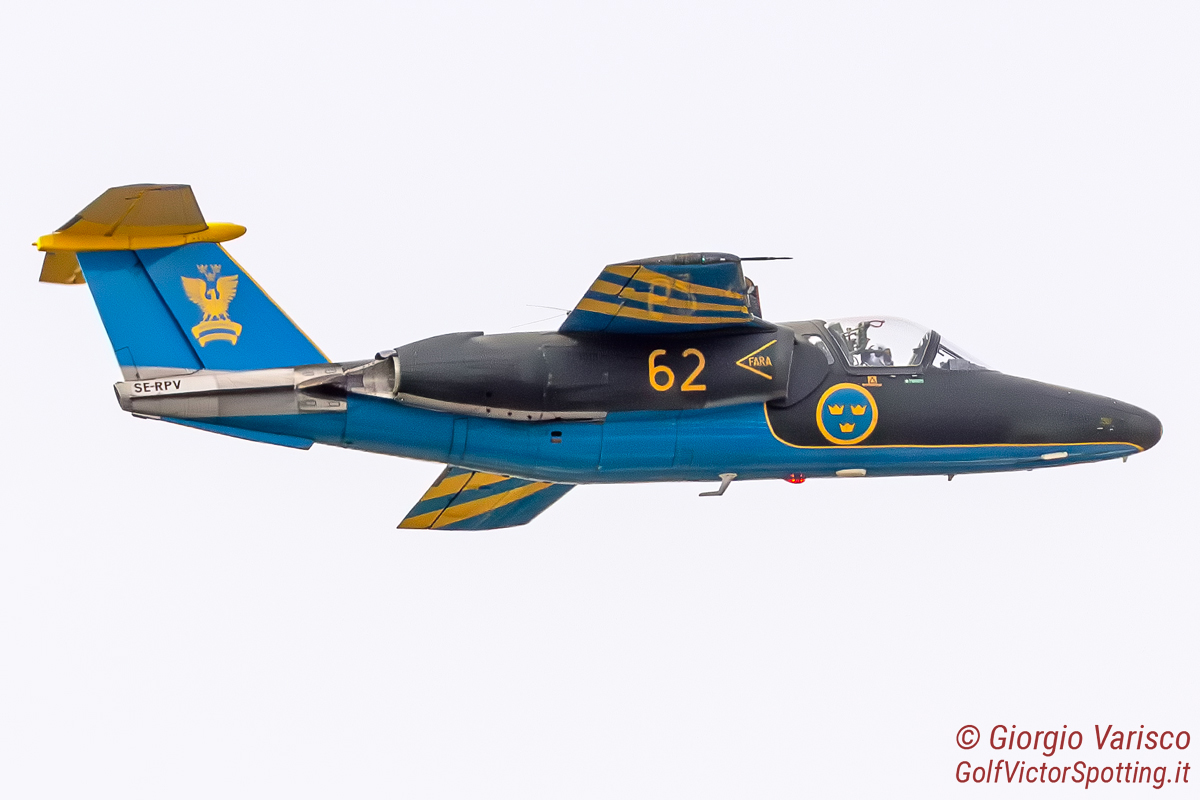
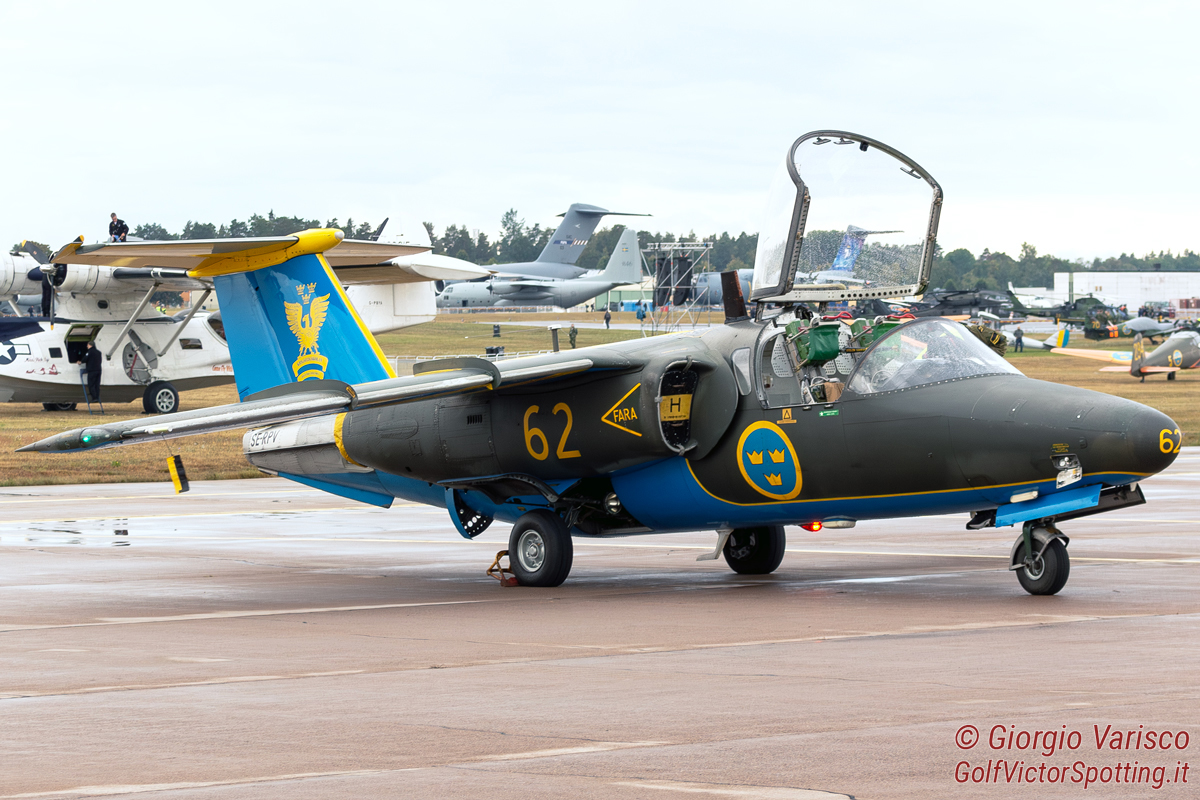
SAAB 105 (Swedish designation: Sk60) operated by Swedish Air Force Historic Flight, a civil organization which keeps former Swedish Air Force aircraft airworthy
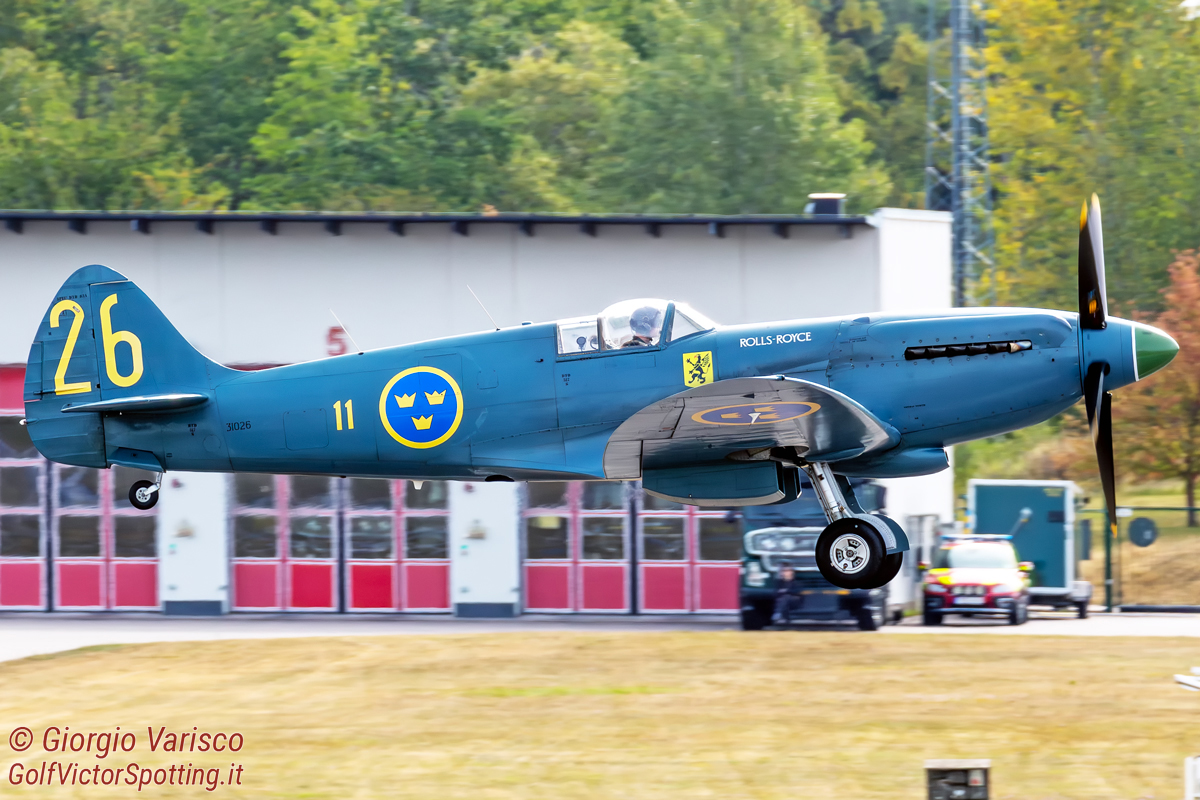
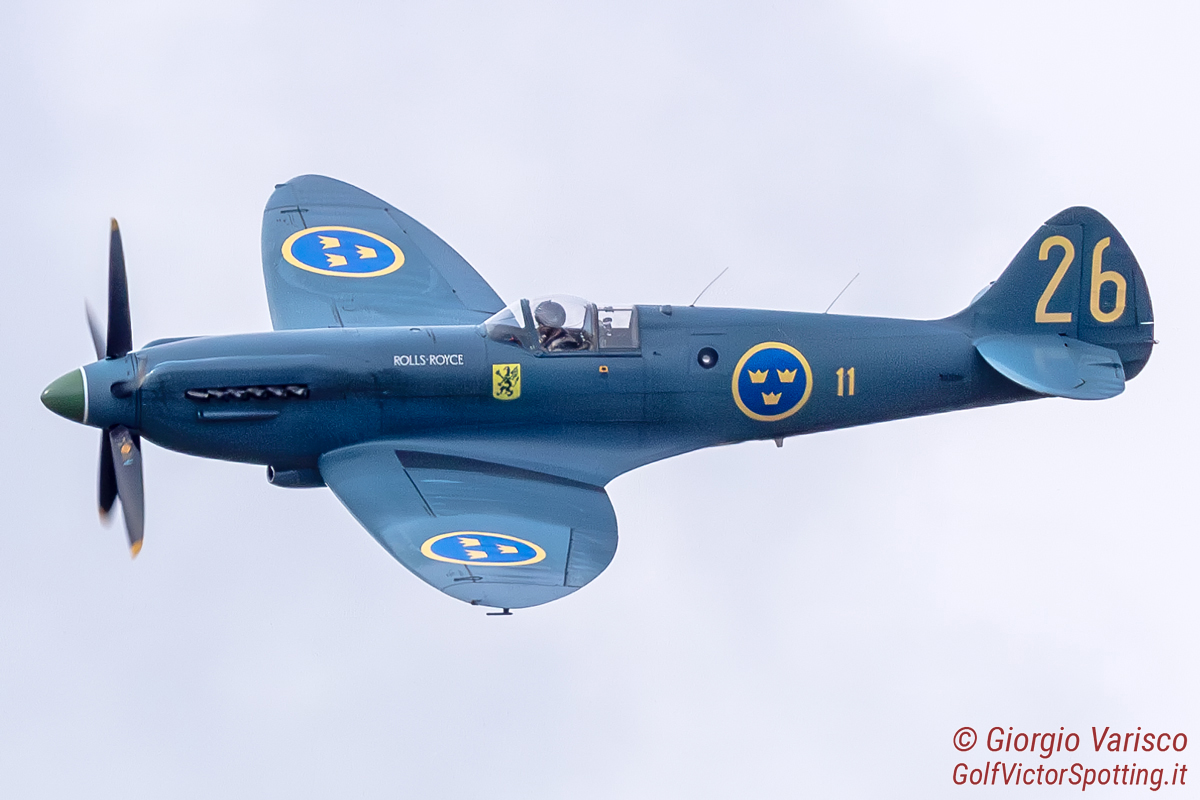
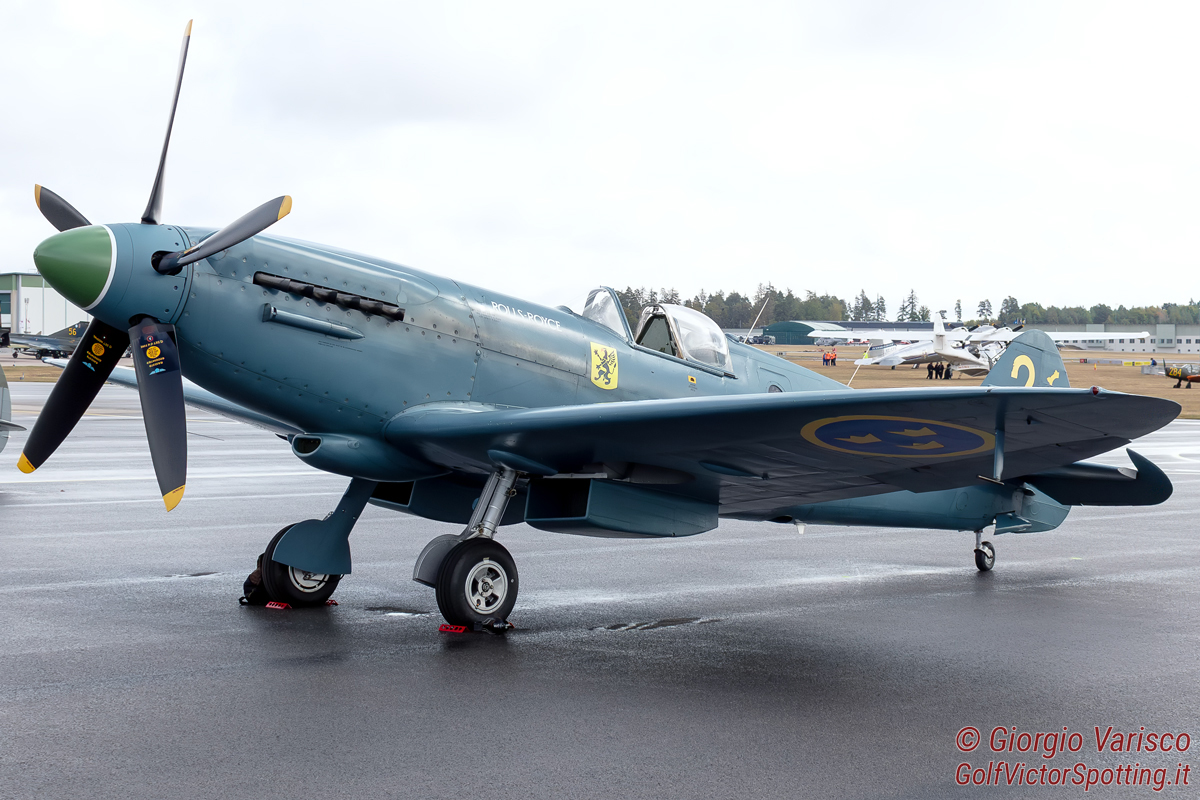
Solo display by a Spitfire PR Mk.19 (Swedish designation: S31), high-altitude reconnaissance late version equipped with a Rolls-Royce Griffon engine instead of the more famous Rolls-Royce Merlin of the earlier versions
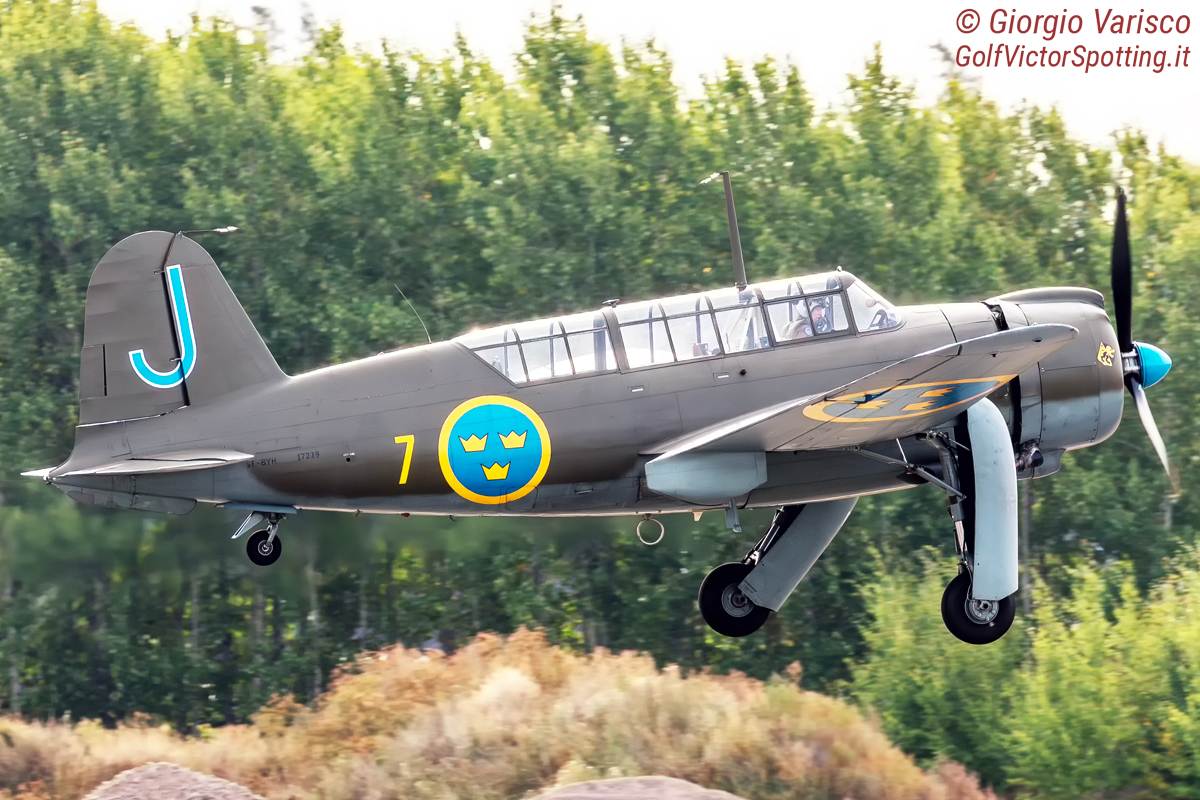
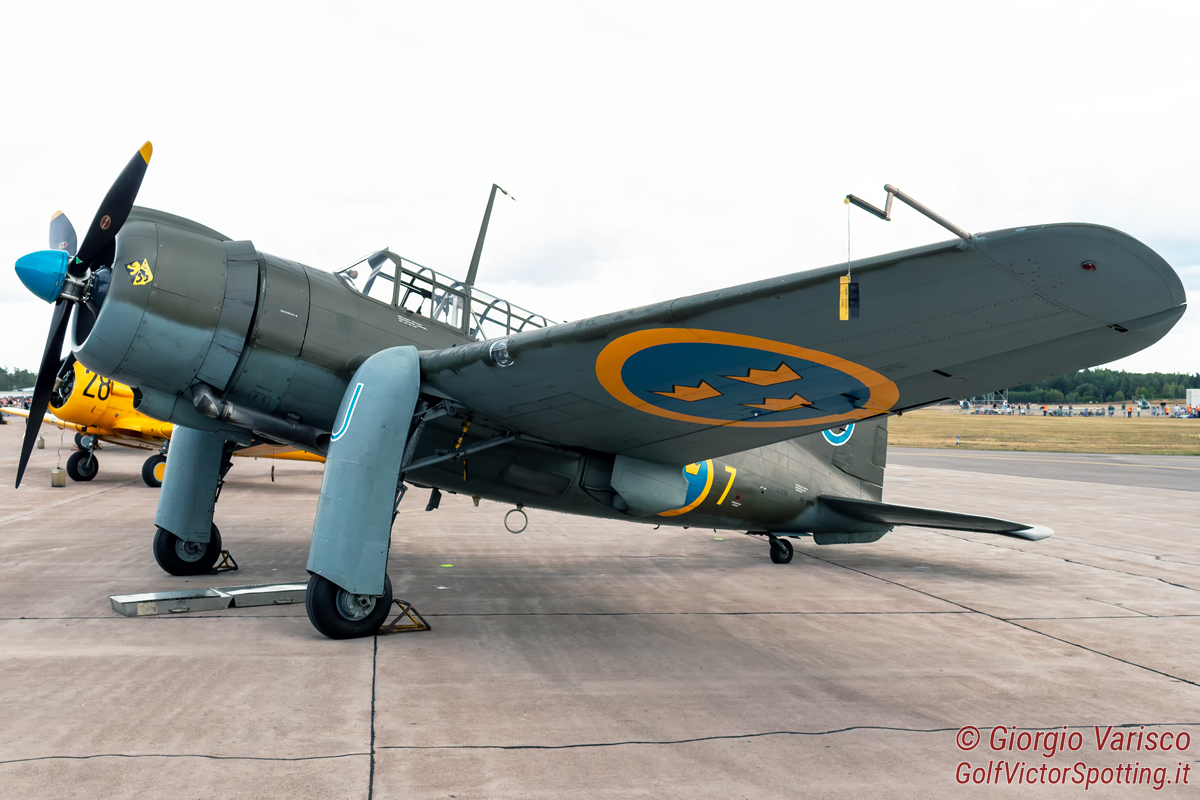
Solo display by the only airworthy SAAB B17, operated by Swedish Air Force Historic Flight. It is the first airplane built by then newly-founded SAAB, and first metal stressed-skin airplane manufactured in Sweden.
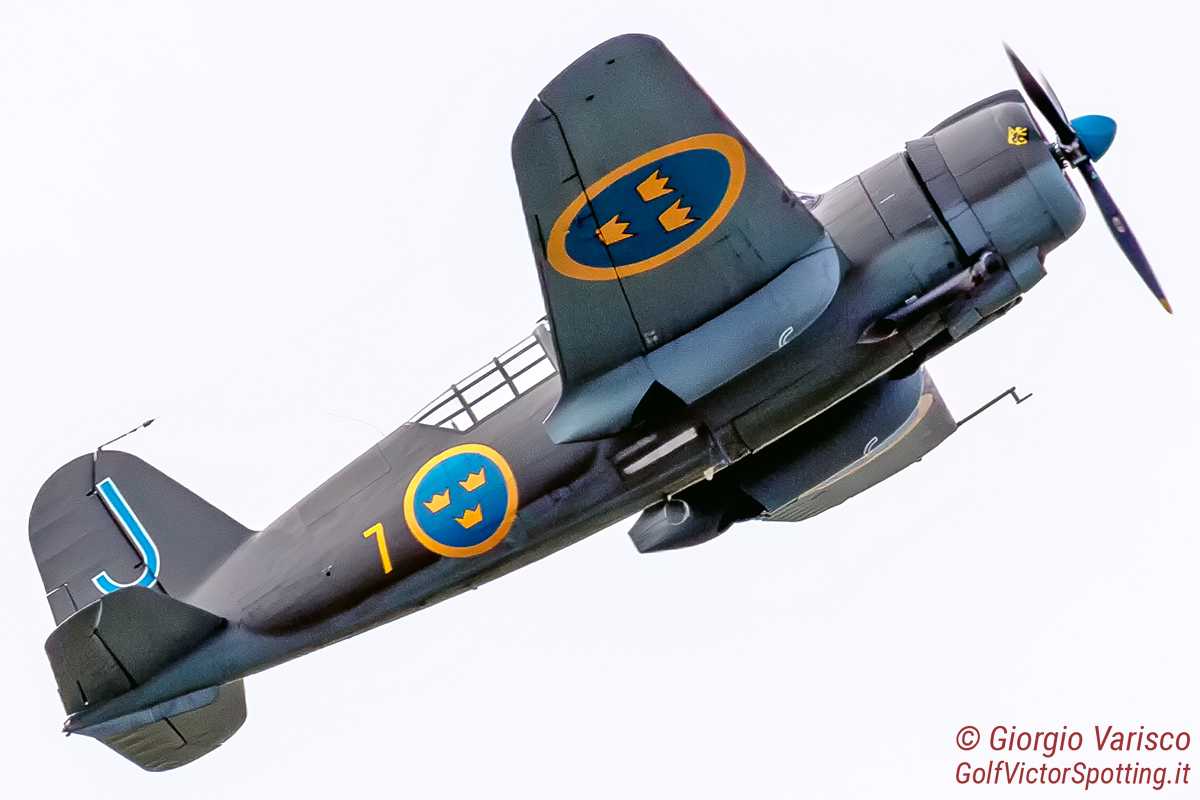
The conspicuous main gear fairings could be used as dive brakes
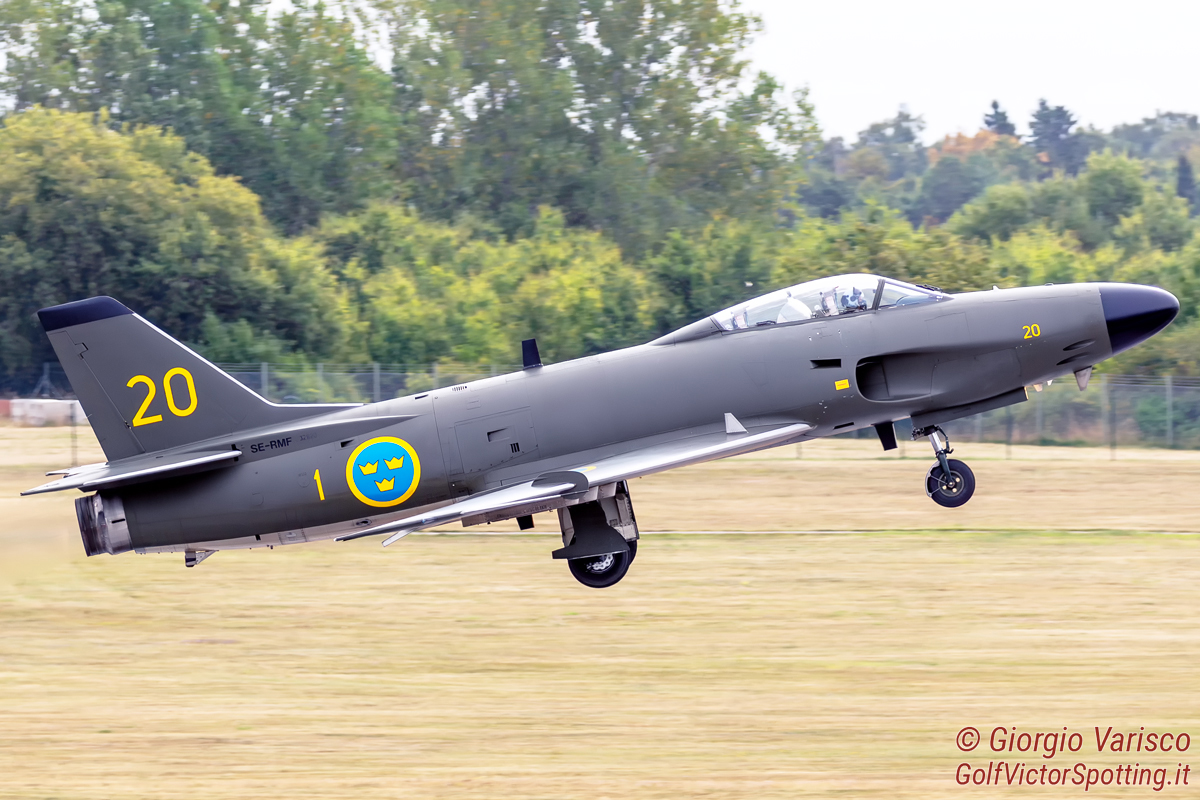
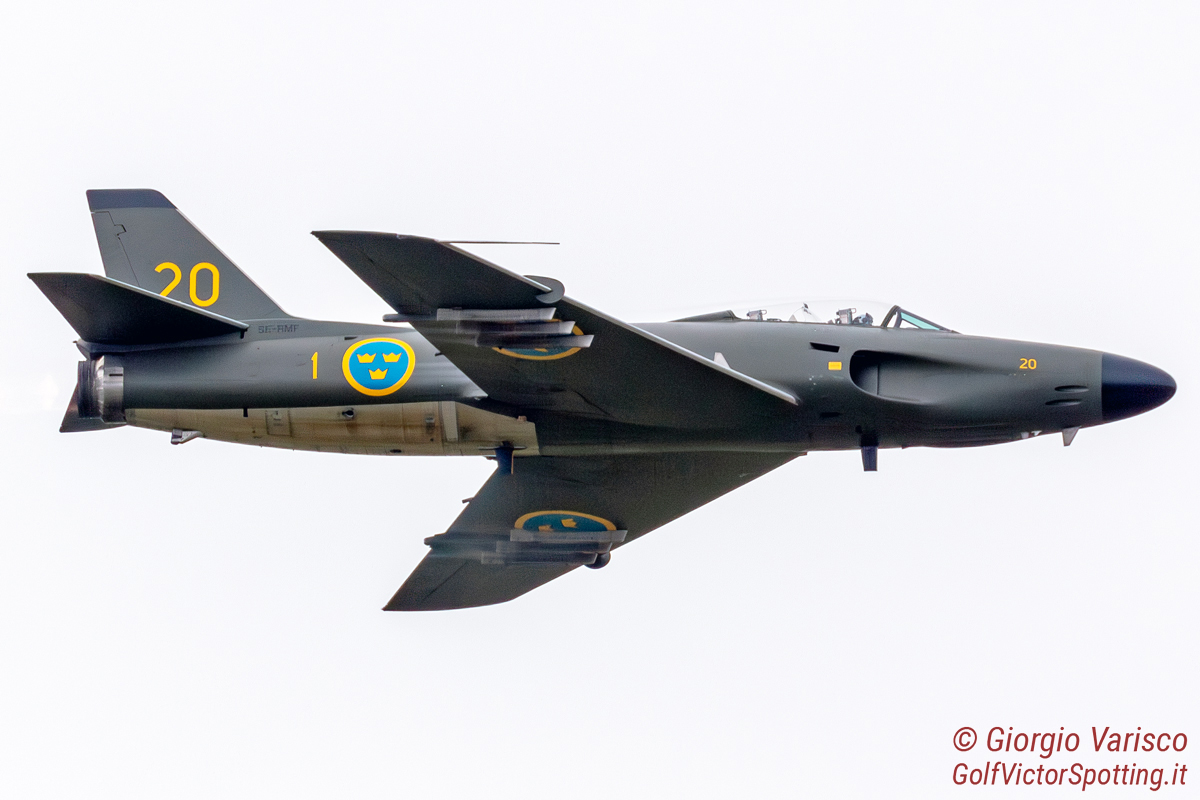
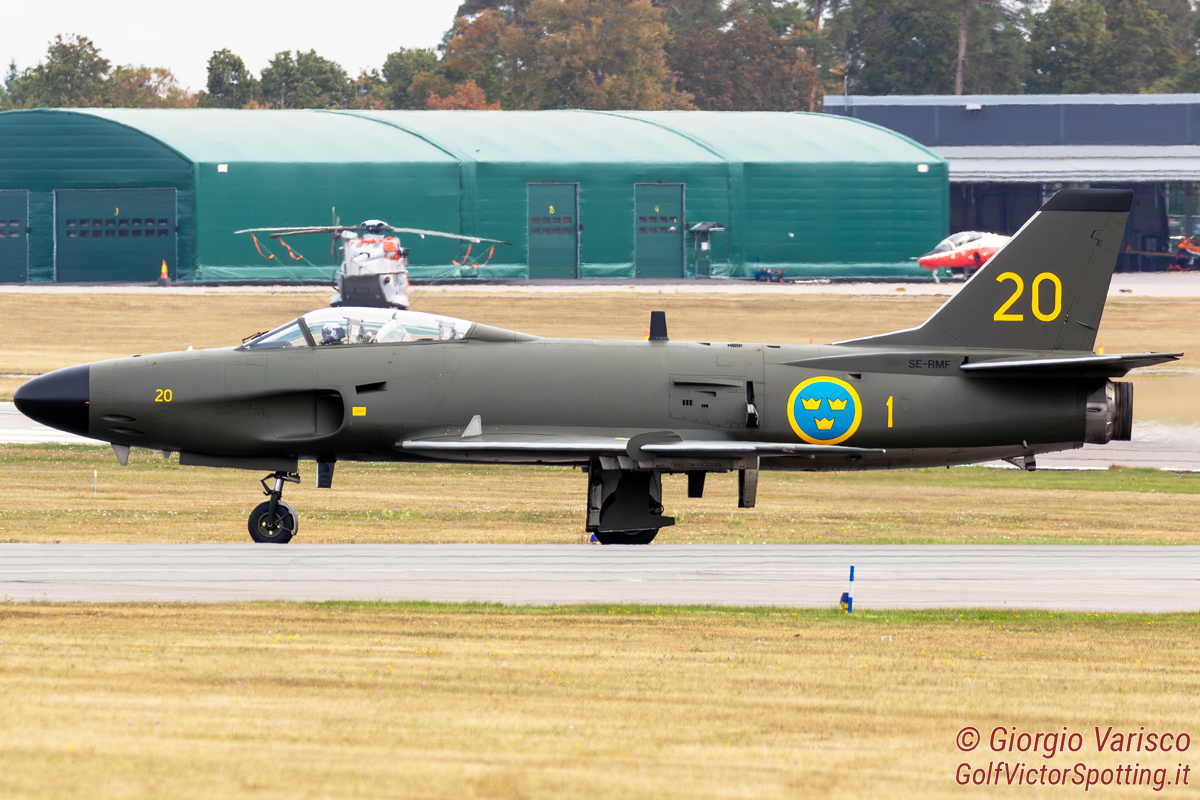
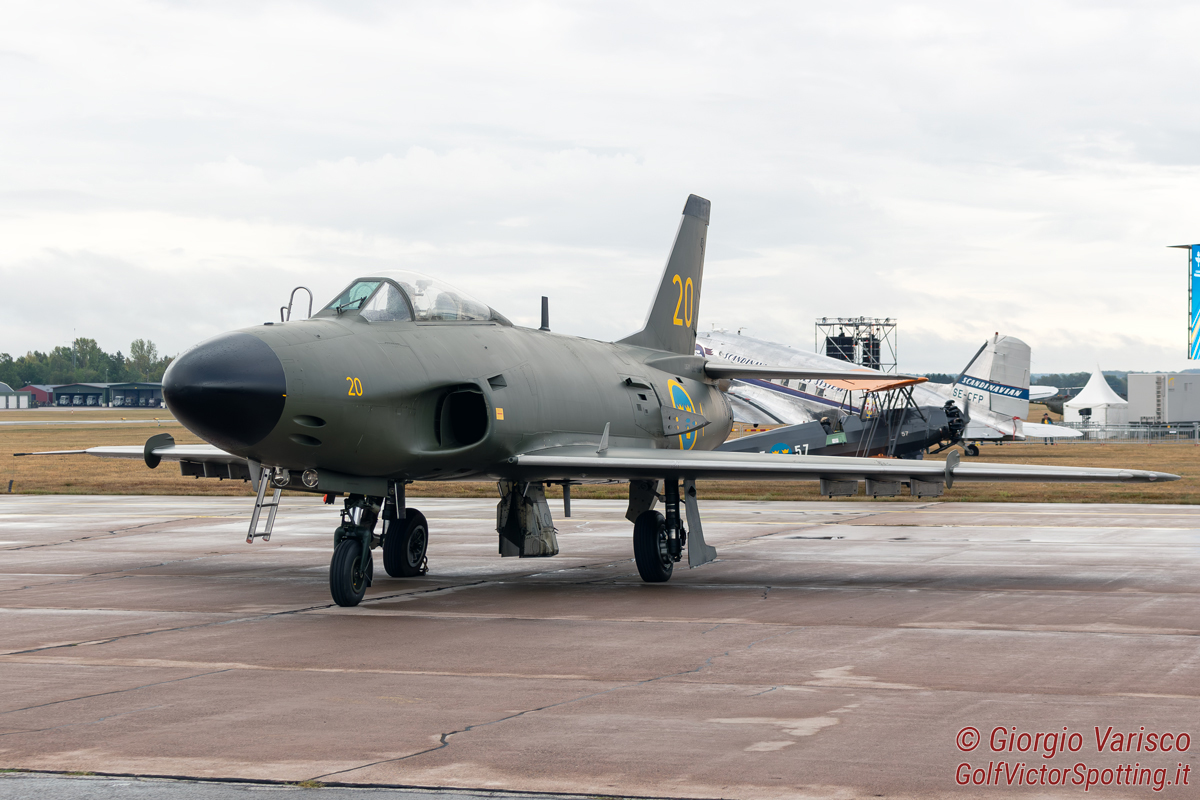
Solo display by the SAAB J32 Lansen attack plane operated by Swedish Air Force Historic Flight
Finnish Air Force display team Midnight Hawks flying British Aerospace Hawk 51
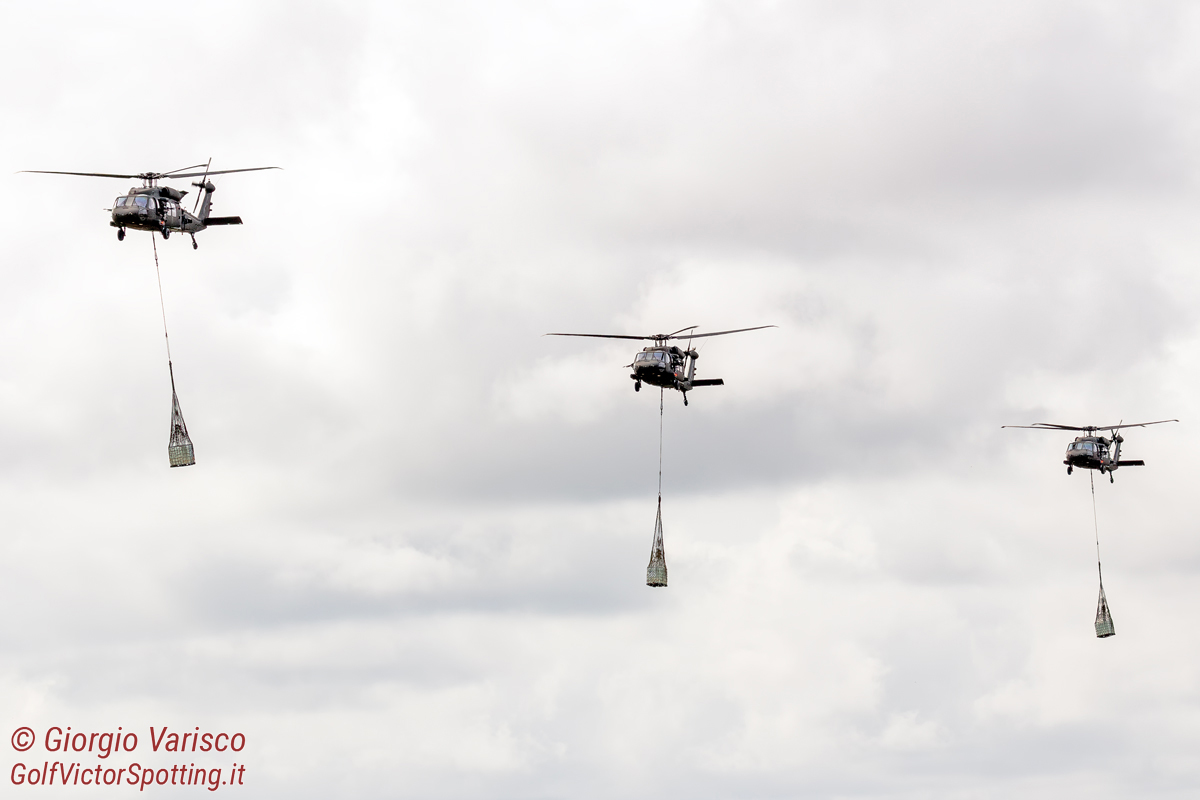
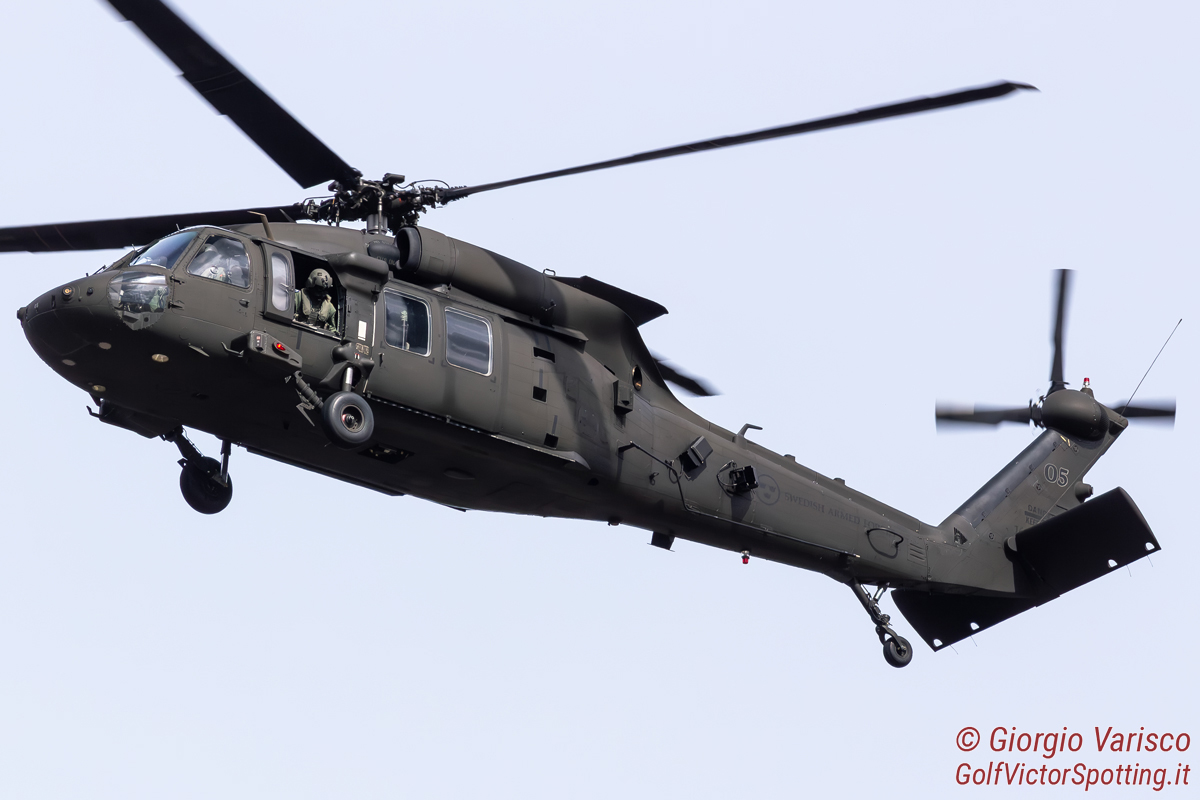
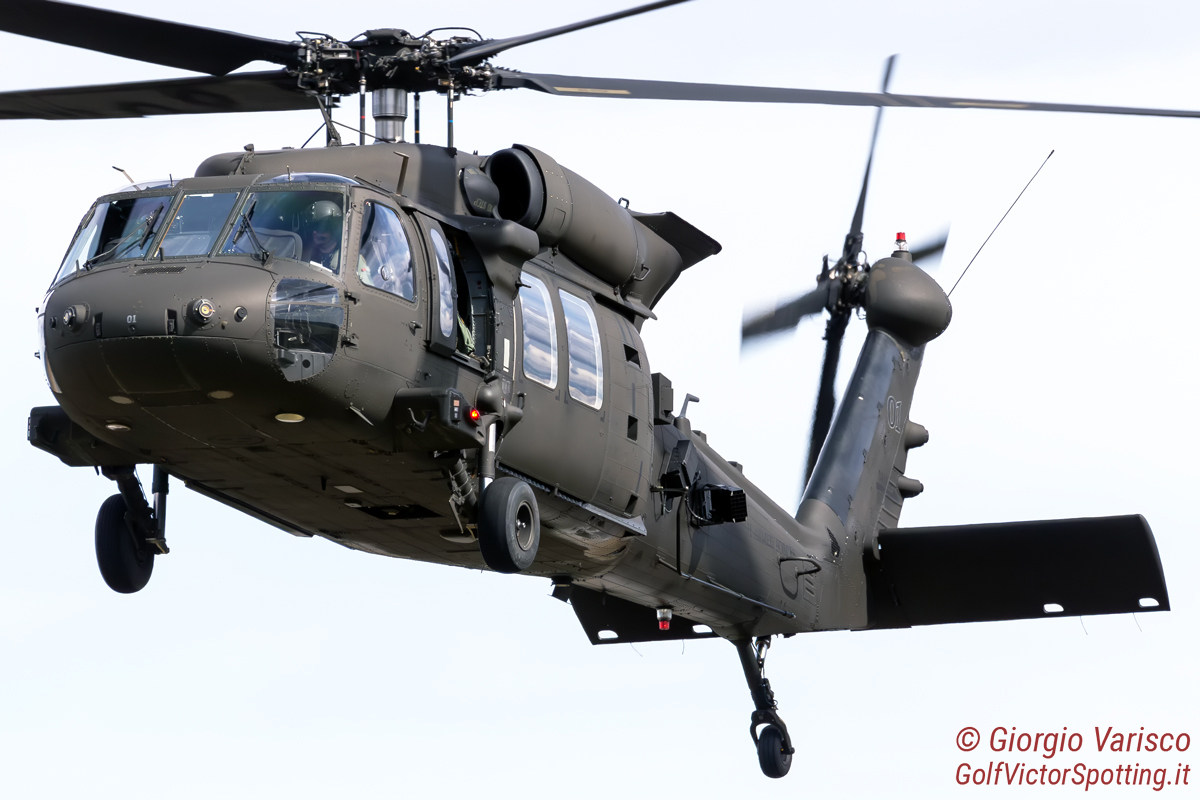
Baricentric load demo by 3 Sikorsky UH-60M Black Hawk (Swedish designation: Hkp16)
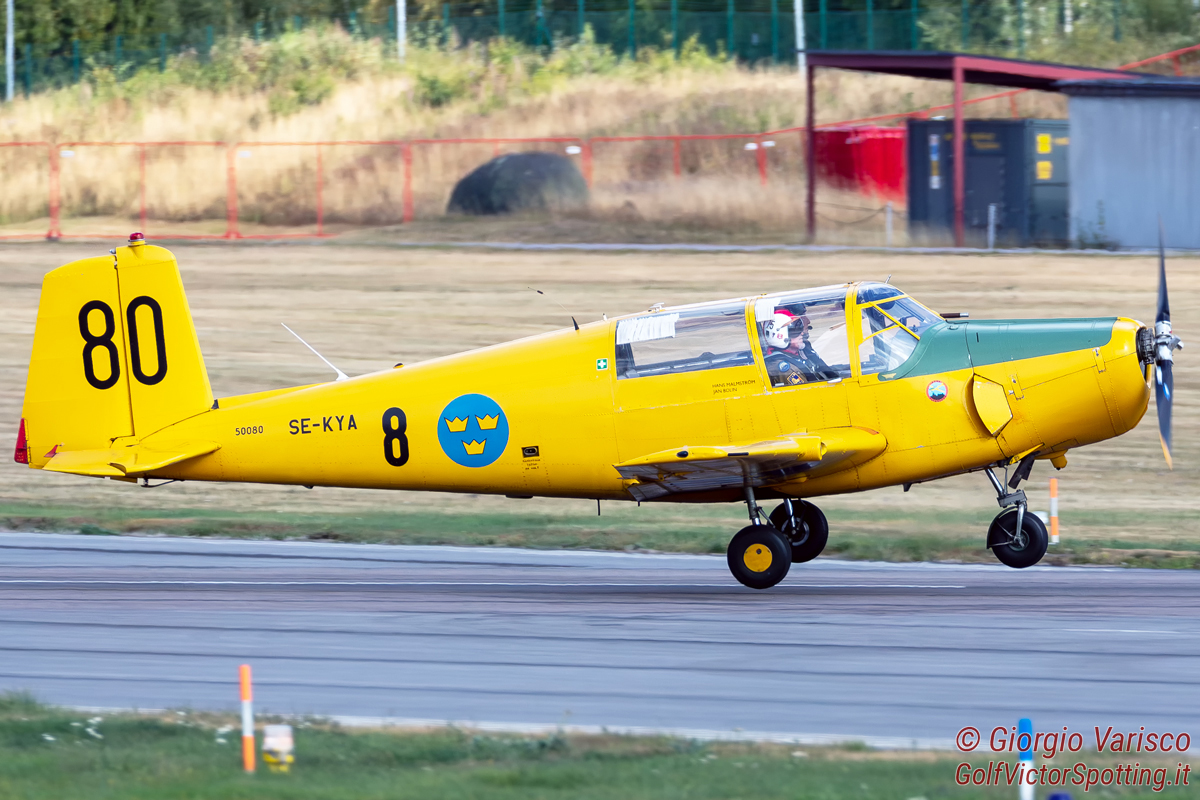
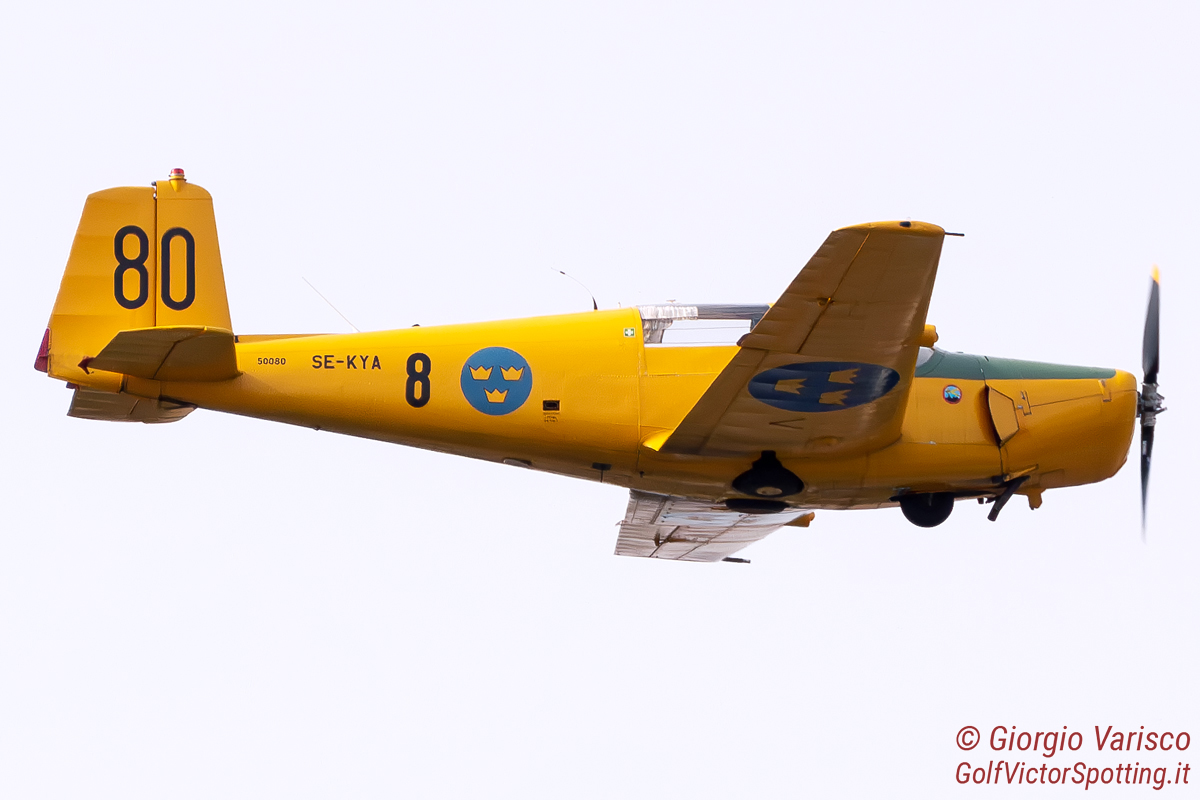
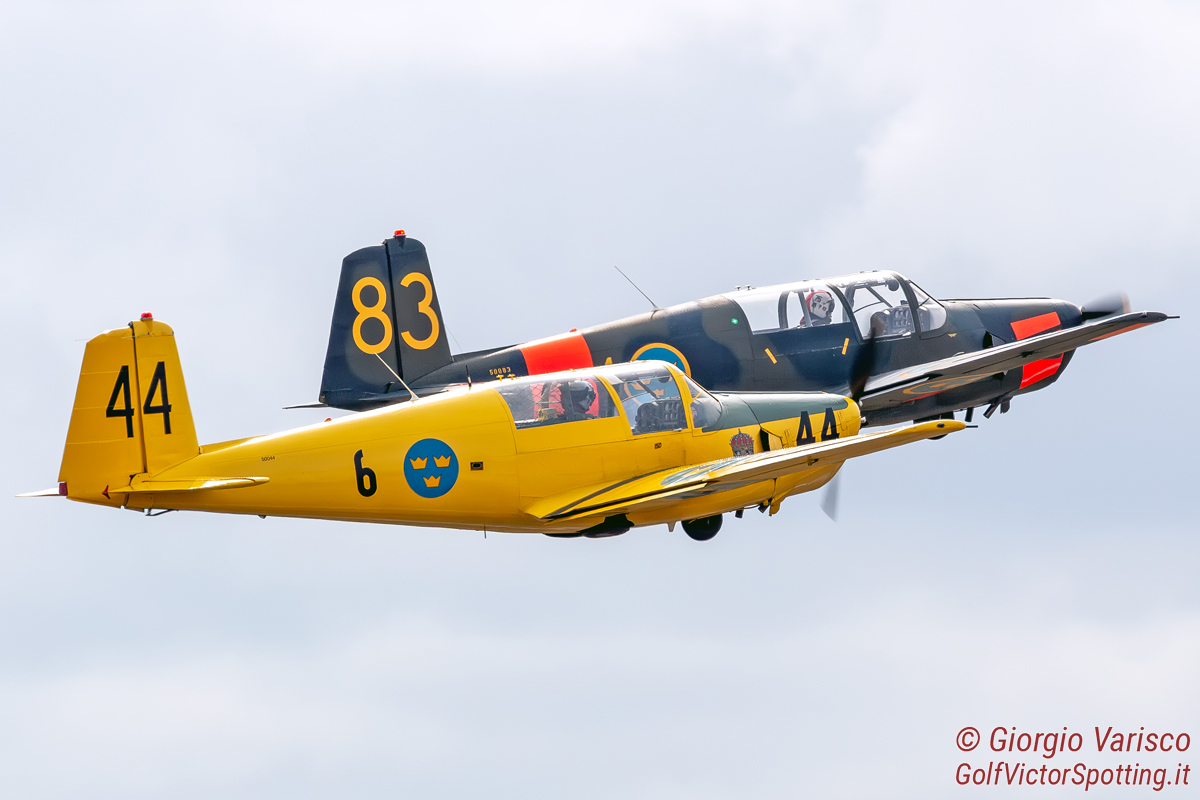
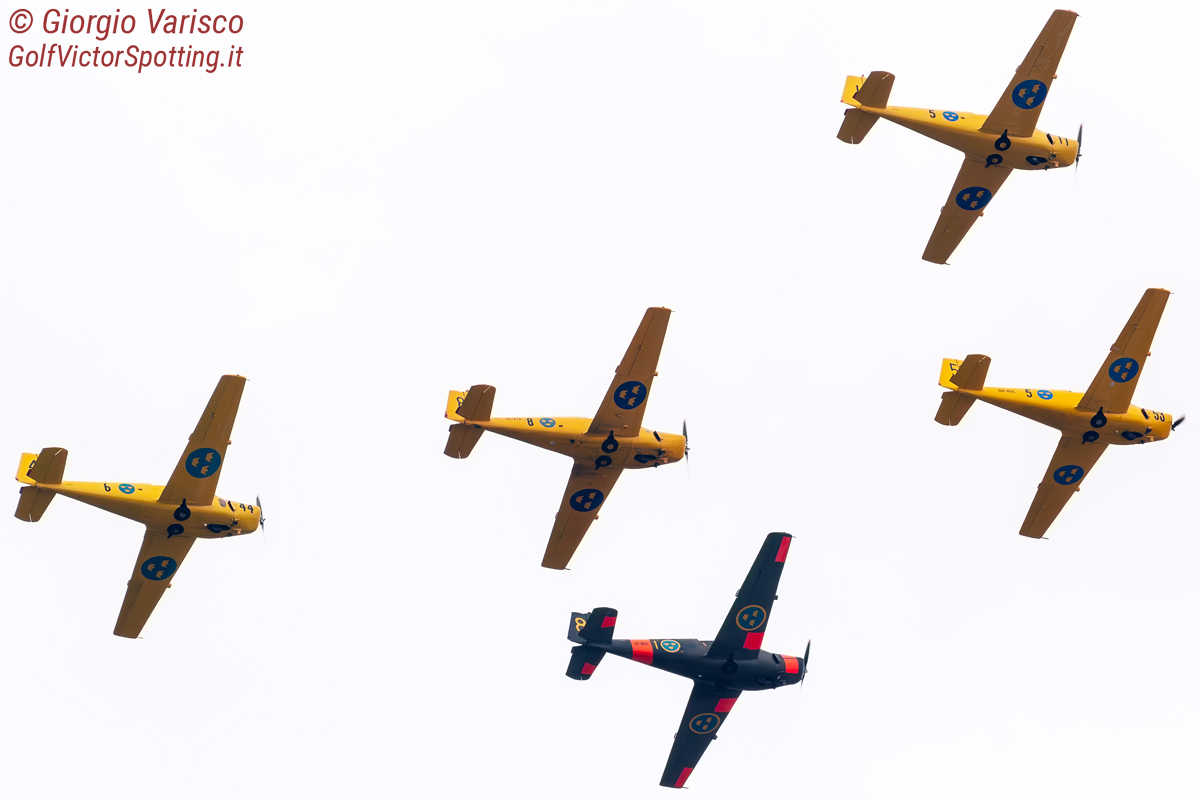
Formation with SAAB 91 Safir trainers (Swedish designation: Sk50) operated by Swedish Air Force Historic Flight
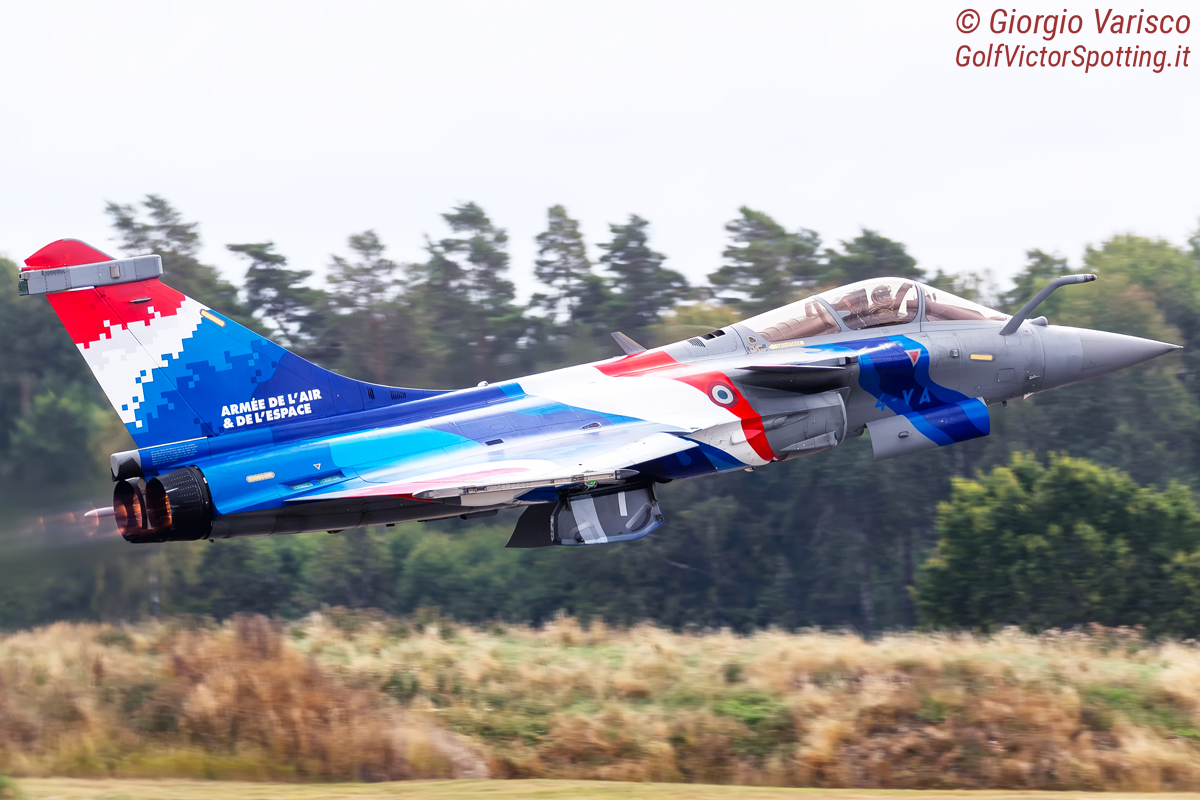
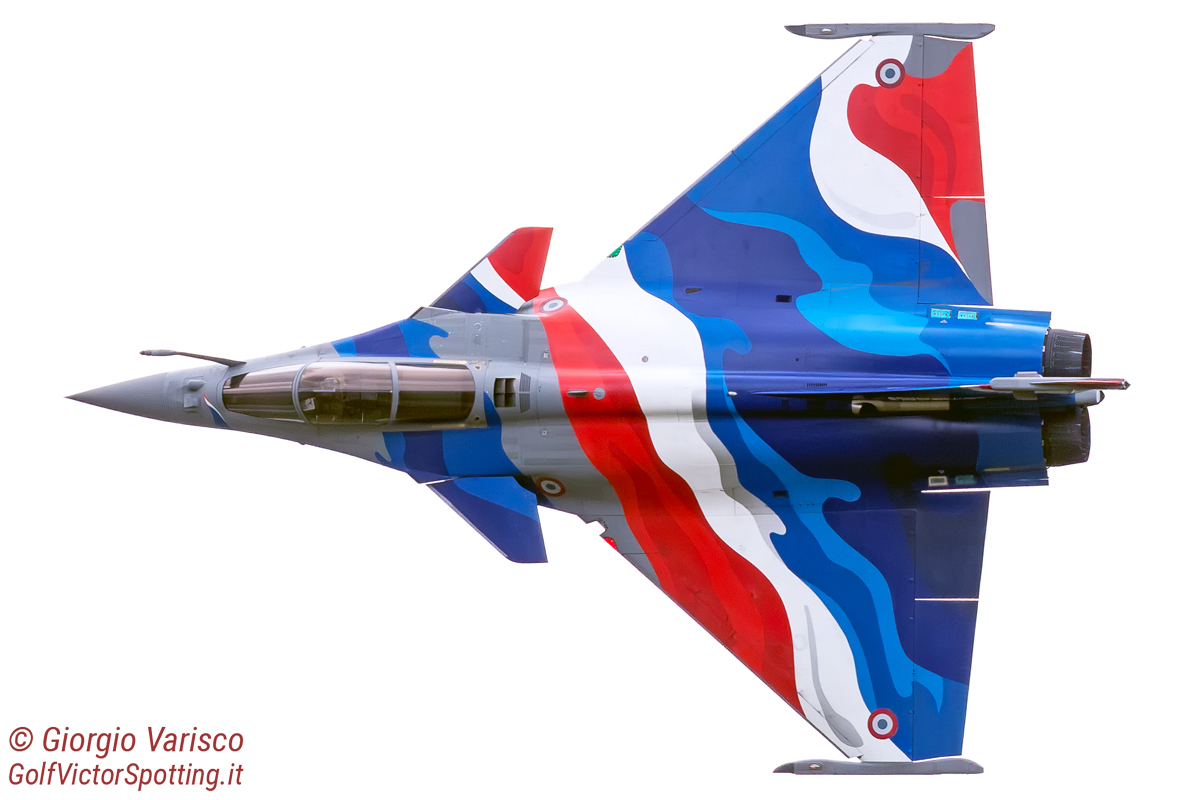
Armée de l’Air et de l’Espace Dassault Rafale Solo Display
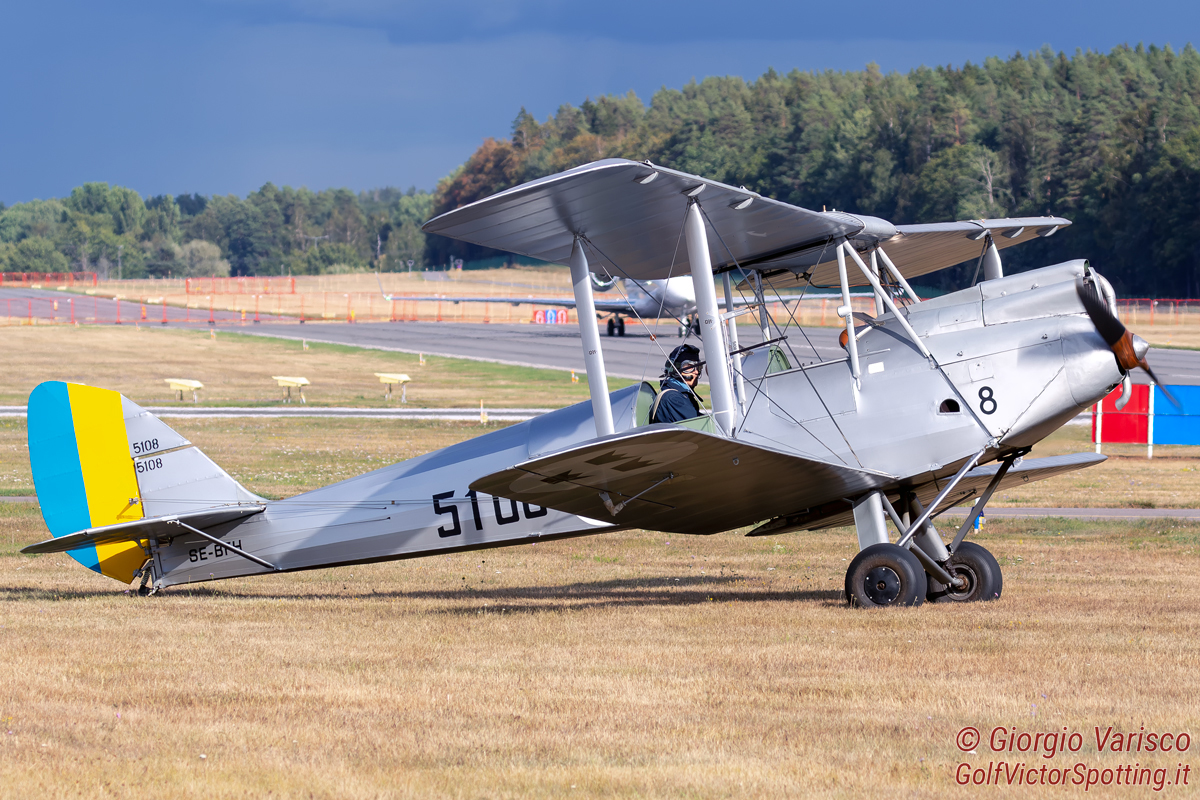
Training biplanes: de Havilland DH.82 Tiger Moth (Swedish designation: Sk11)
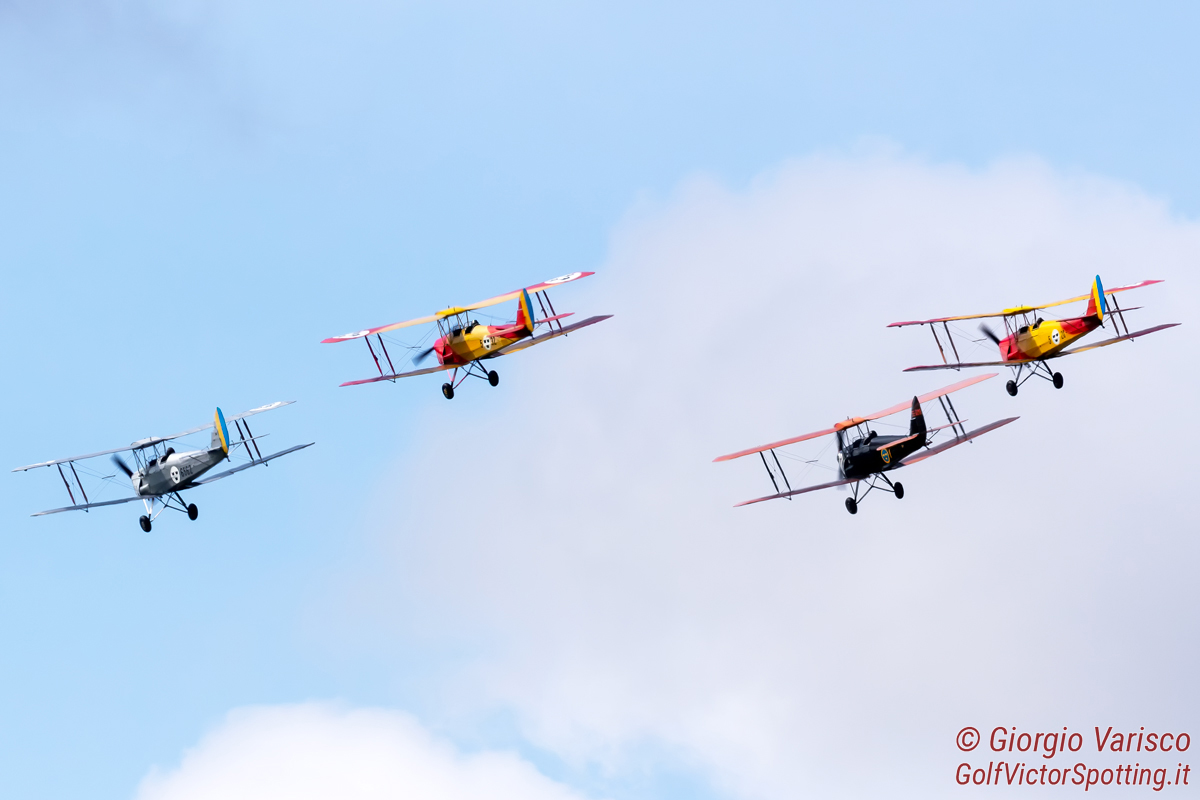
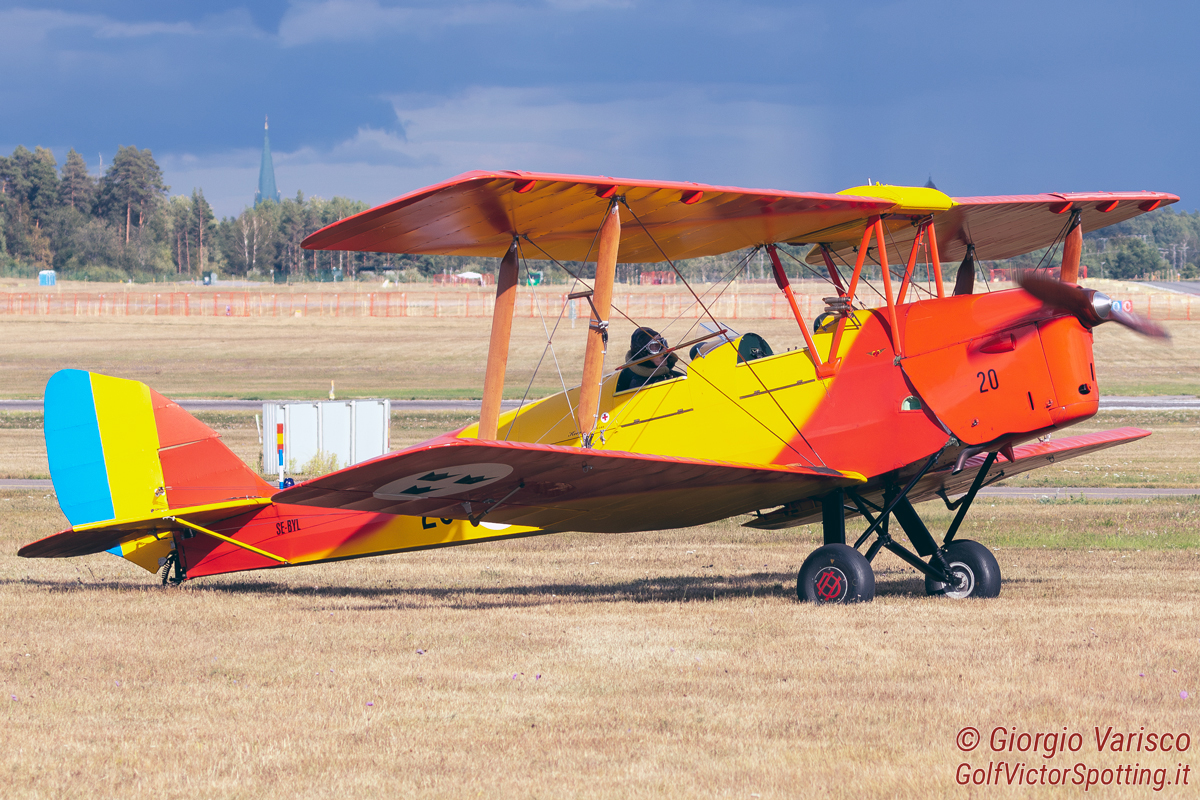
Focke-Wulf Fw 44 Stieglitz (Swedish designation: Sk12)
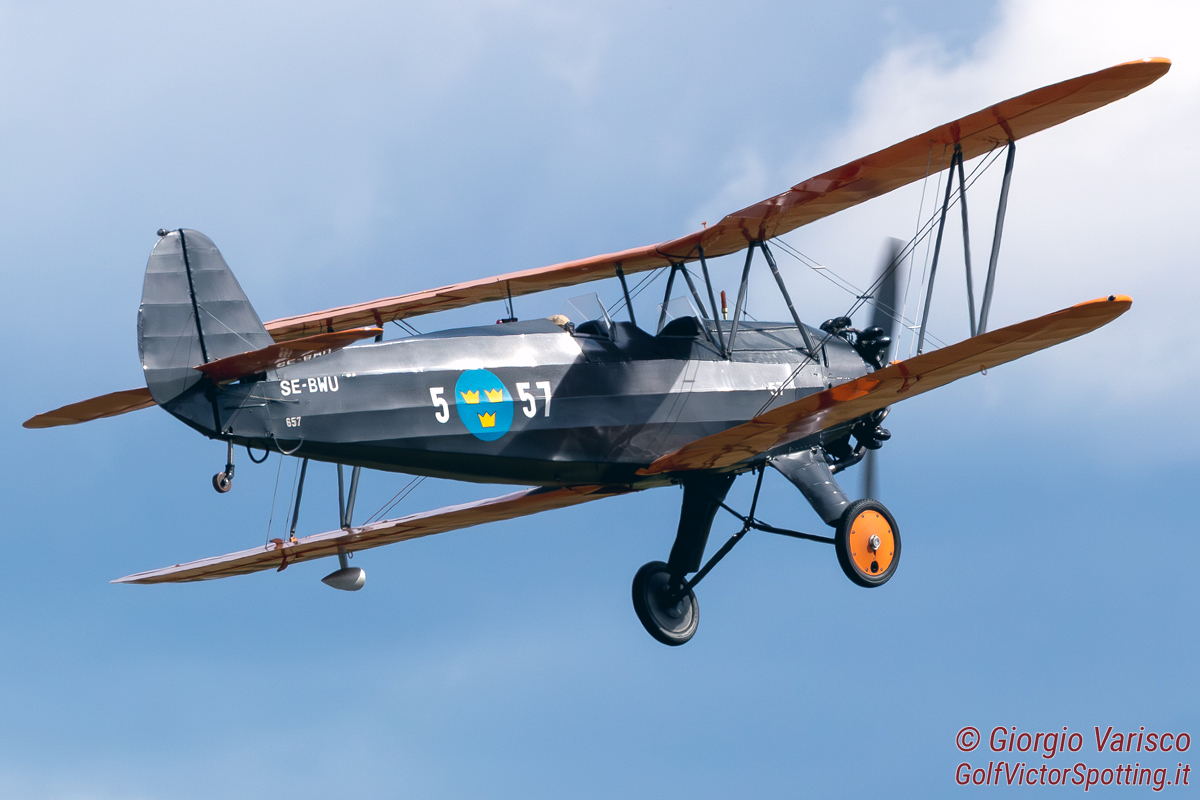
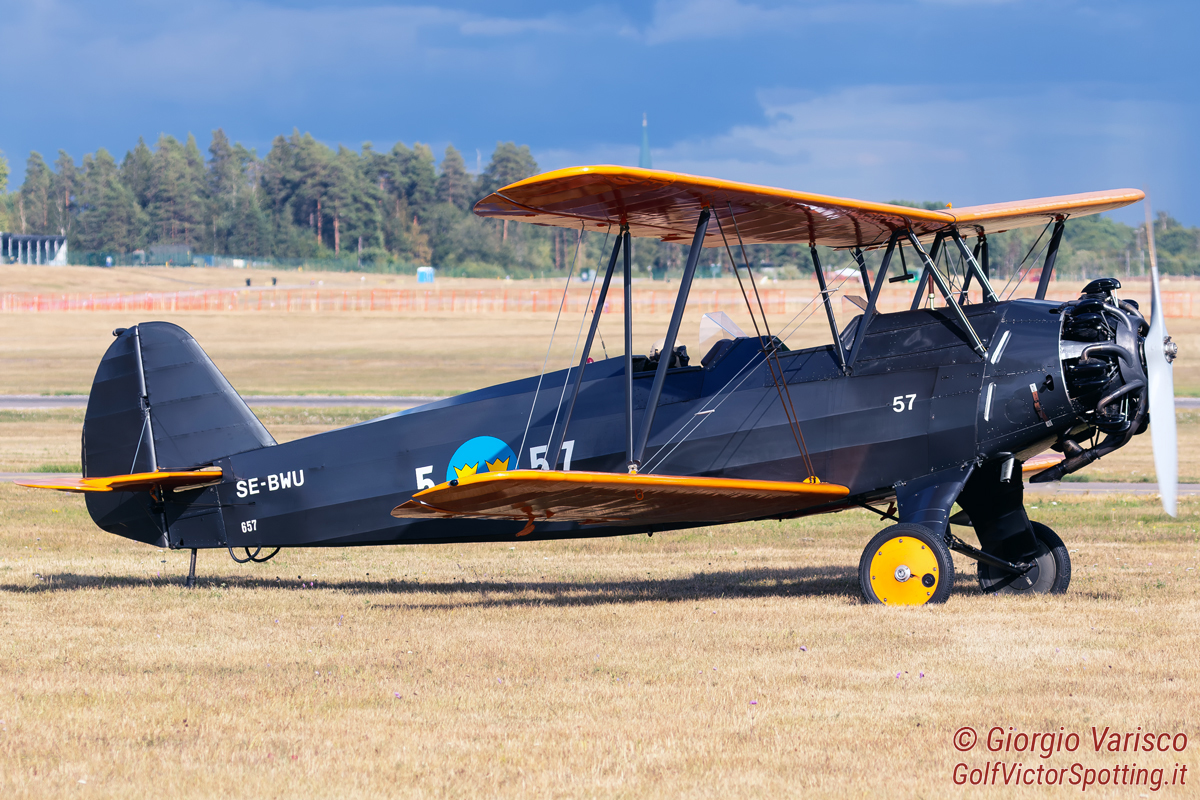
de Havilland DH.60 Moth (Swedish designation: Sk7 ed Sk9)
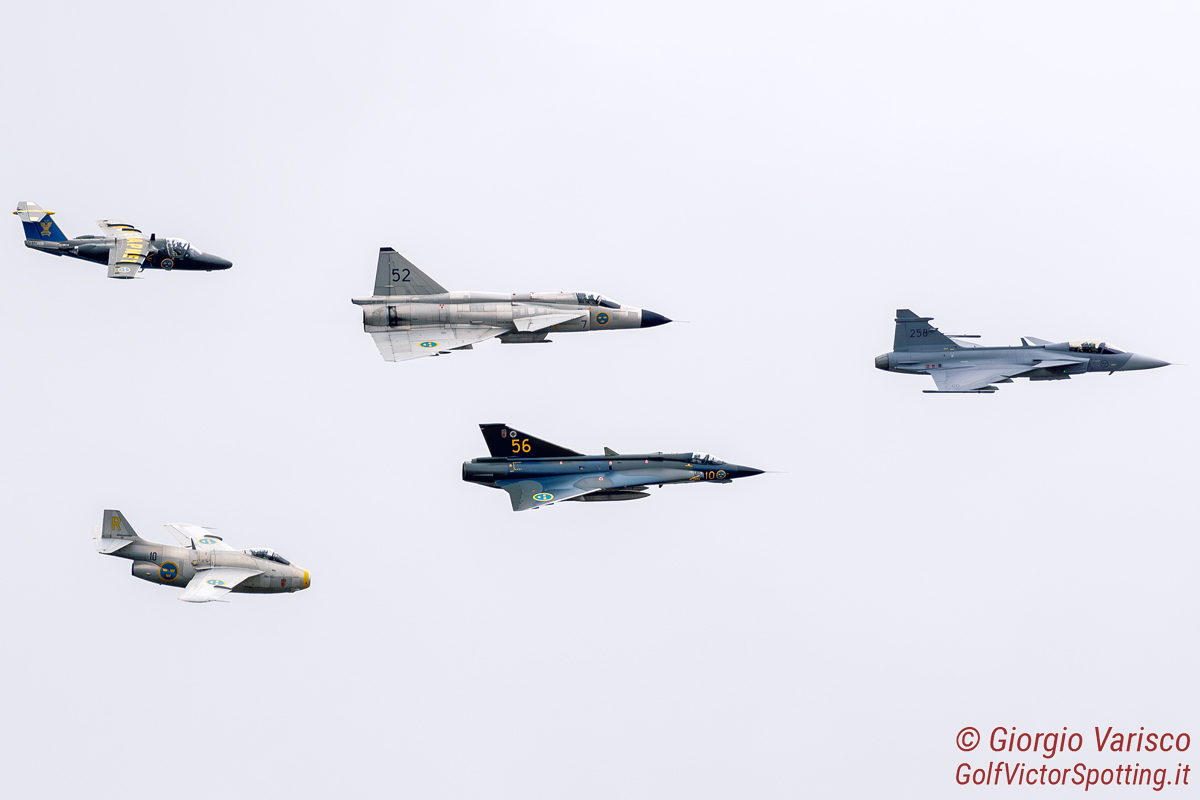
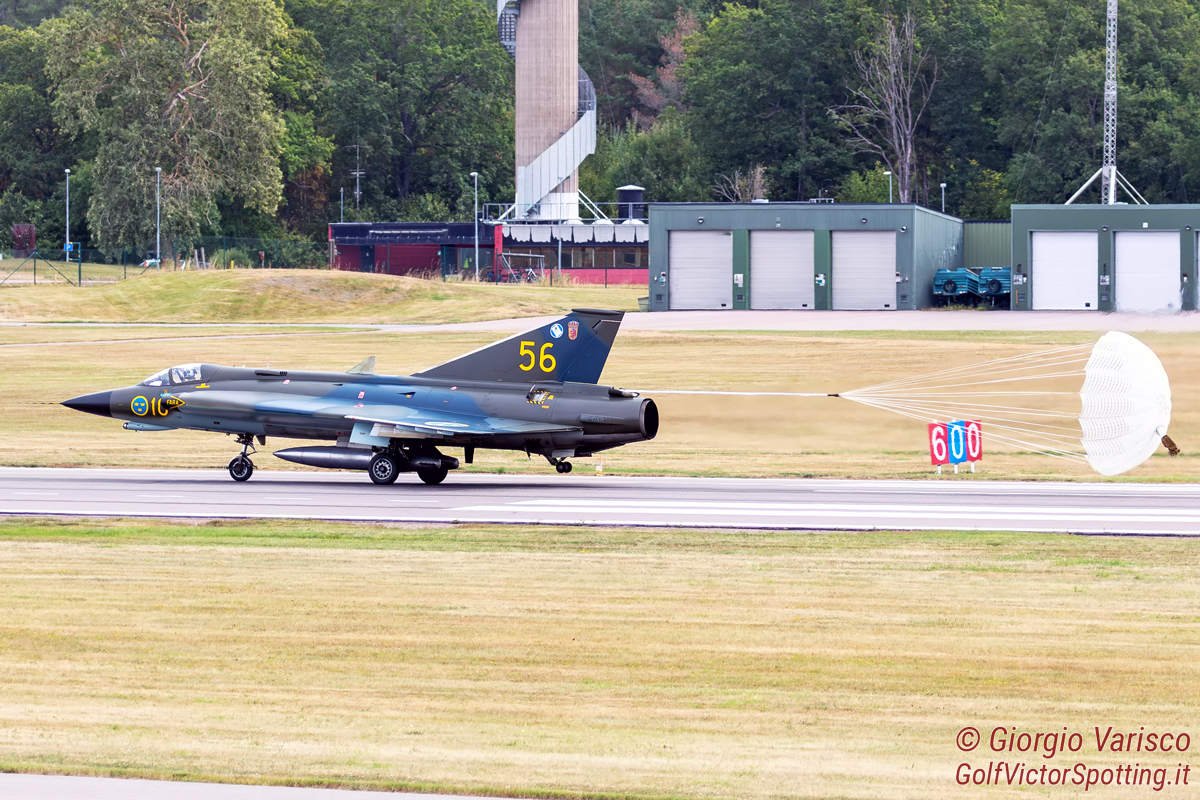
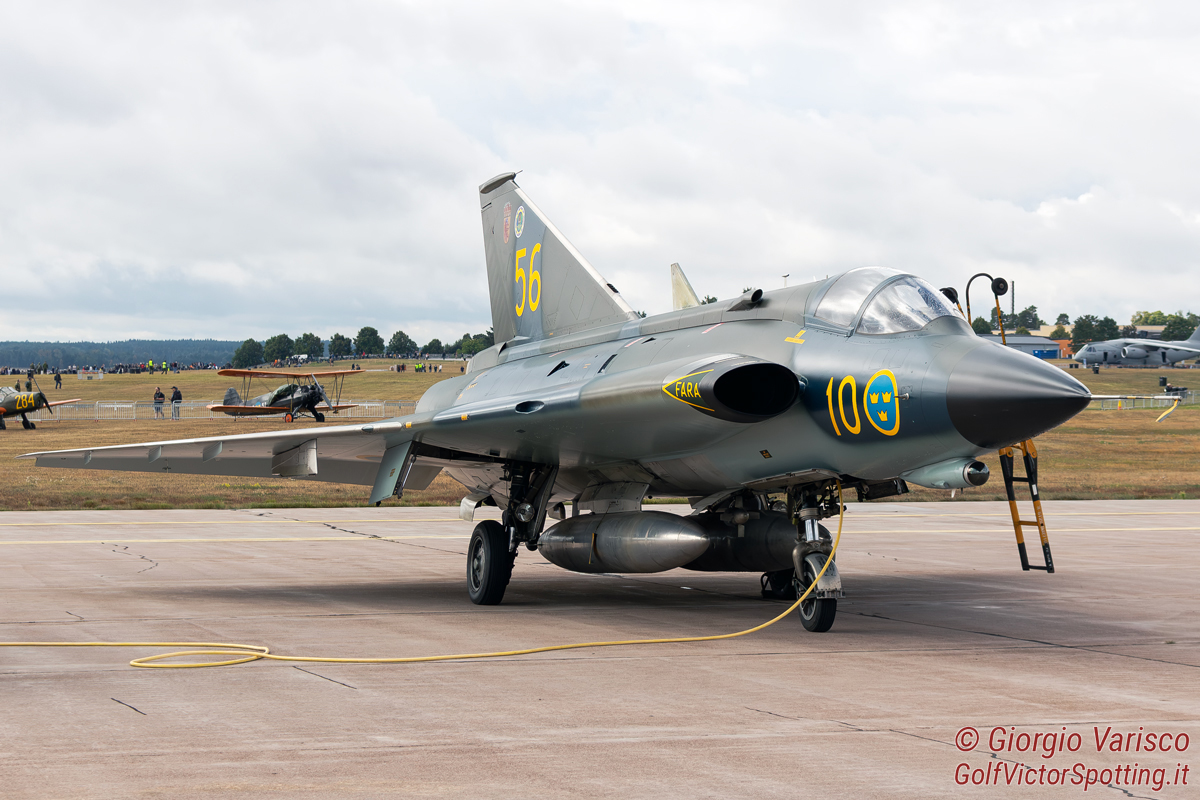
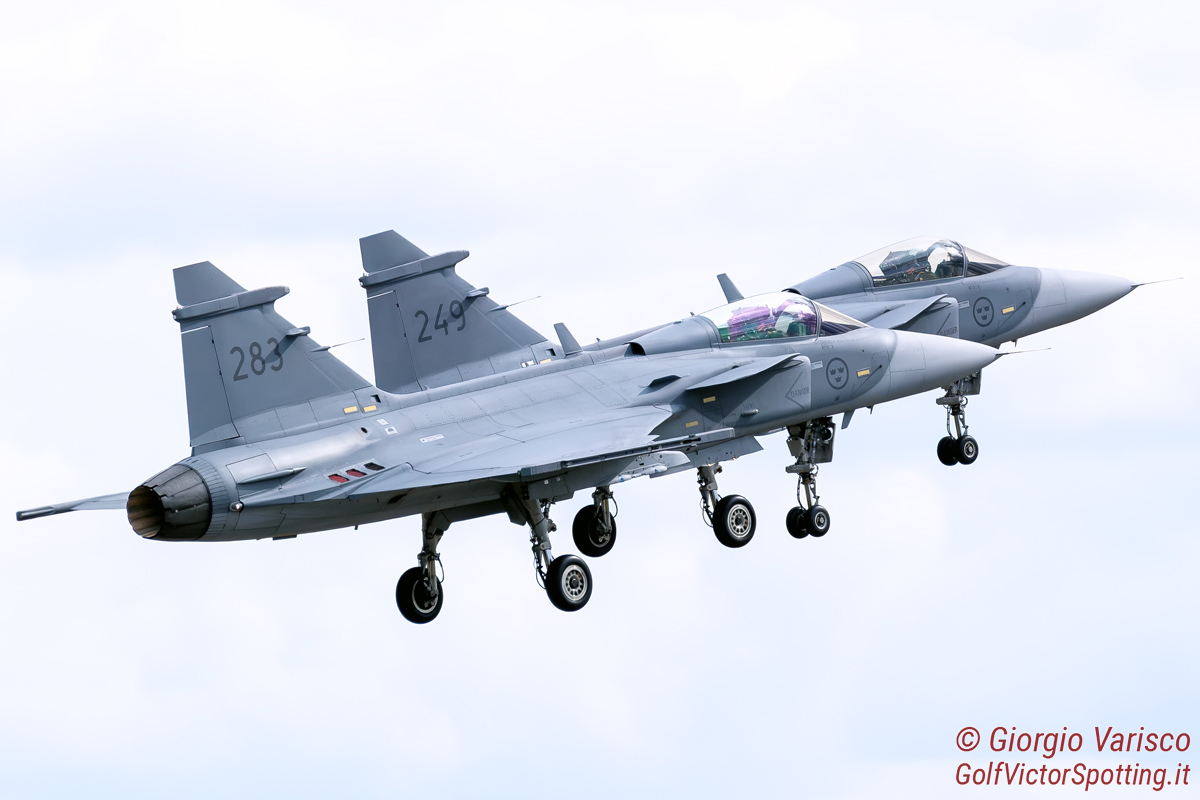
SAAB formation, with a JAS39 Gripen currently serving in the Flygvapnet and historical jets operated by Swedish Air Force Historic Flight: AJS37 Viggen, J35 Draken, J29 Tunnan and Sk60 (with the J32 Lansen joining them on Sunday)
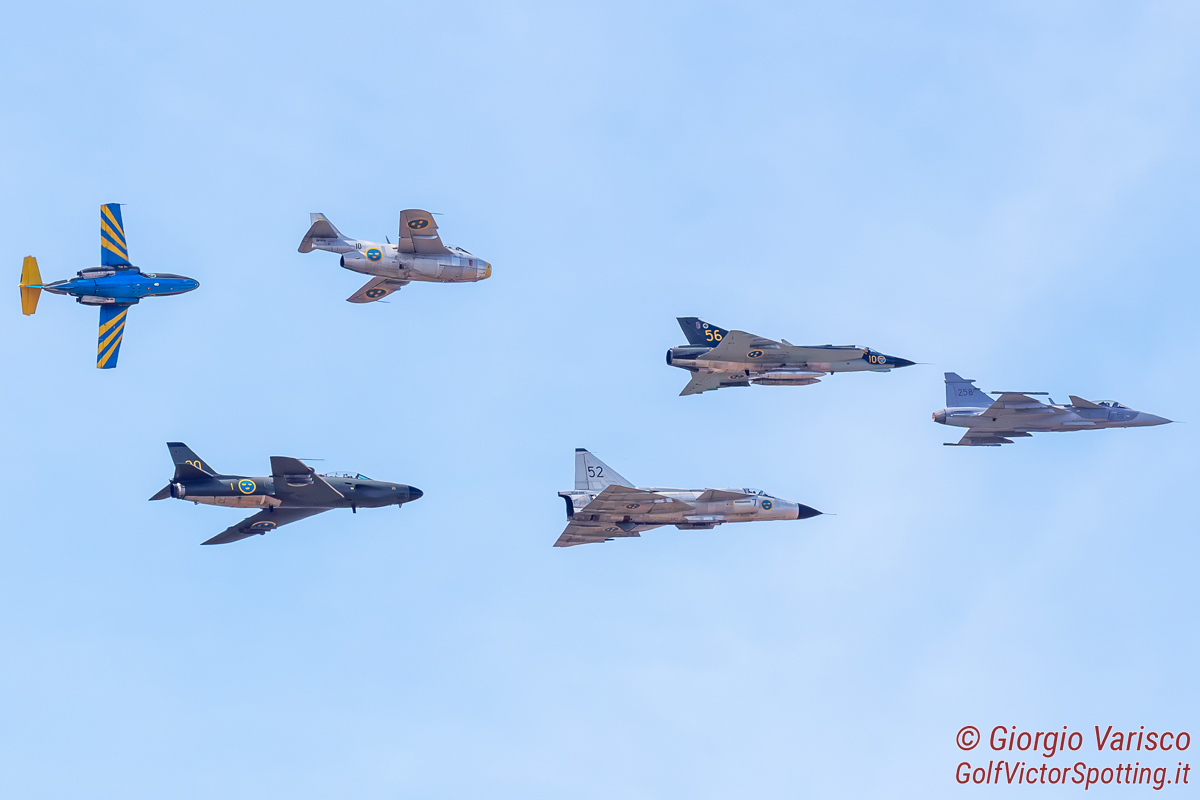
The Draken should have performed a solo display too. Unfortunately, the pilot rated for aerobatic displays on it was badly injured in a non-aviation related accident, and the replacement pilot hadn’t flown a Draken since the plane’s retirement (in 1999!) and did not think he would be able to perform an aerobatic display.
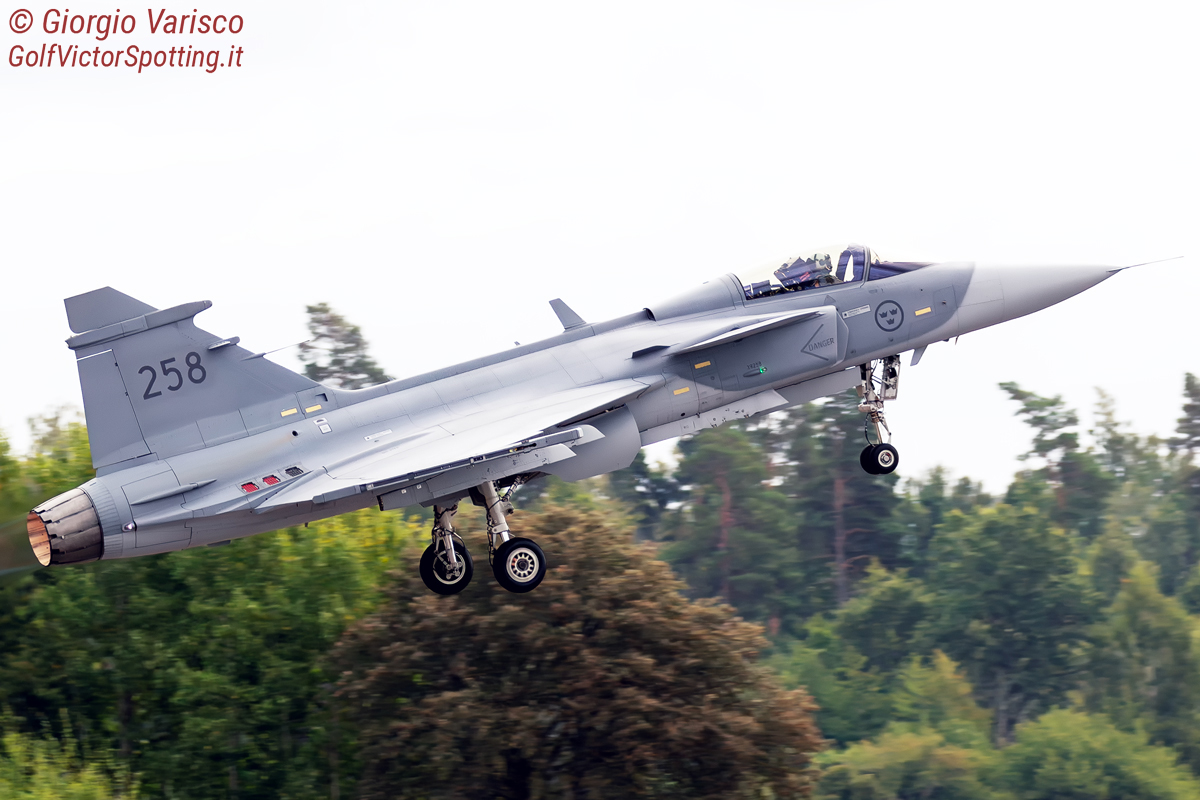
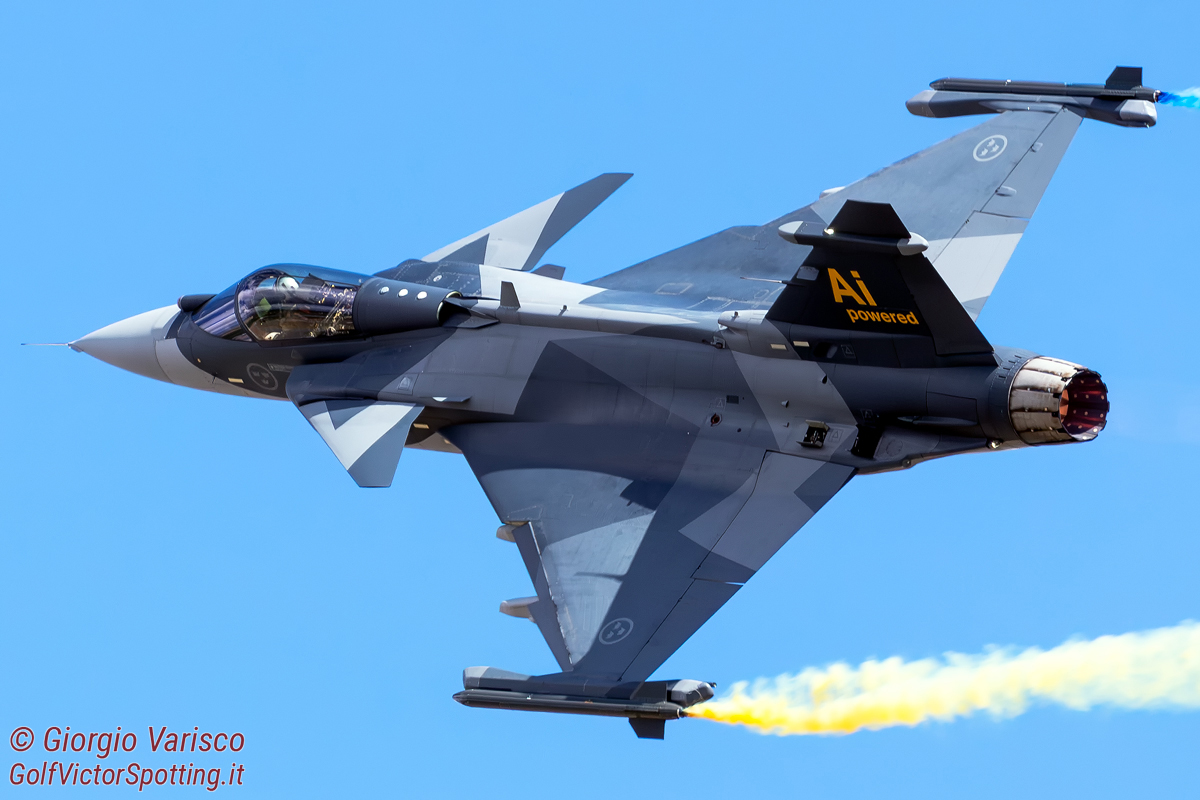
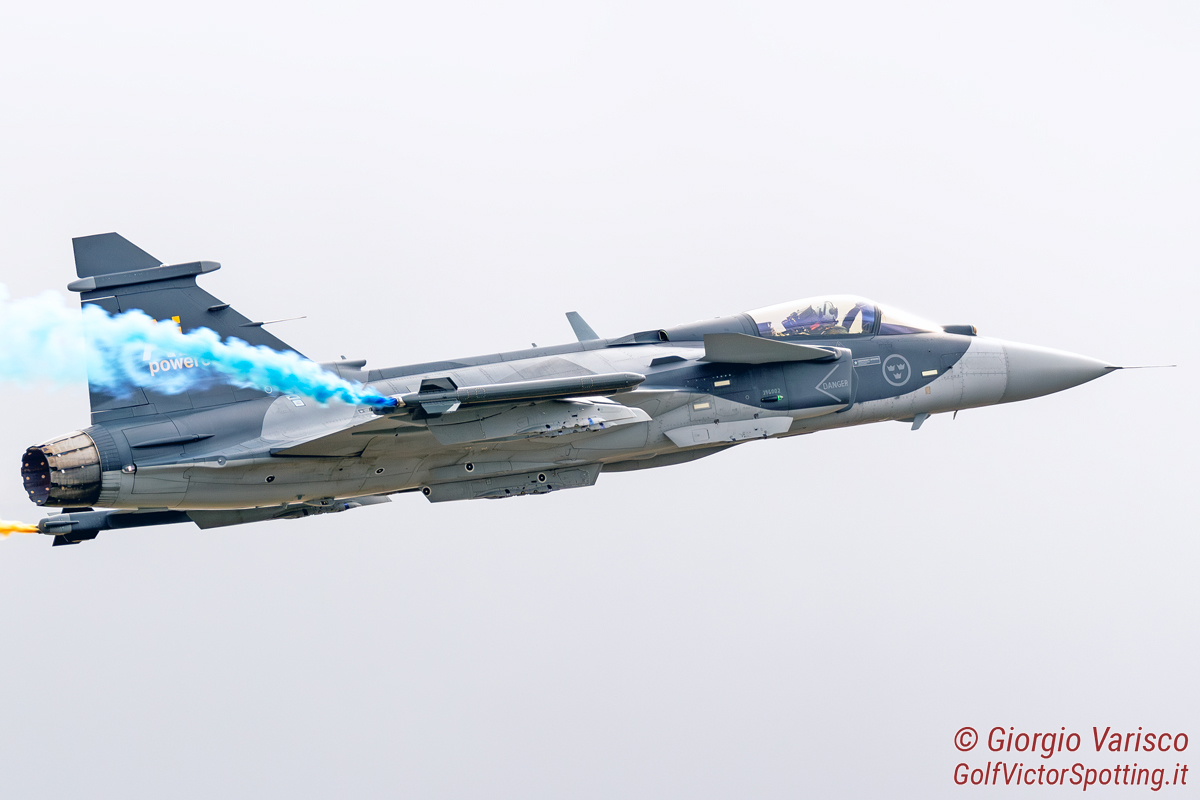
Solo display by a JAS39E Gripen, the most recent version of the Swedish fighter, with smokewinders releasing the national colours
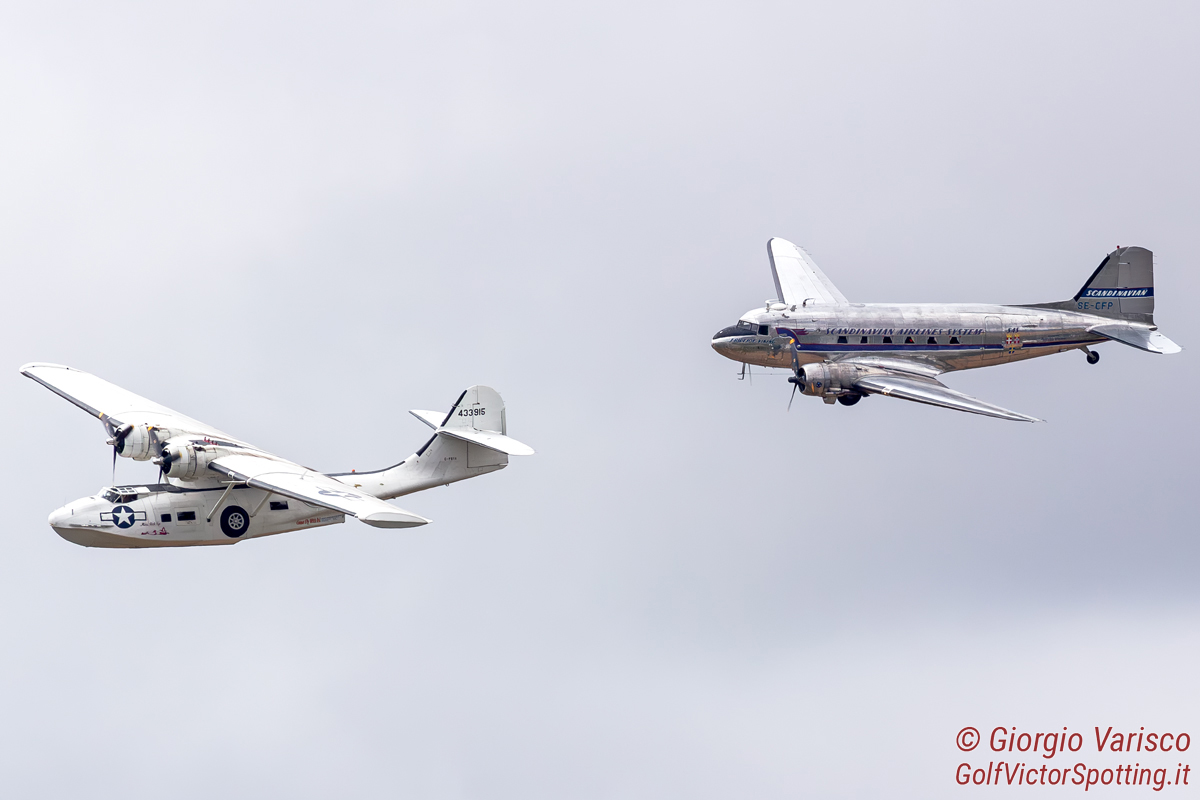
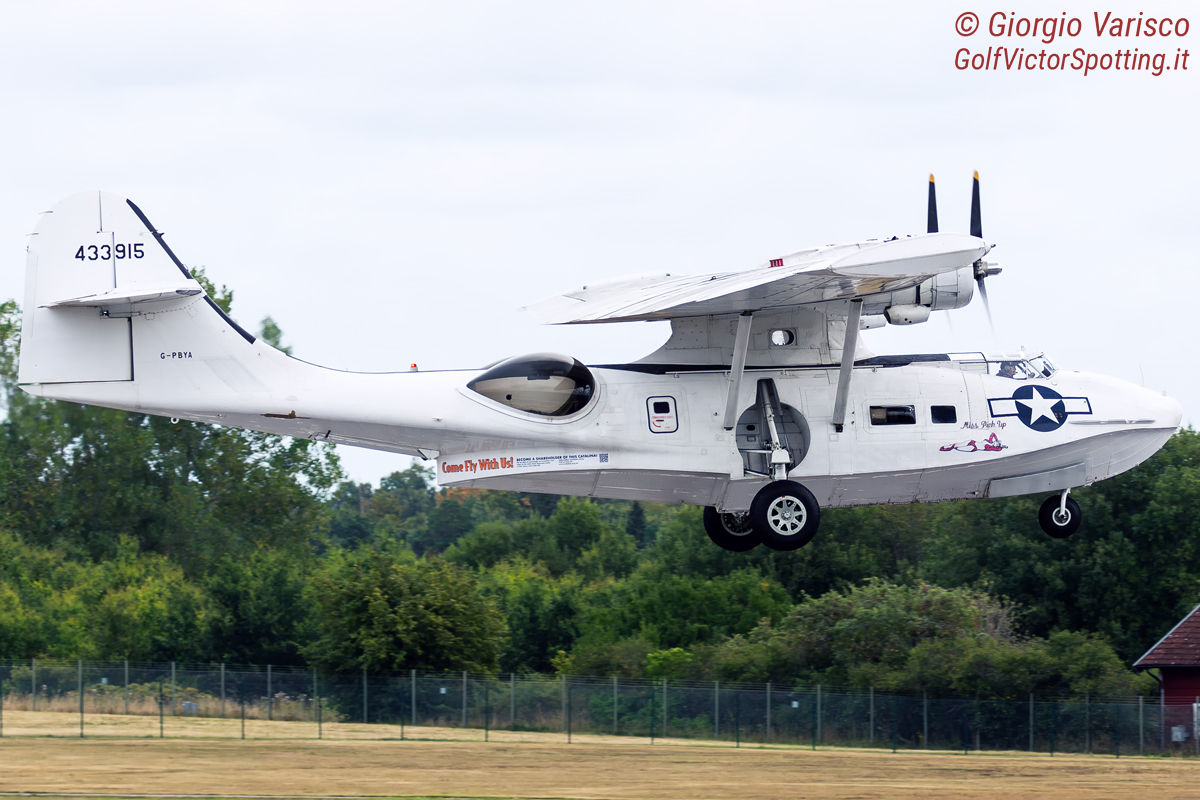
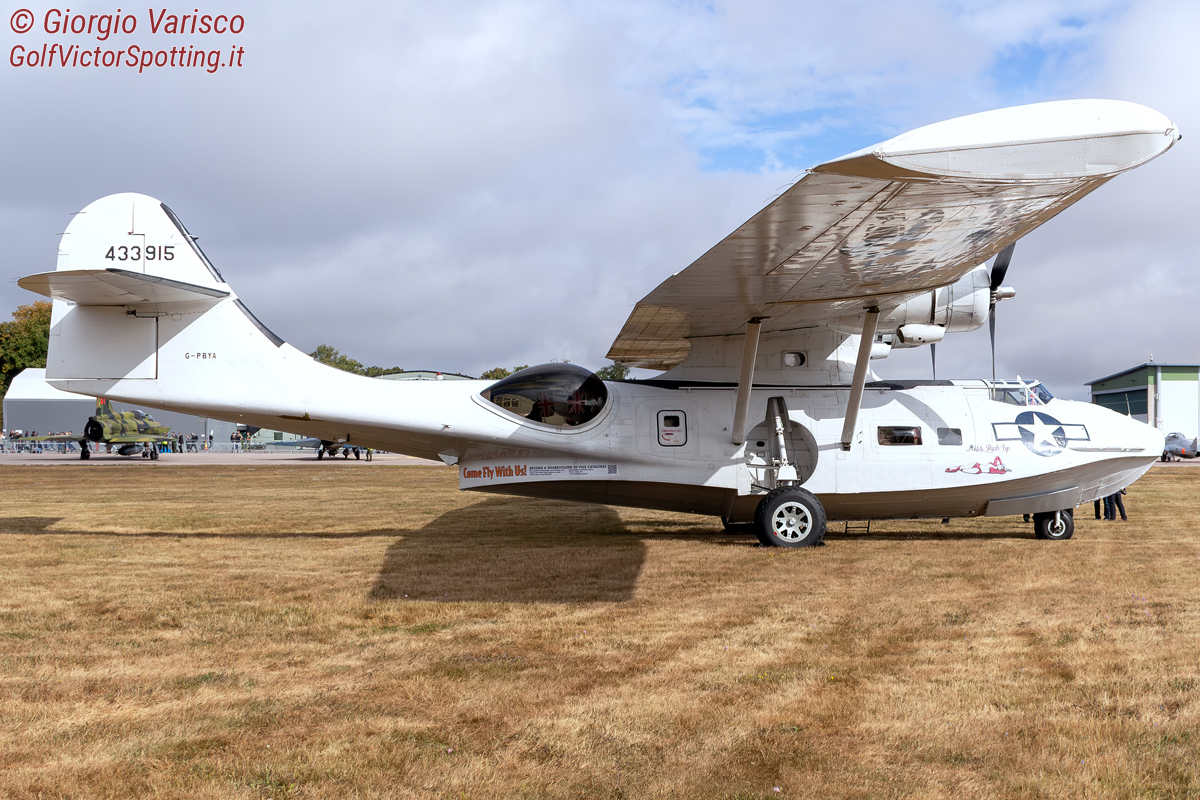
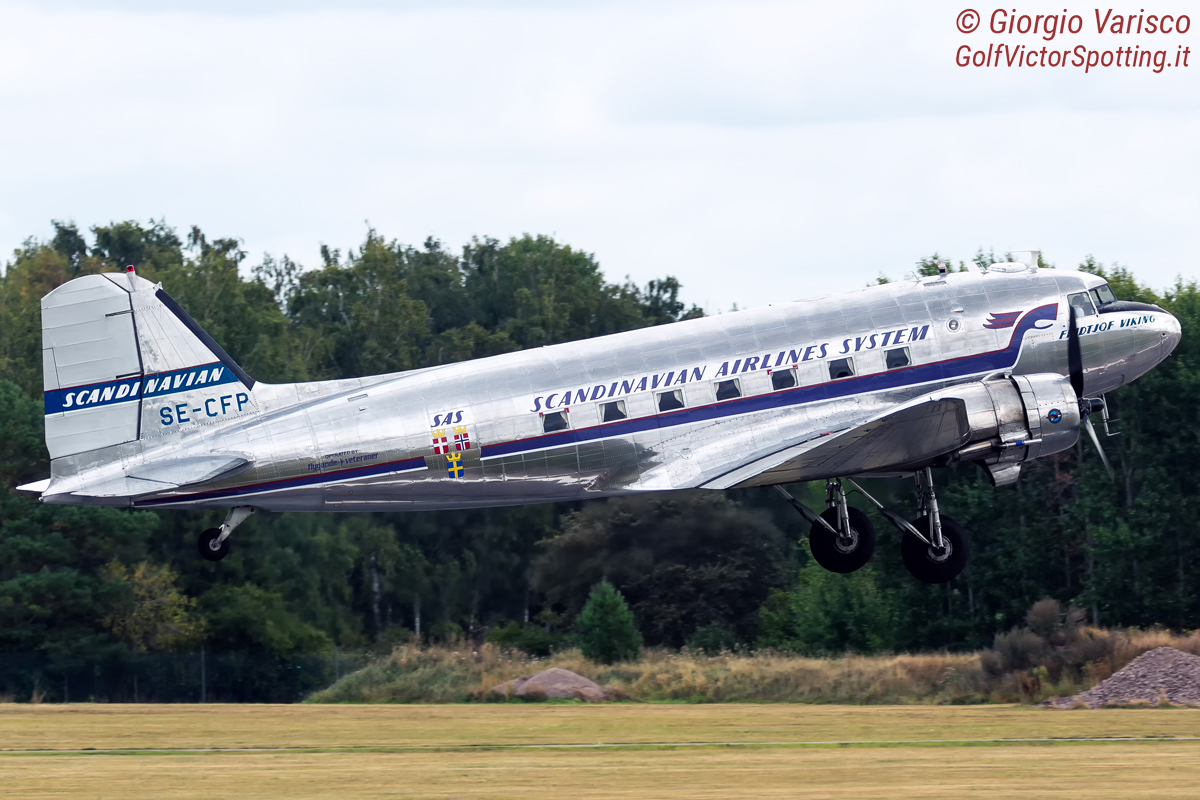
Formation with a Consolidated PBY Catalina (Swedish designation: Tp47) and a DC-3 (Swedish designation: Tp79) to commemorate the “Catalinaaffären”: on 13th June 1952, a DC-3/Tp79 with 8 crew members on board disappeared during a flight above the Baltic Sea. 3 days later, one of the two Catalina/Tp47 involved in the SAR mission was attacked by a Soviet MiG-15 fighter and forced to ditch, luckily without any loss of life. For 40 years the Swedish Government claimed that the DC-3 was involved in a navigation training flight. In the ’90s, due to pressure from the crew members families, it was revealed that it was actually performing a SIGINT (SIGnal INTelligence) reconnaissance mission for NATO (of which Sweden was not member at the time). In the same years, a Russian officer (Air Force colonel during the affair) confirmed sending MiG-15 fighters to shoot down the plane. The wreck was recovered in 2004, and it is now on display at the Flygvapenmuseum.
FVM Ö1 Tummelisa trainer replica built by Mikael Carlson, known both for building replicas and maintaining original aircraft airworthy
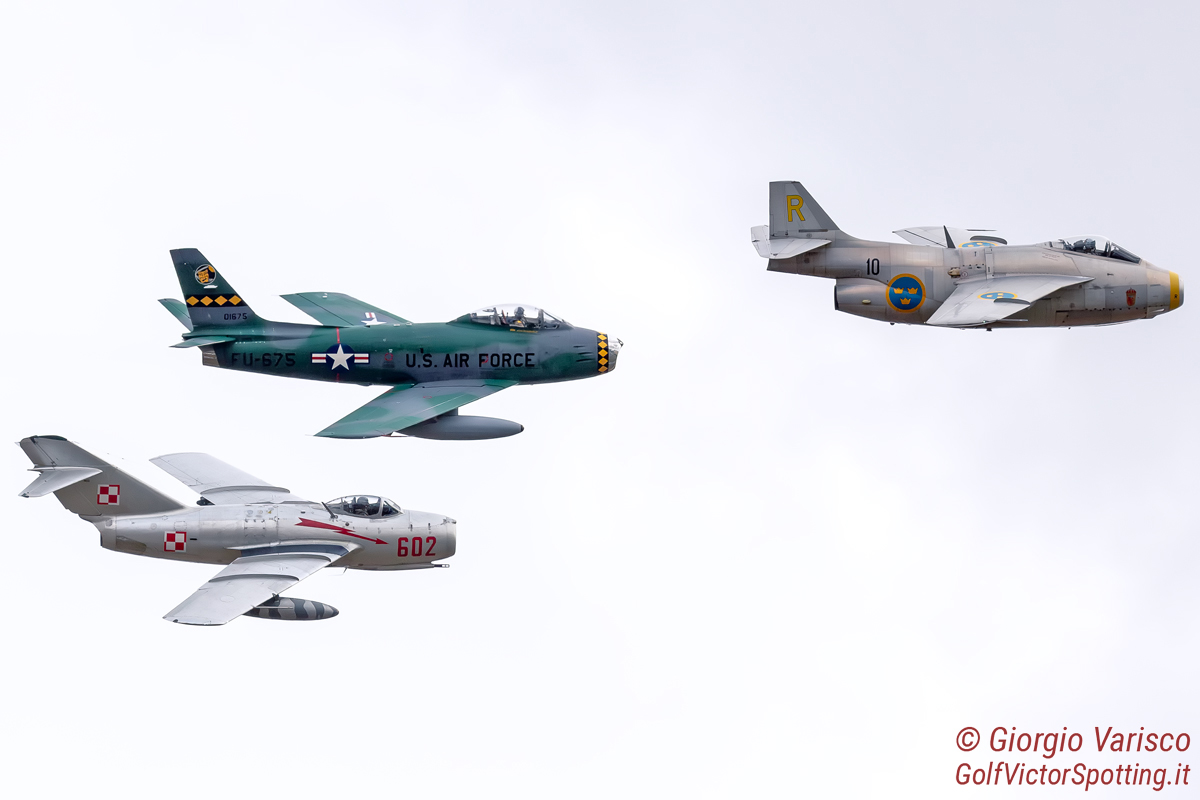
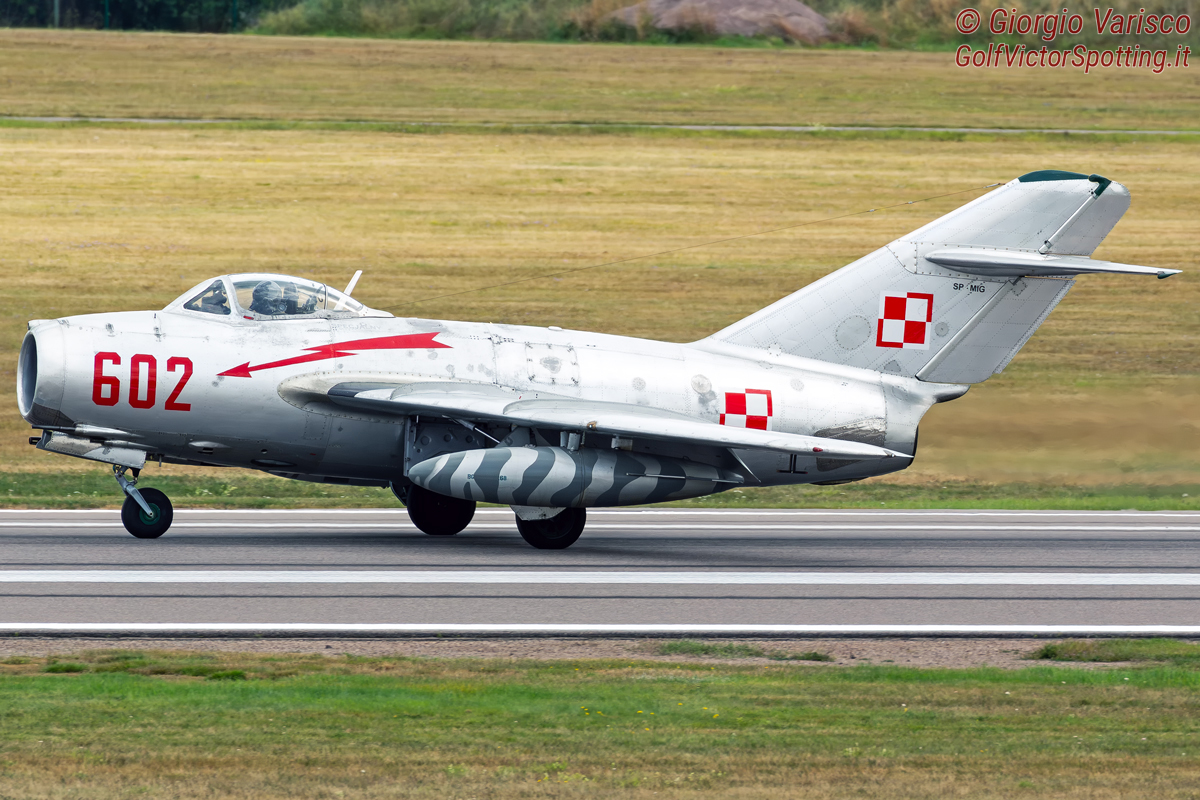
’50s fighter formation: J29 Tunnan operated by Swedish Air Force Historic Flight, Canadair Sabre recently acquired by Red Bull and PZL-Mielec Lim-2 (Polish license-built version of the MiG-15bis) operated by FUBAR Aviation
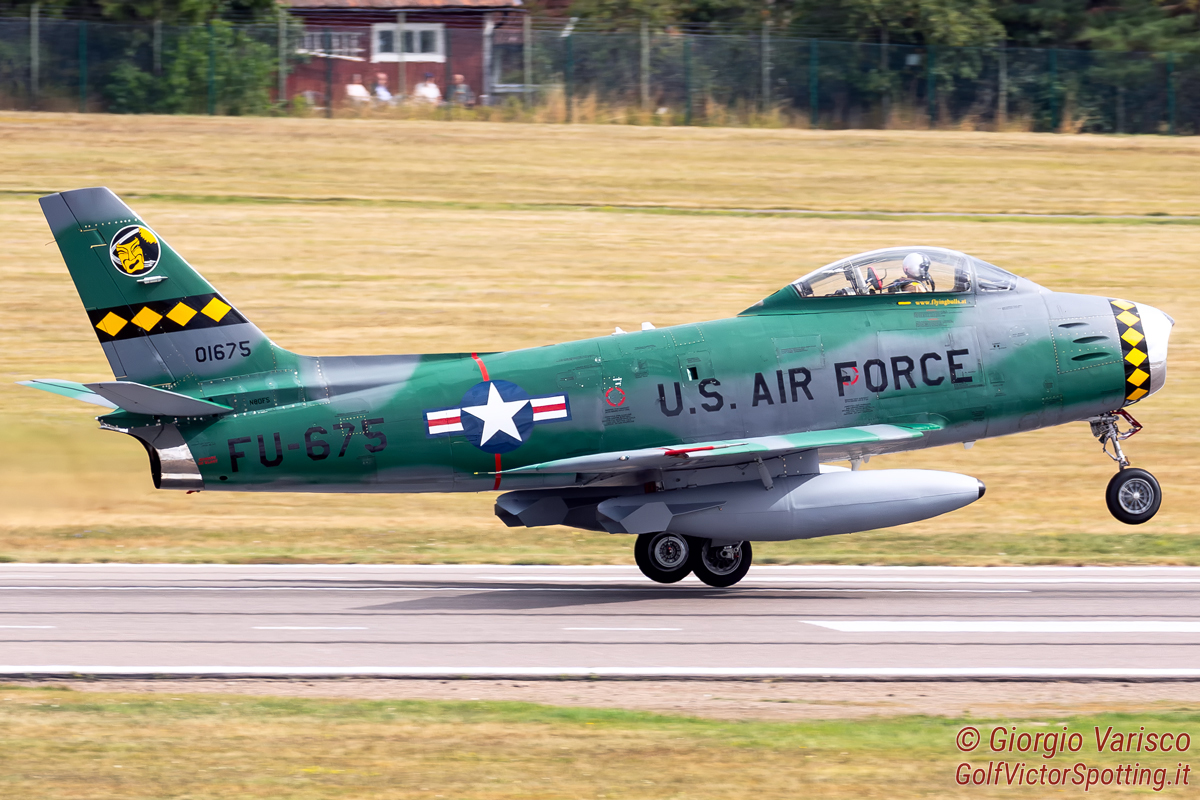
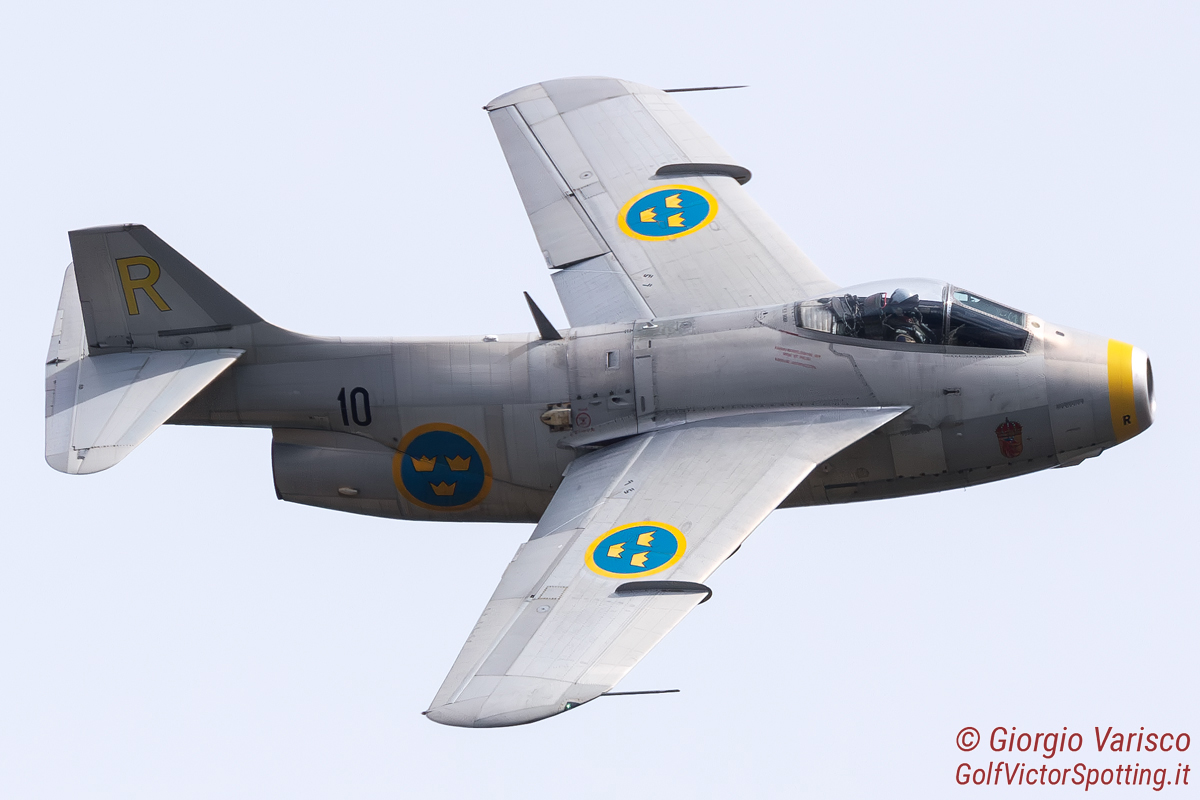
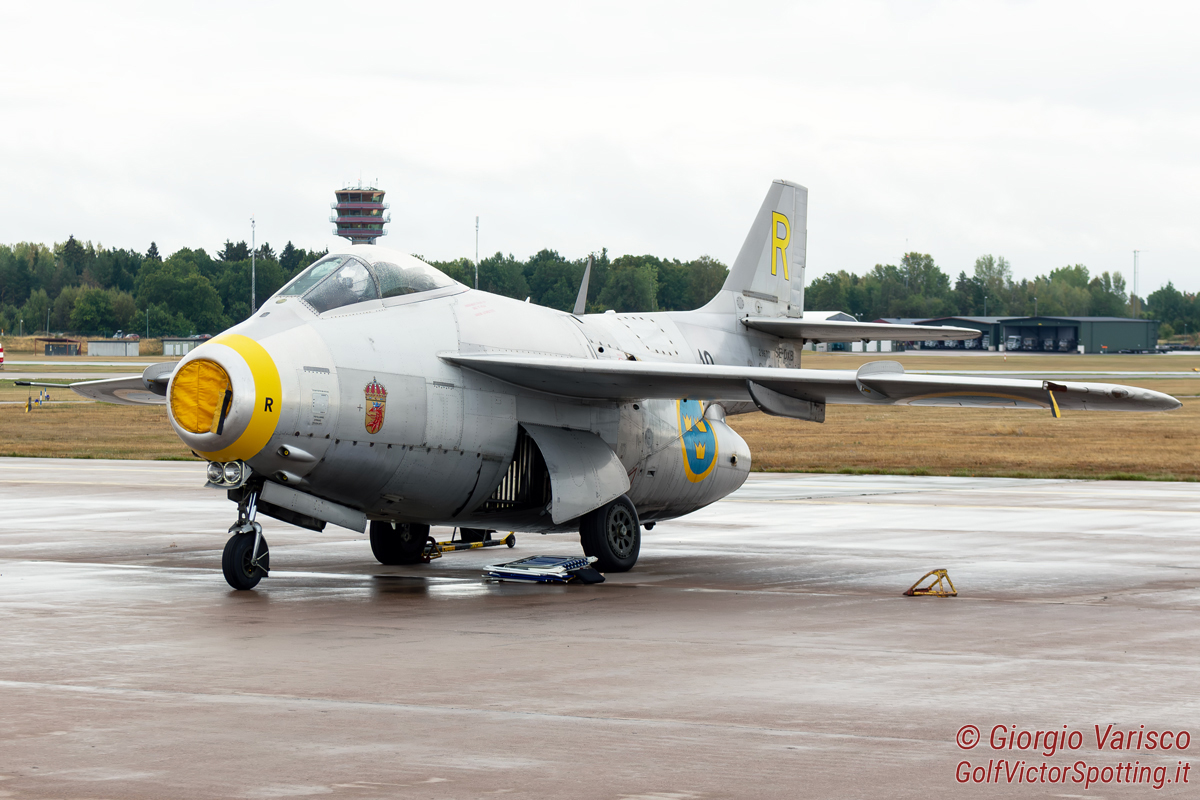
Solo display by the Tunnan
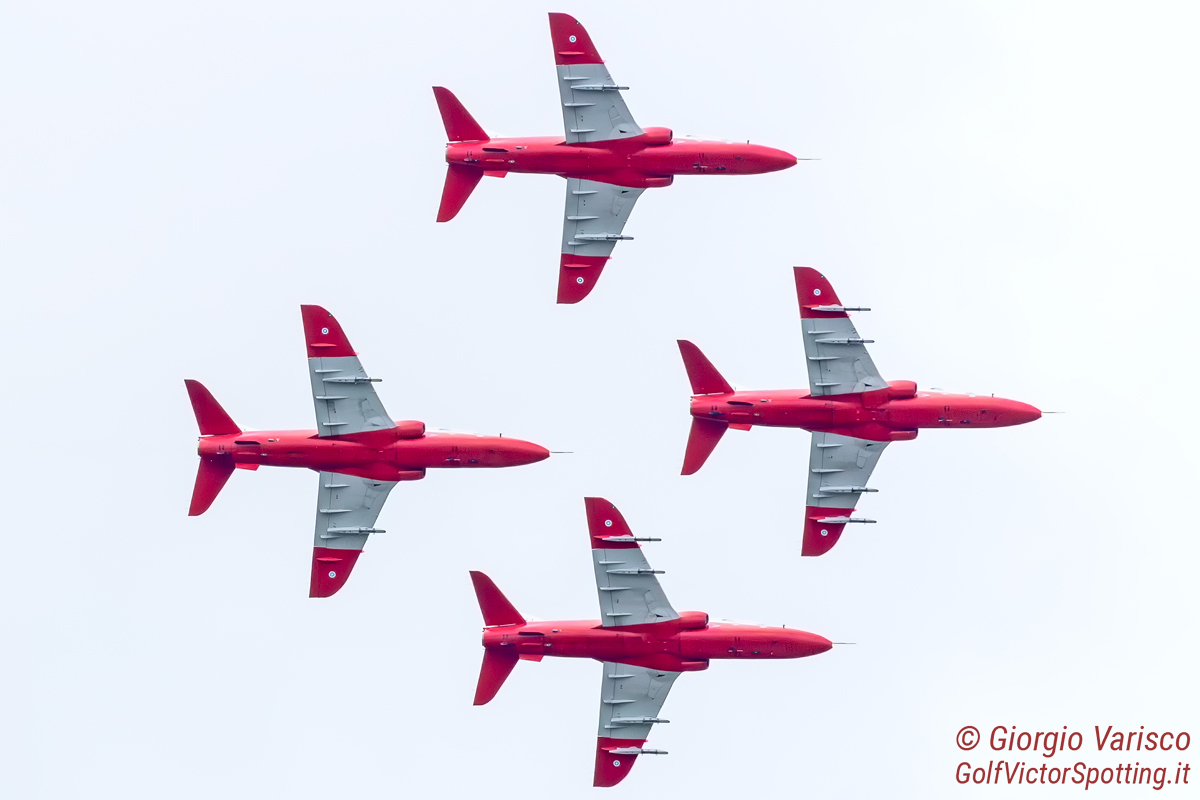
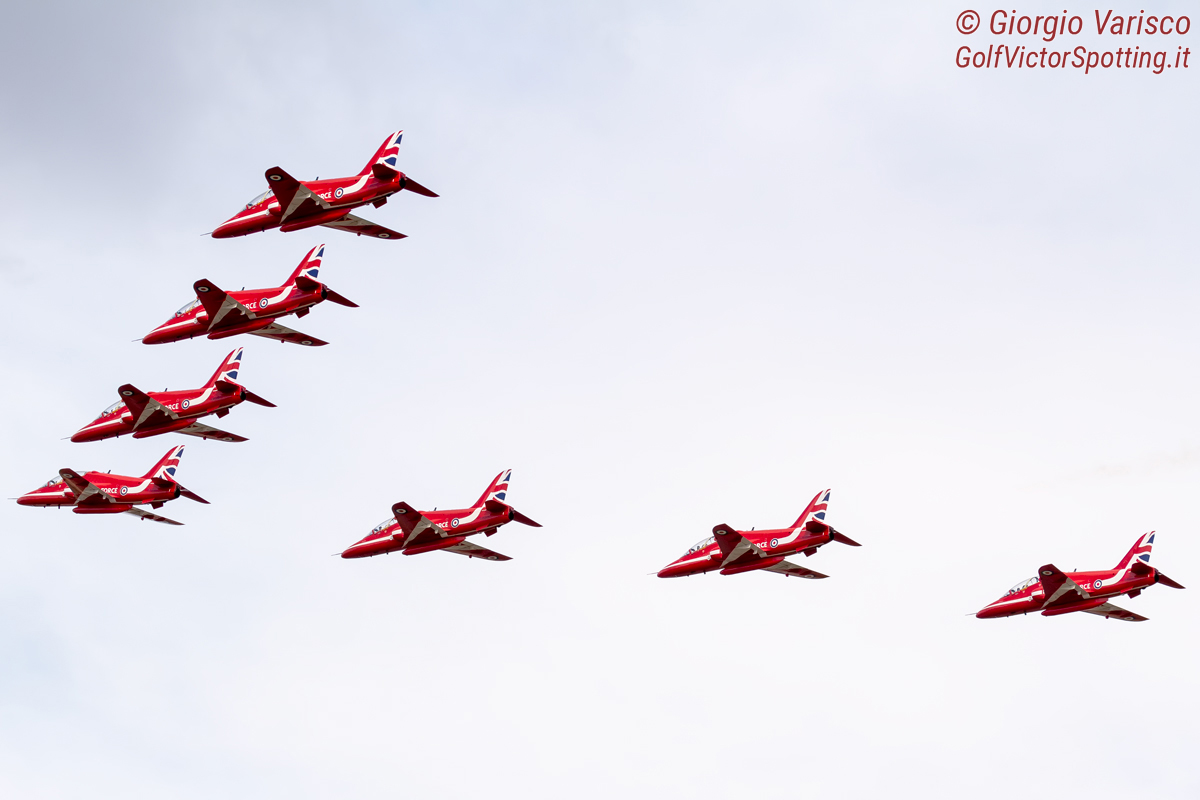
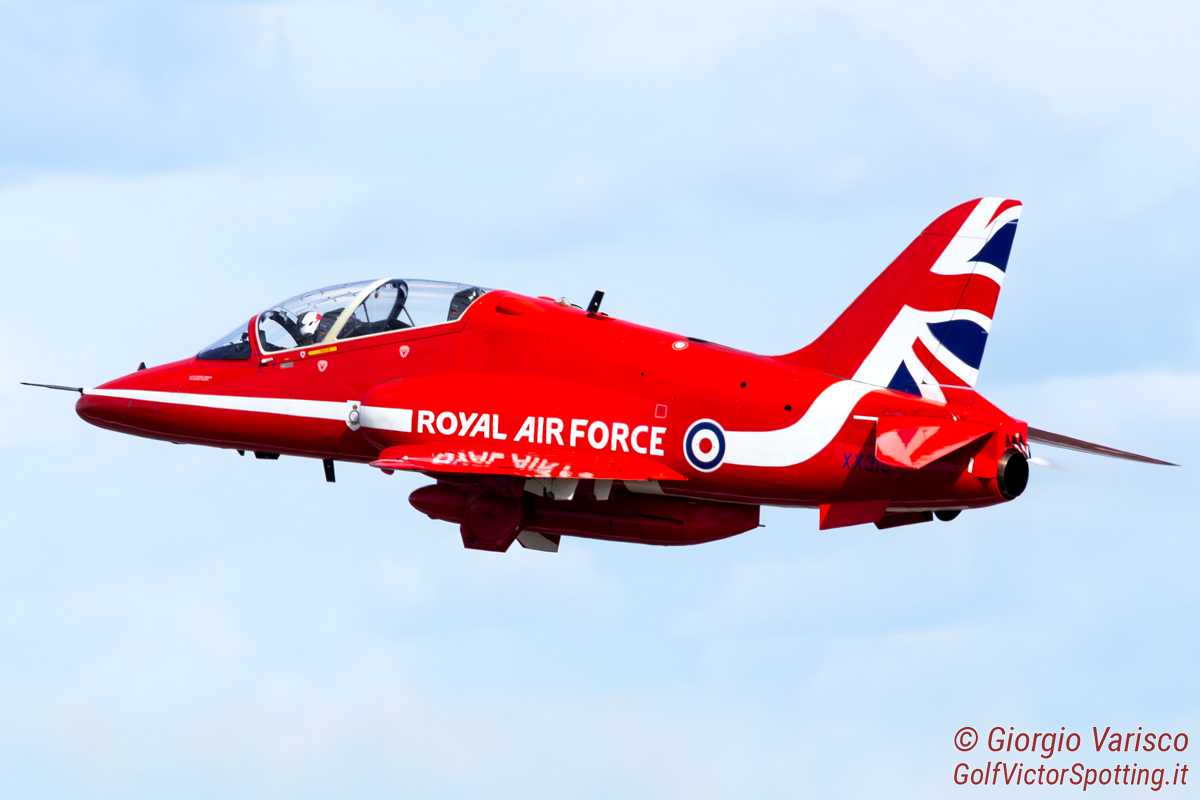
Royal Air Force display team Red Arrows
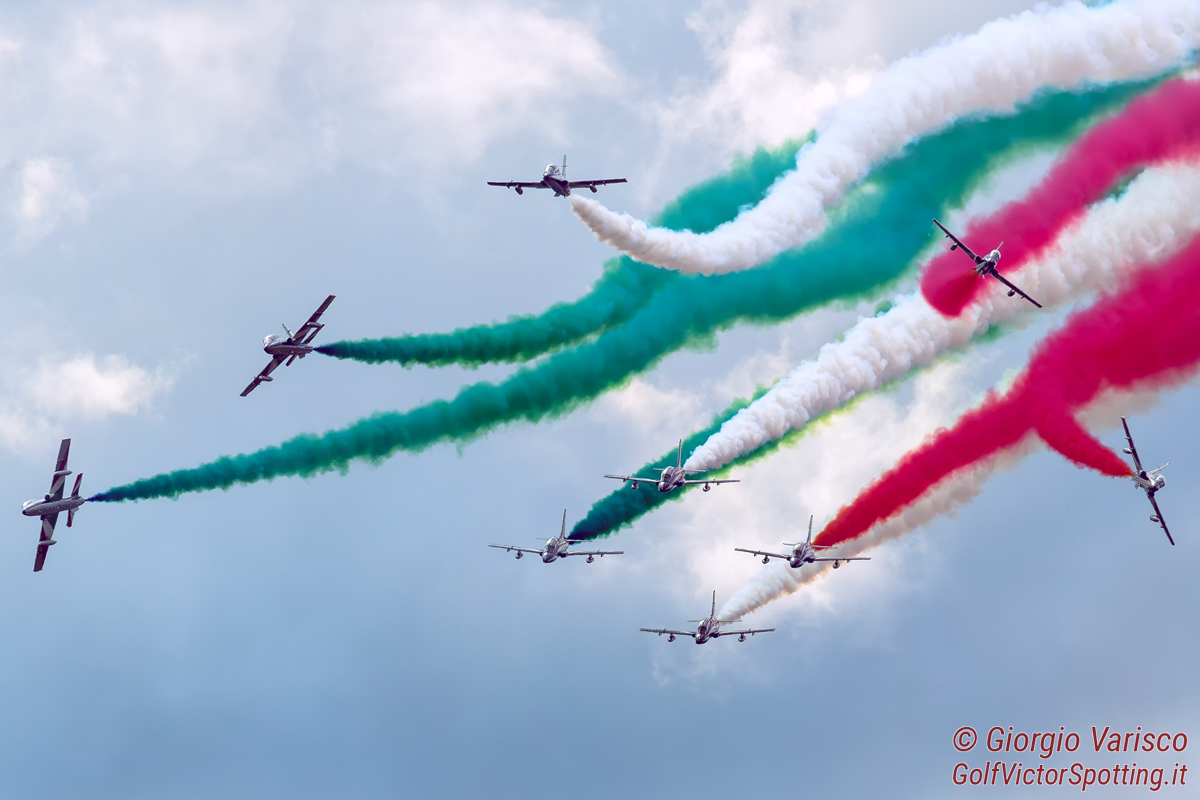
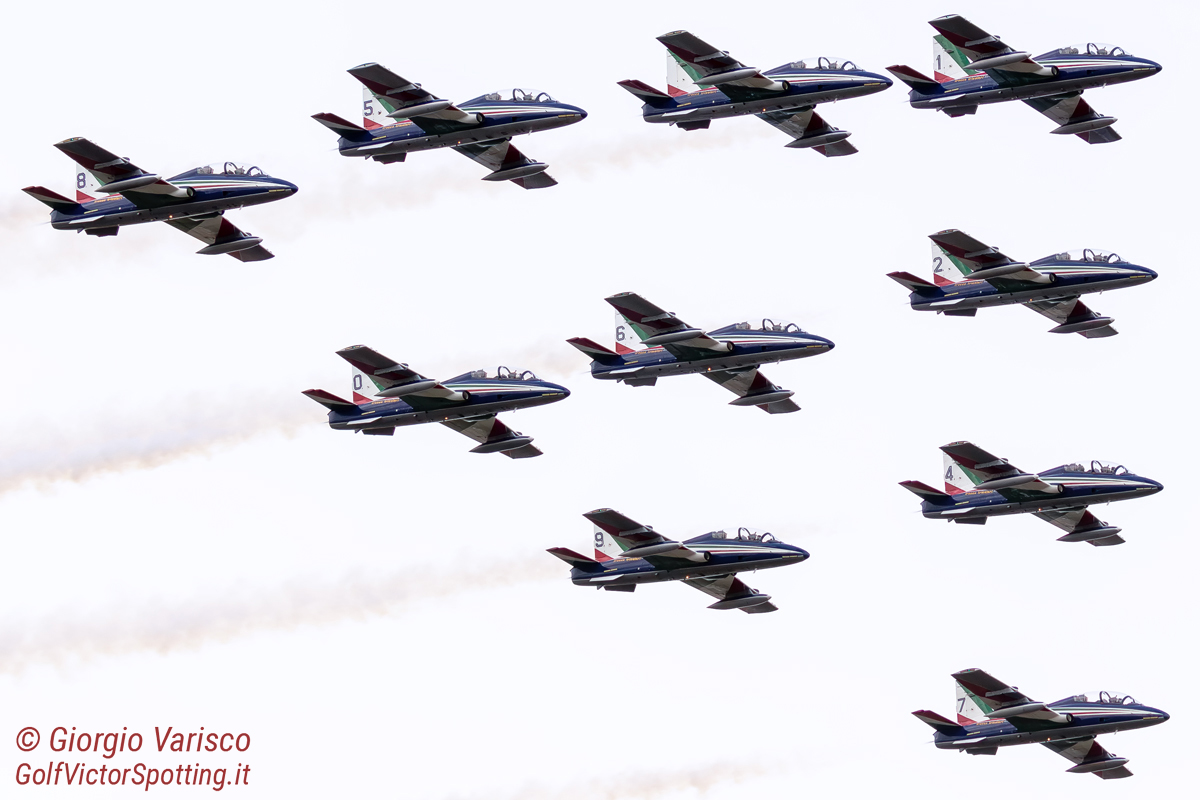
Frecce Tricolori. Trivia: the 1983 Linköping airshow was the 2nd display performed abroad by the Frecce Tricolori with the then newly-equipped MB.339!
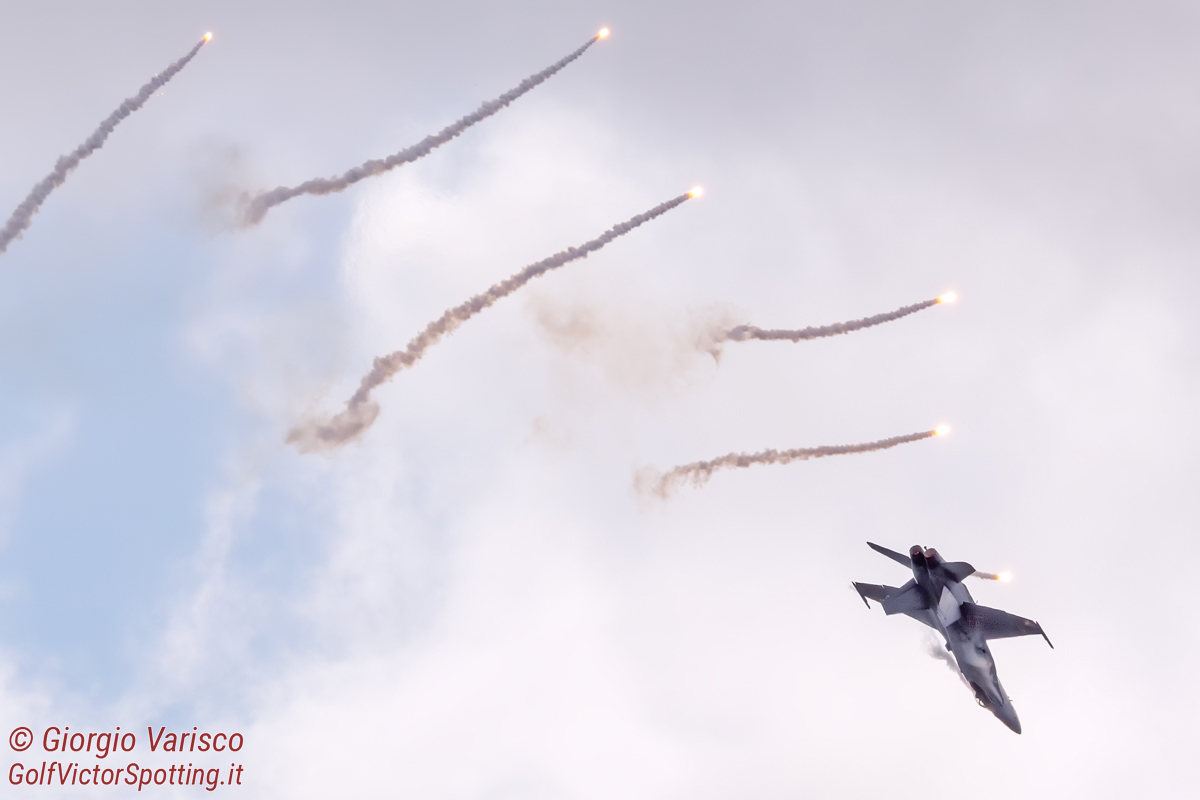
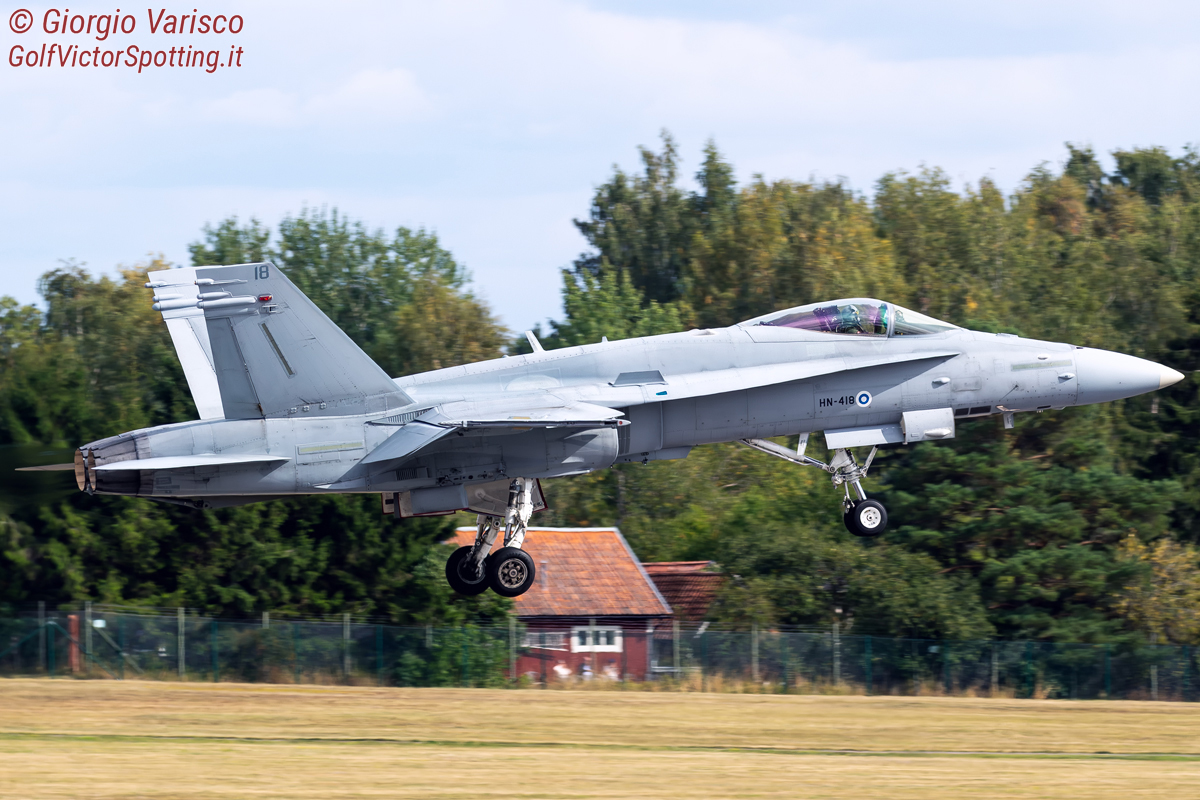
Finnish Ilmavoimat F-18 solo display
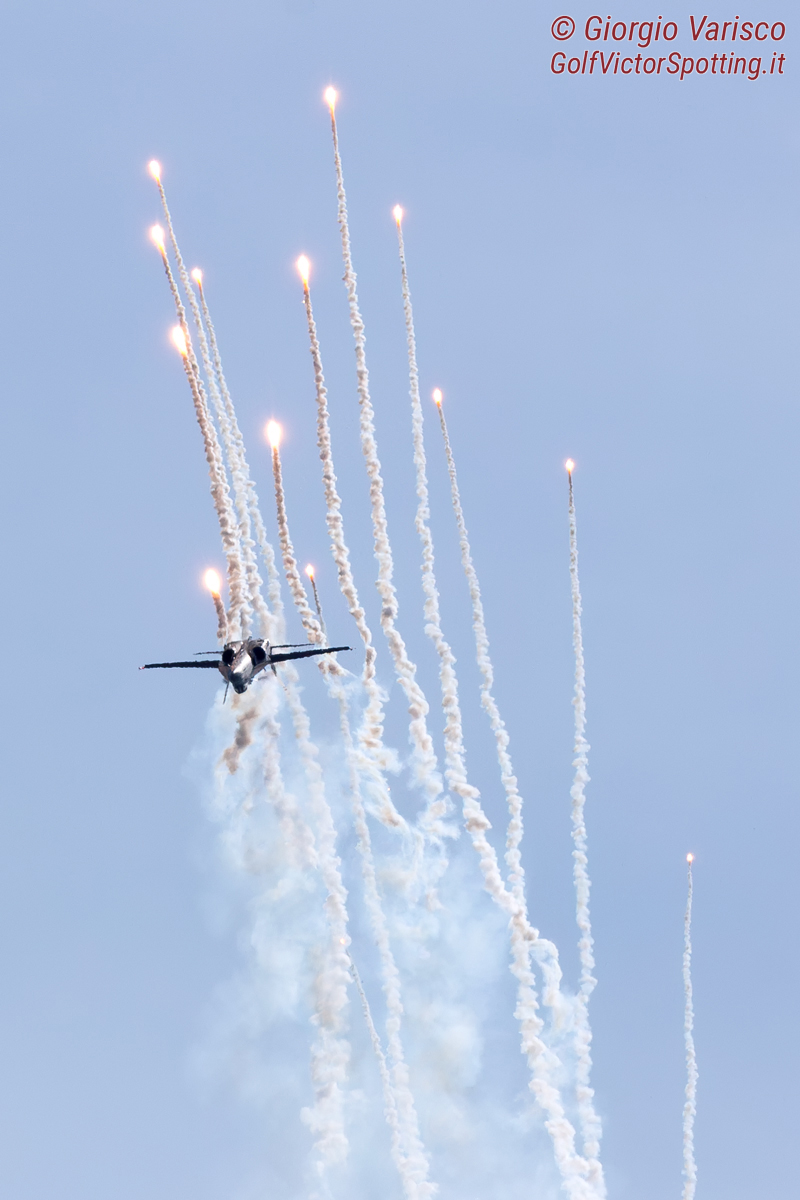
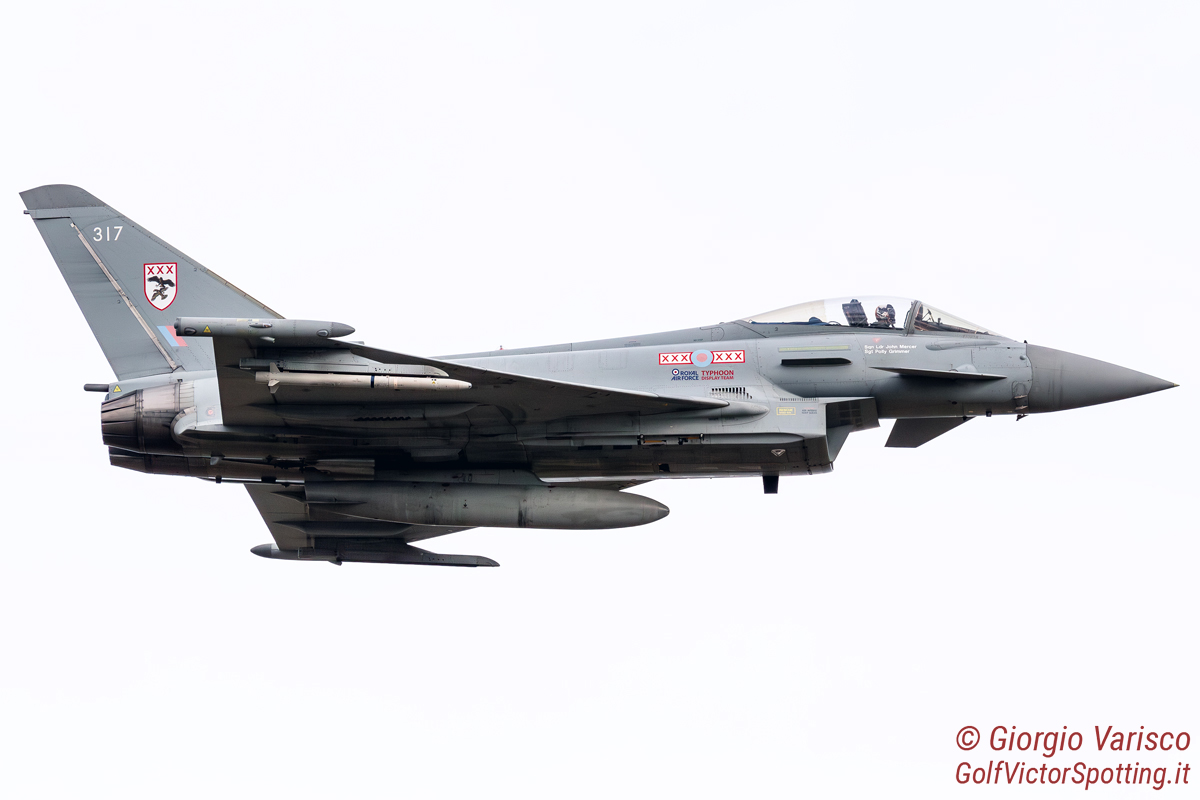
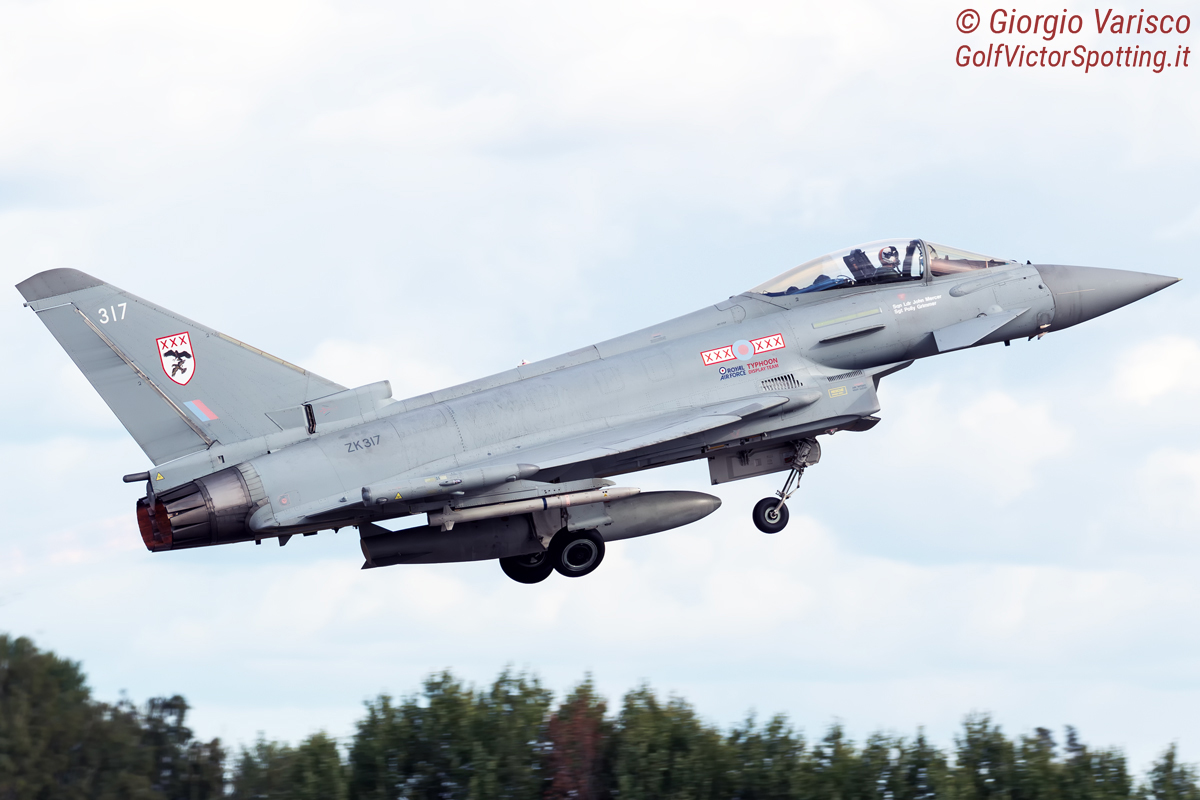
Royal Air Force Typhoon Display Team
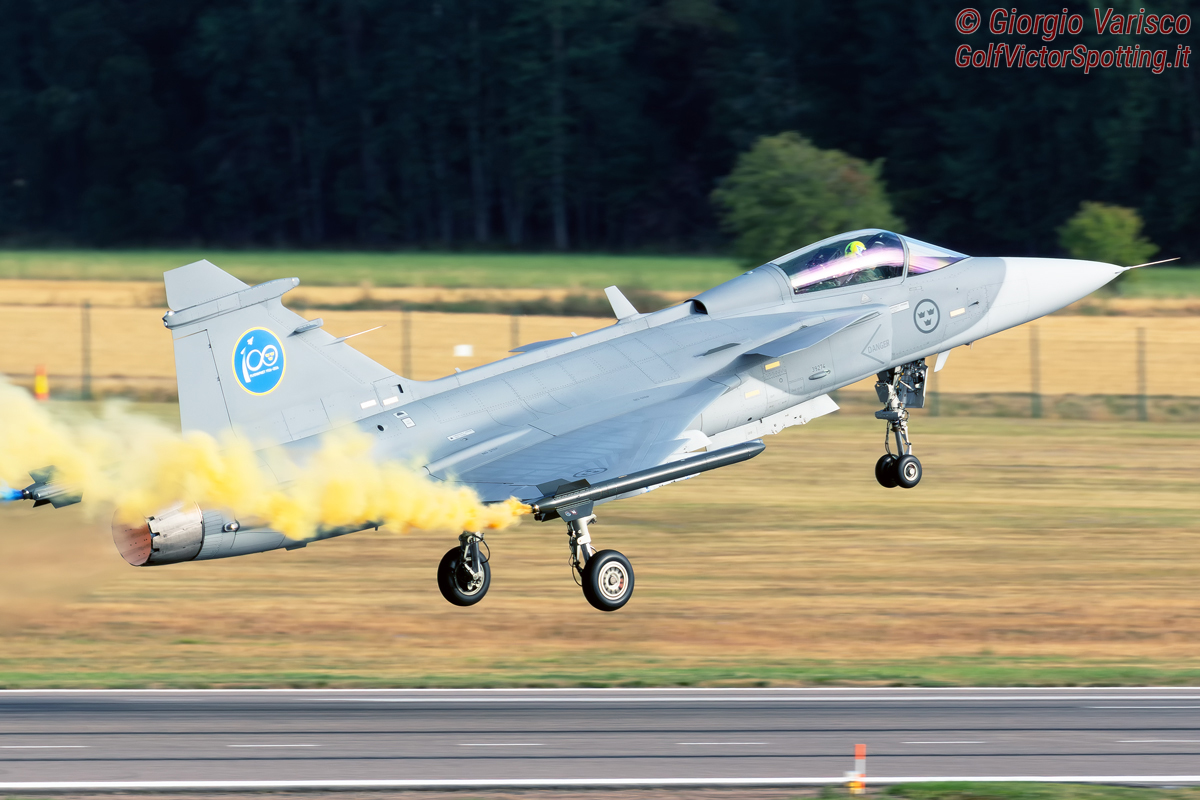
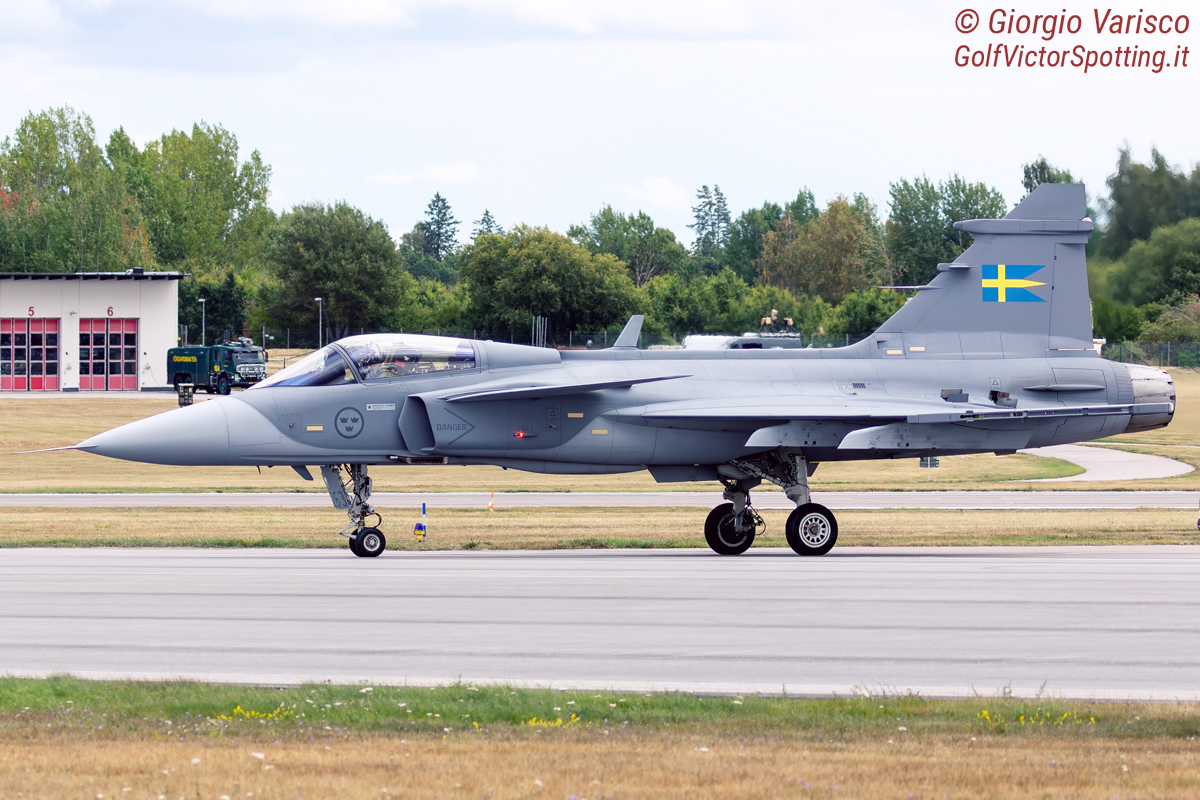
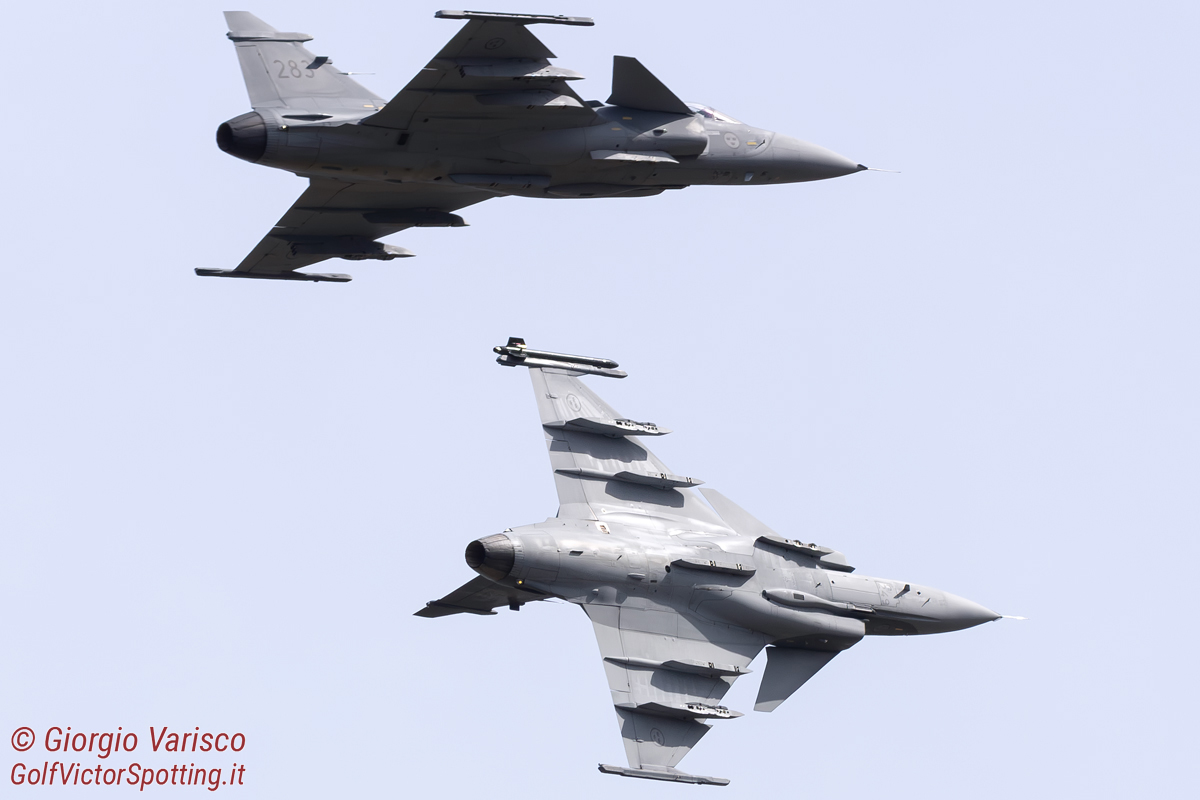
JAS39C Gripen solo display with smokewinders spreading national colours and commemorative stickers on the rudder
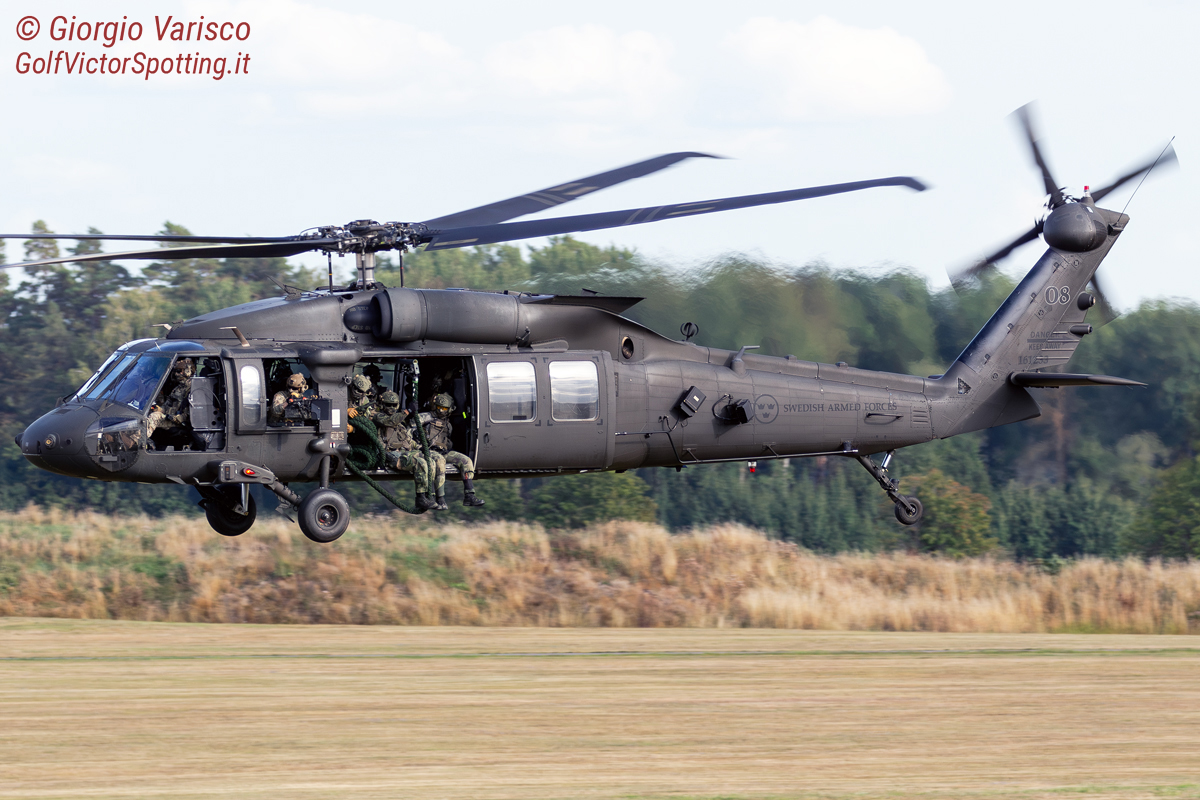
Airborne assault demo with Hkp16 Black Hawk
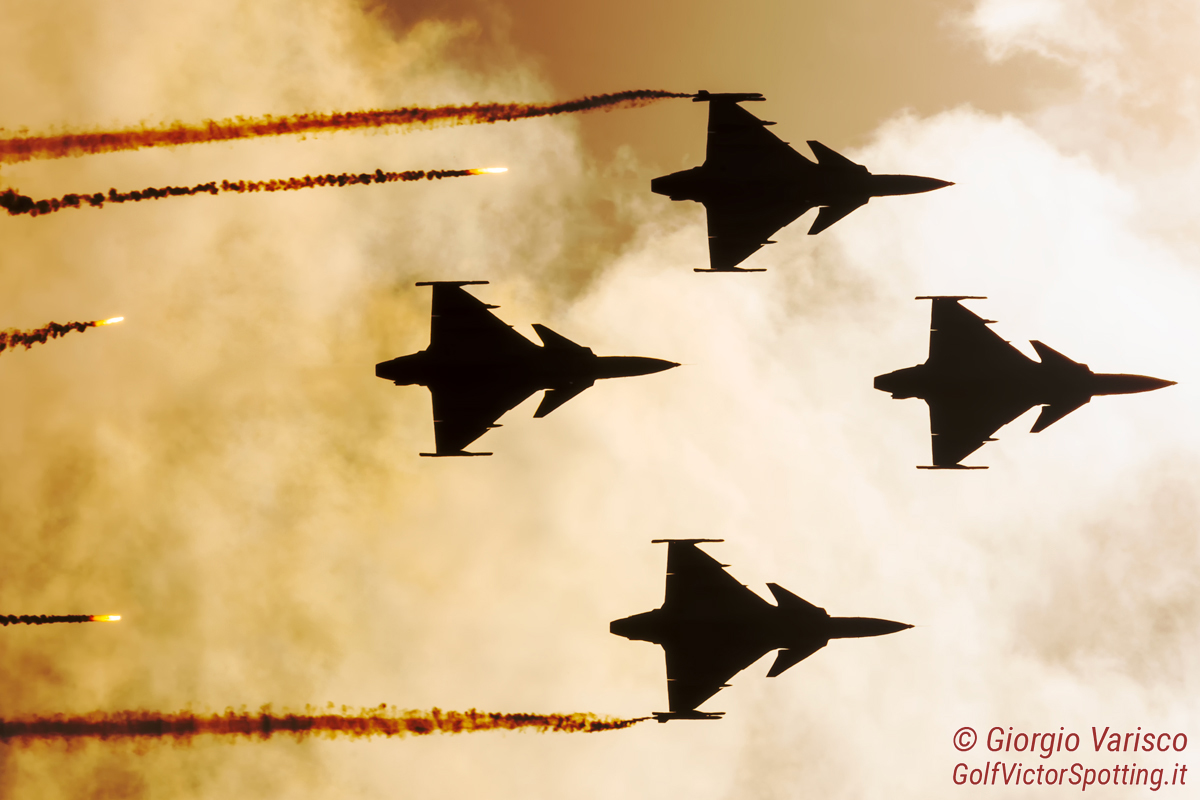
4 JAS39C Gripen display
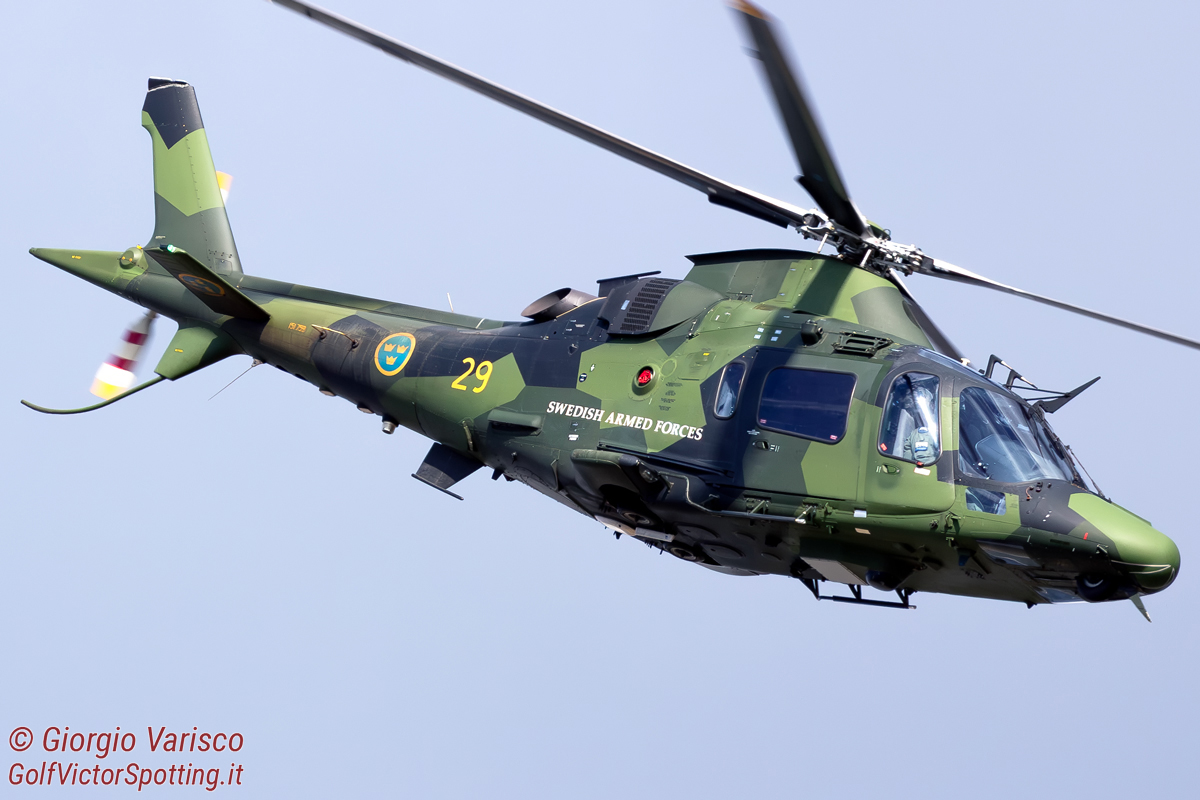
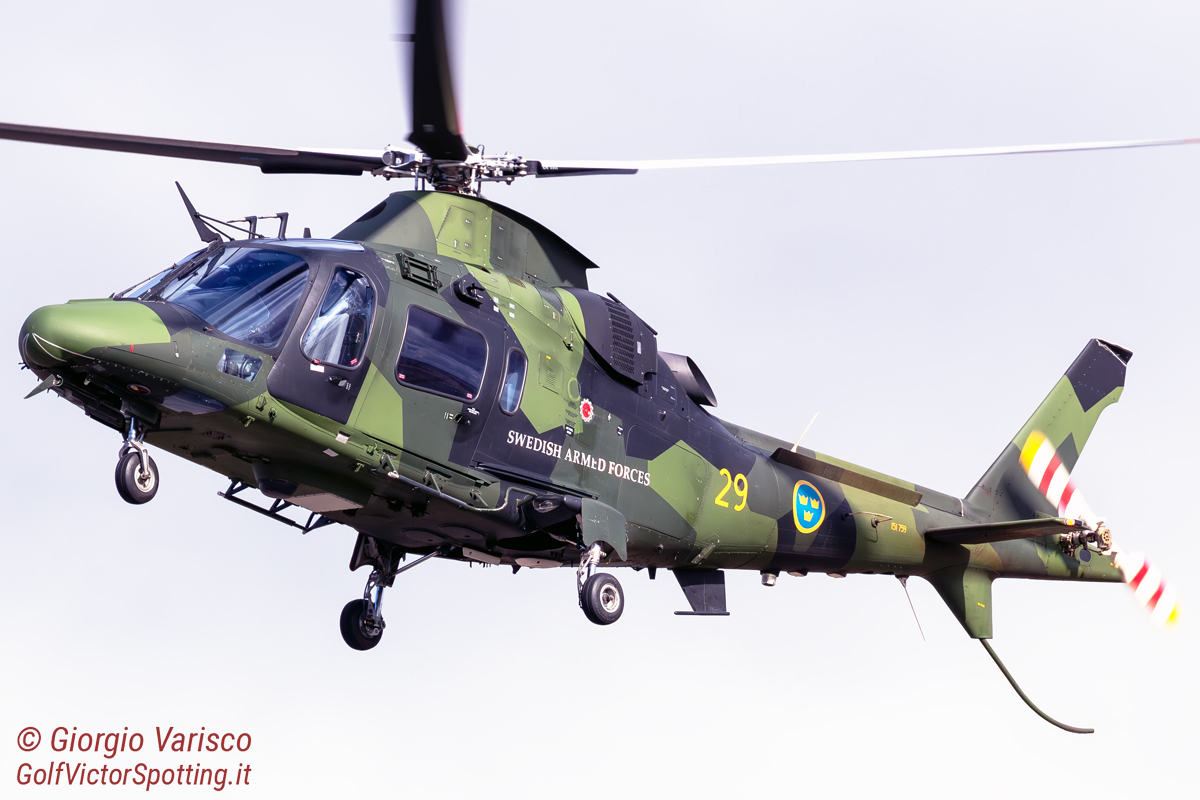
A109 (Swedish designation: Hkp15) solo demo
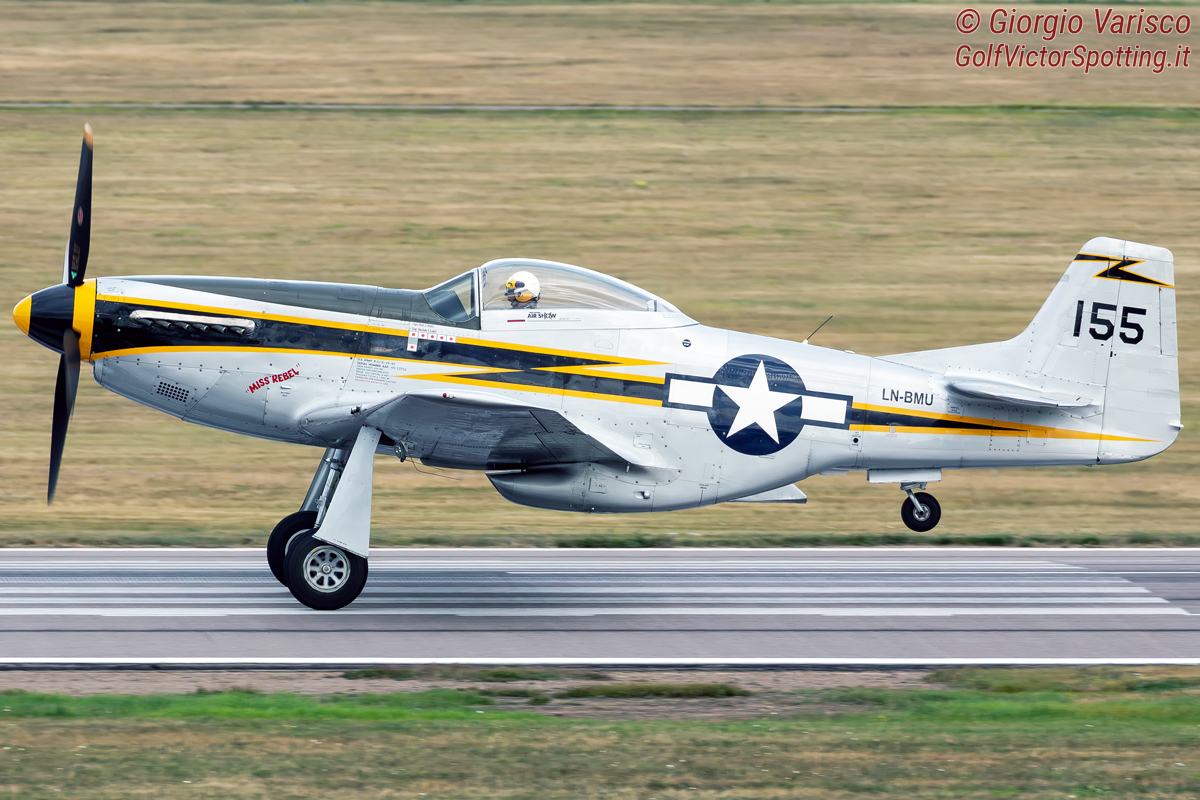
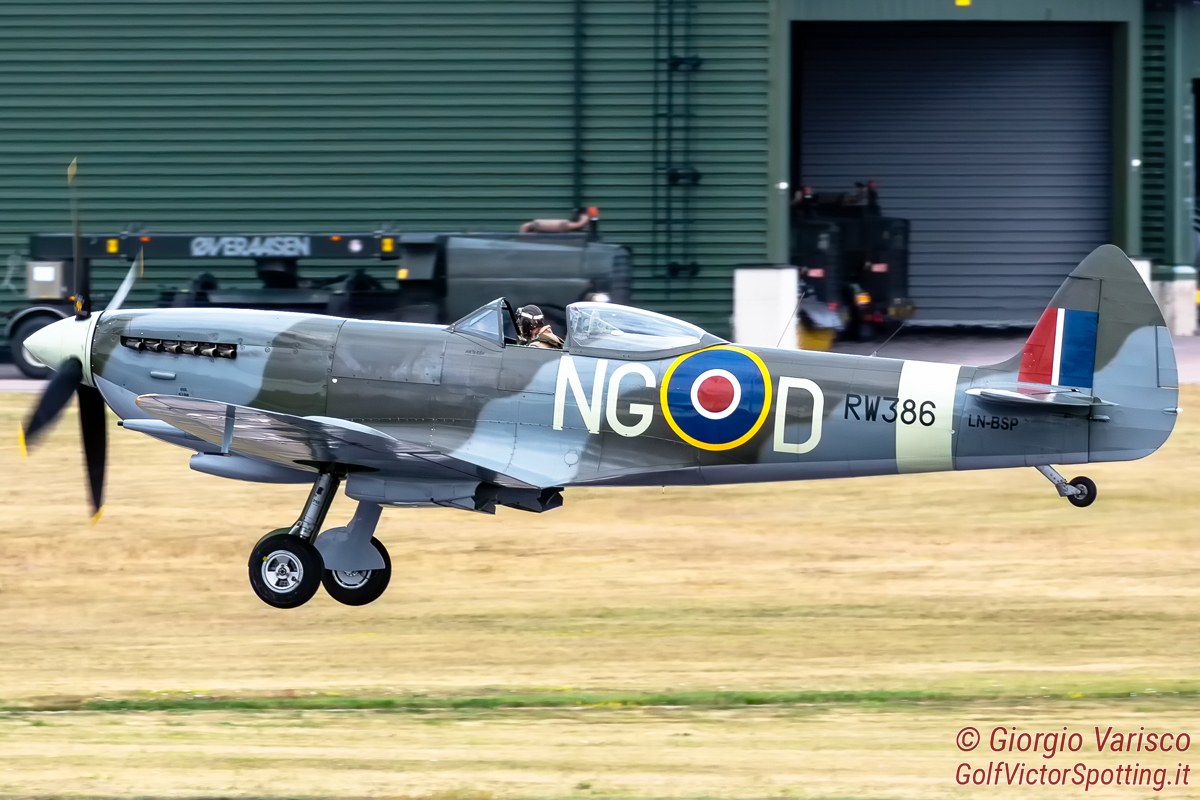
Display by a North American P-51D Mustang (Swedish designation: J26) and a Supermarine Spitfire LF.XVI (version which did not serve in the Flygvapnet)
Army aircraft and helicopters balbo
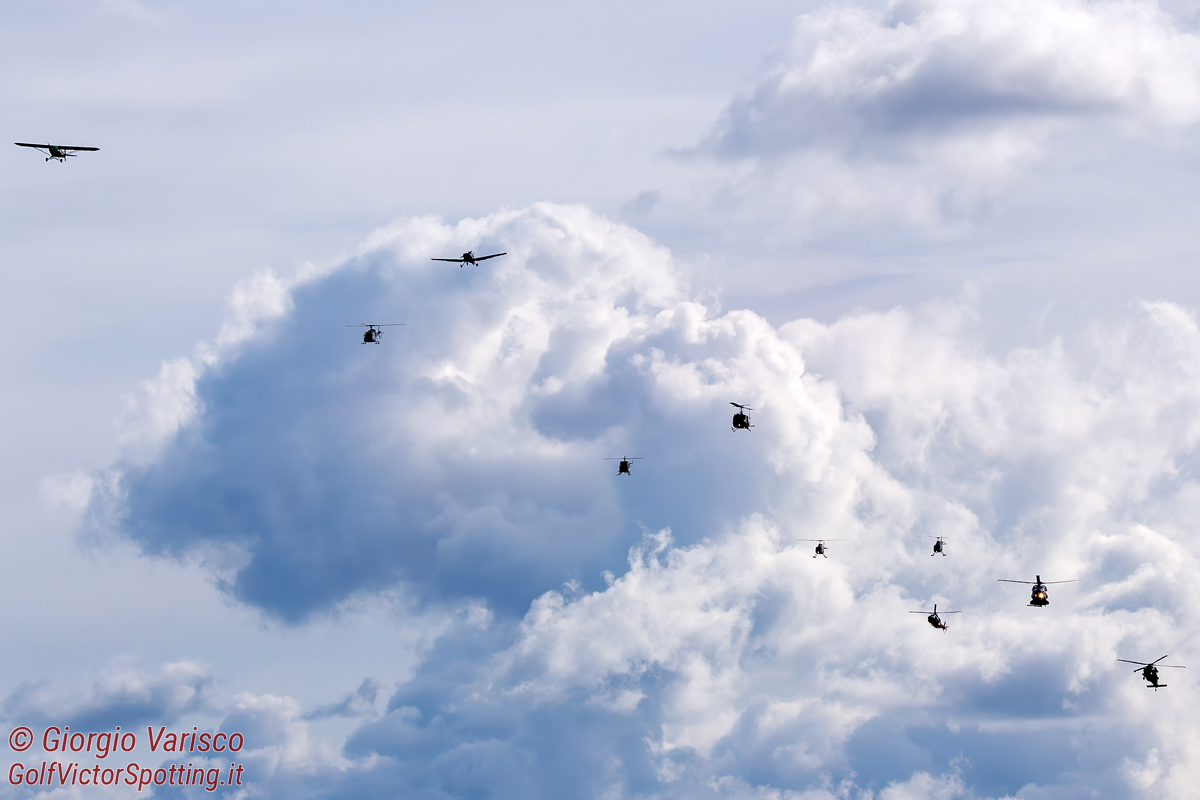
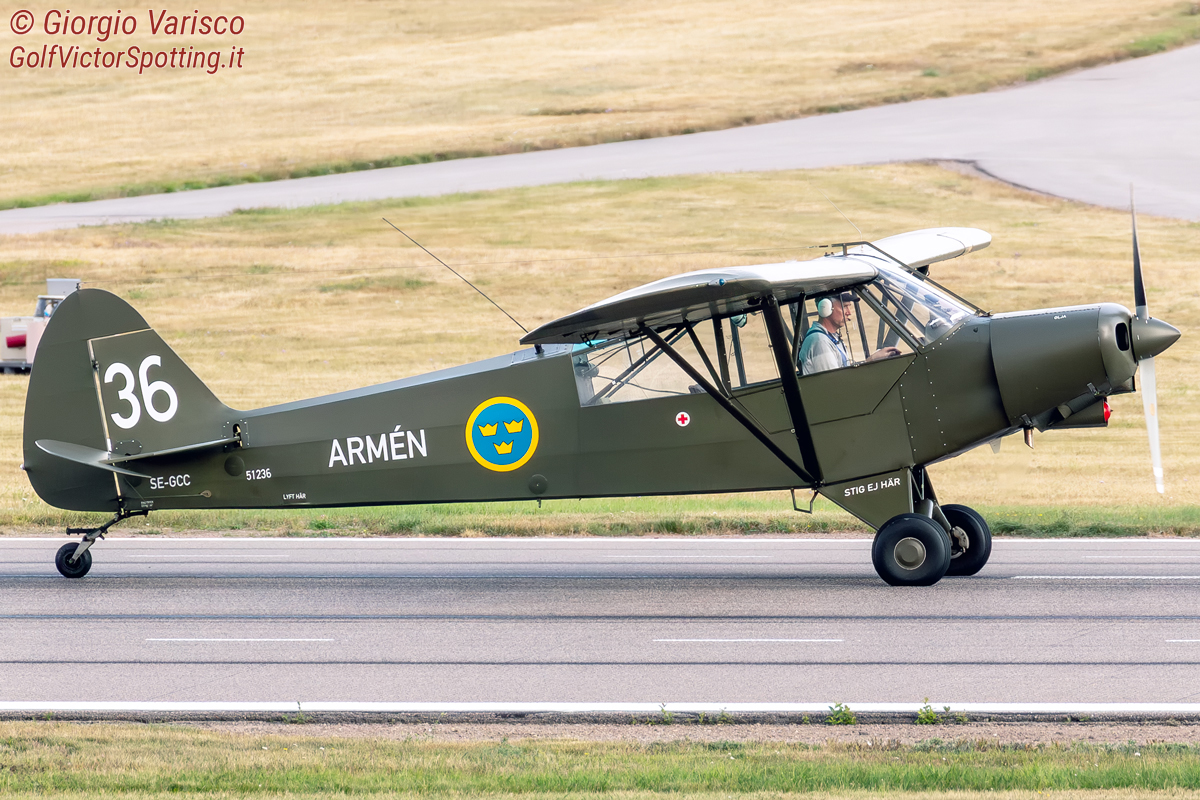
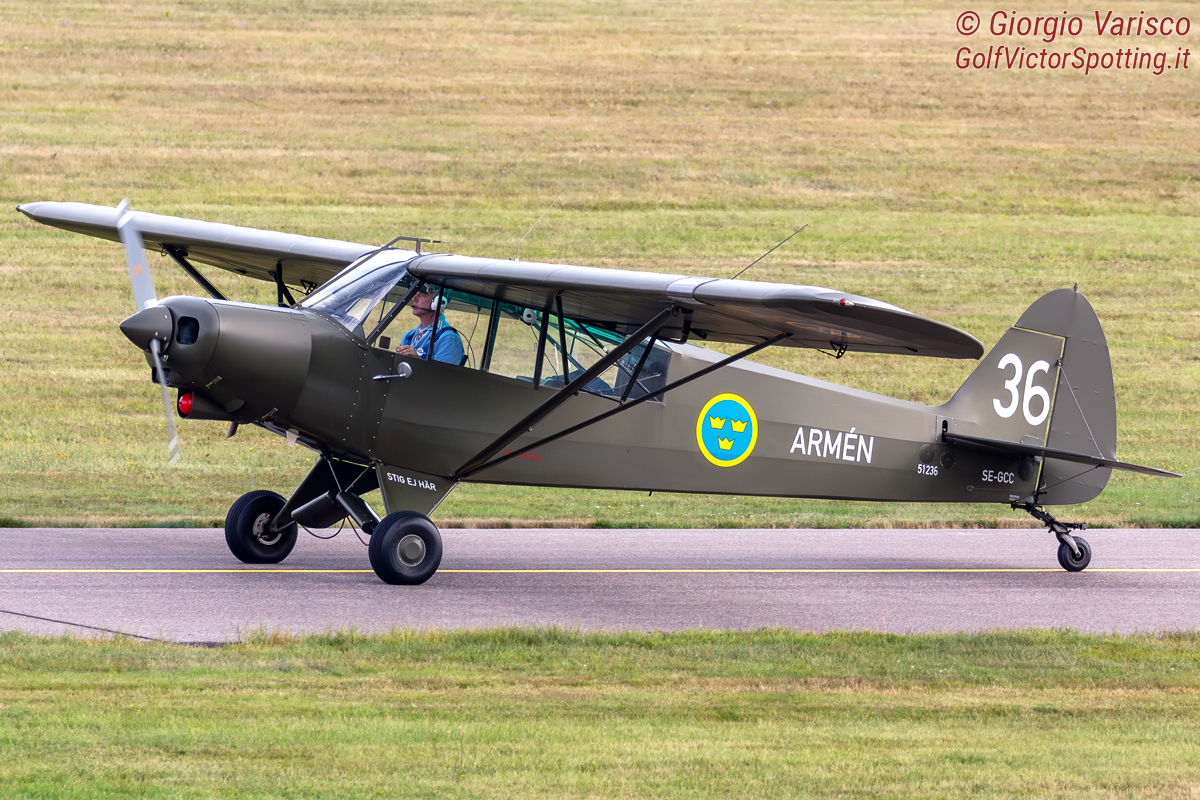
Taking part in the balbo were Piper PA-18 Super Cub (Swedish designation: Fpl51)
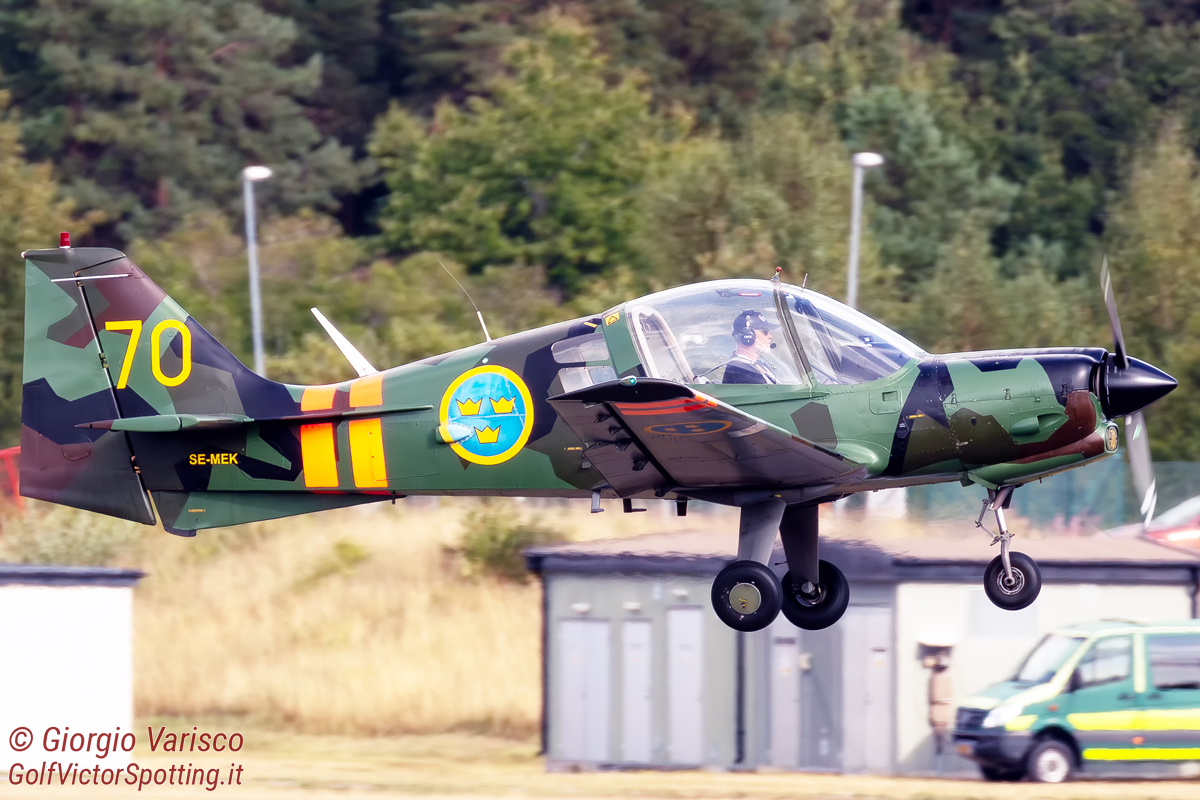
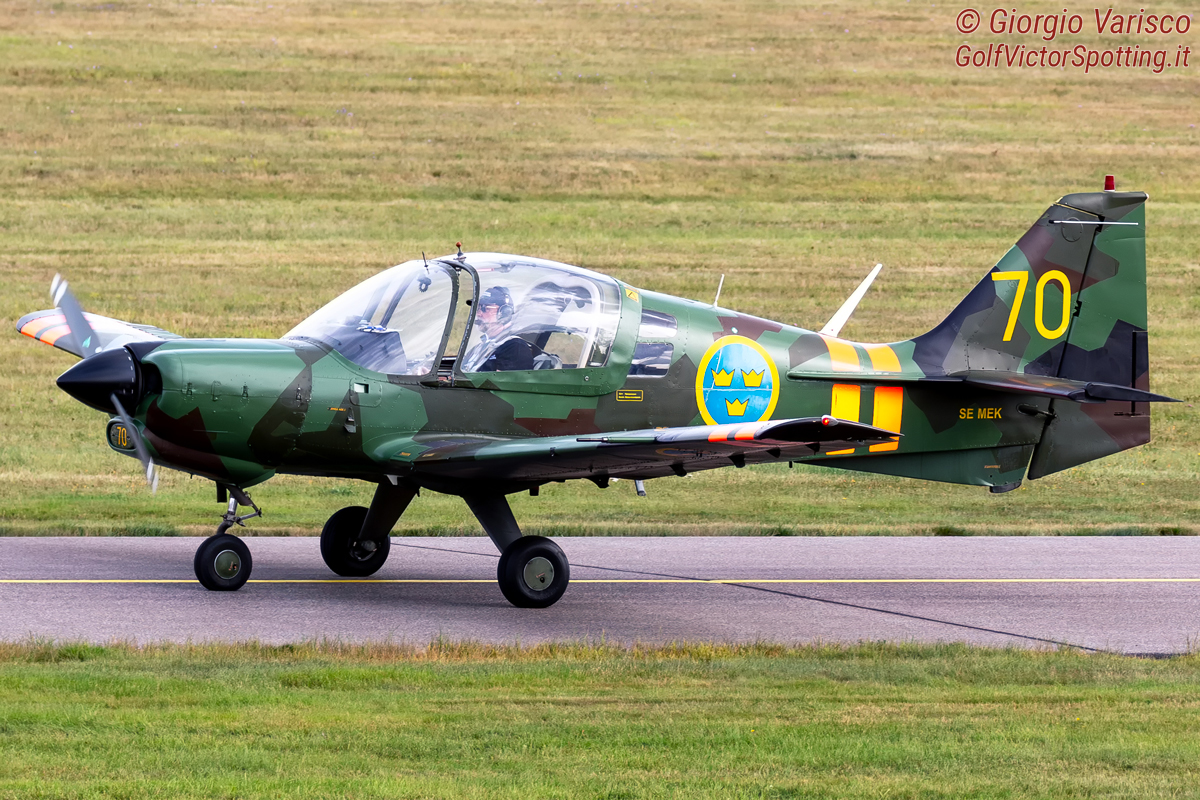
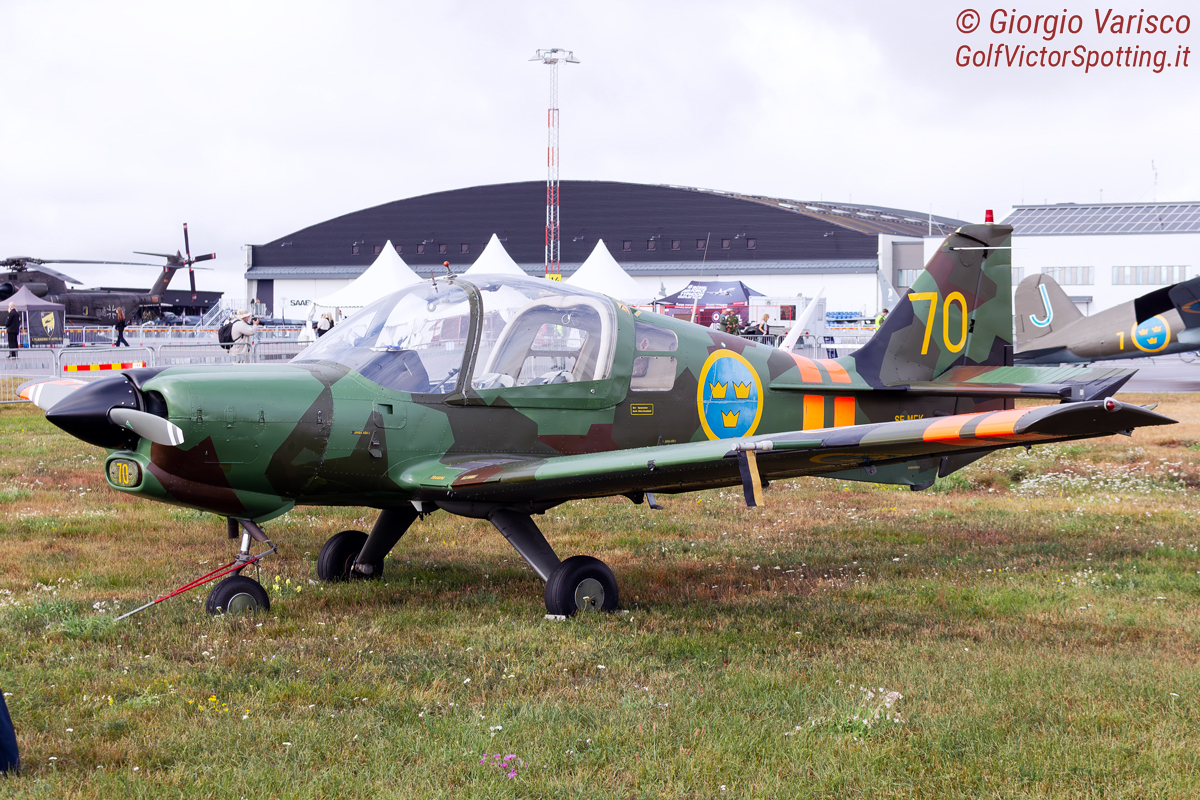
Scottish Aviation Bulldog (Swedish designation: Fpl61)
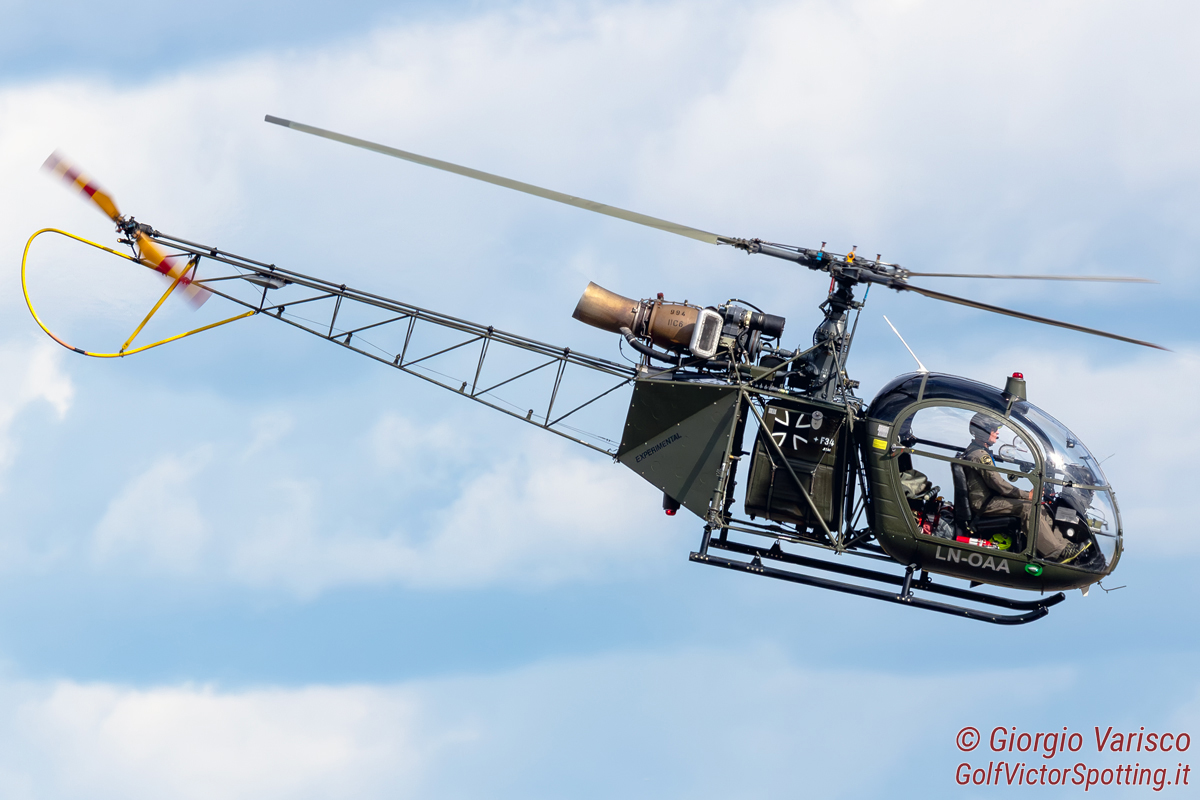
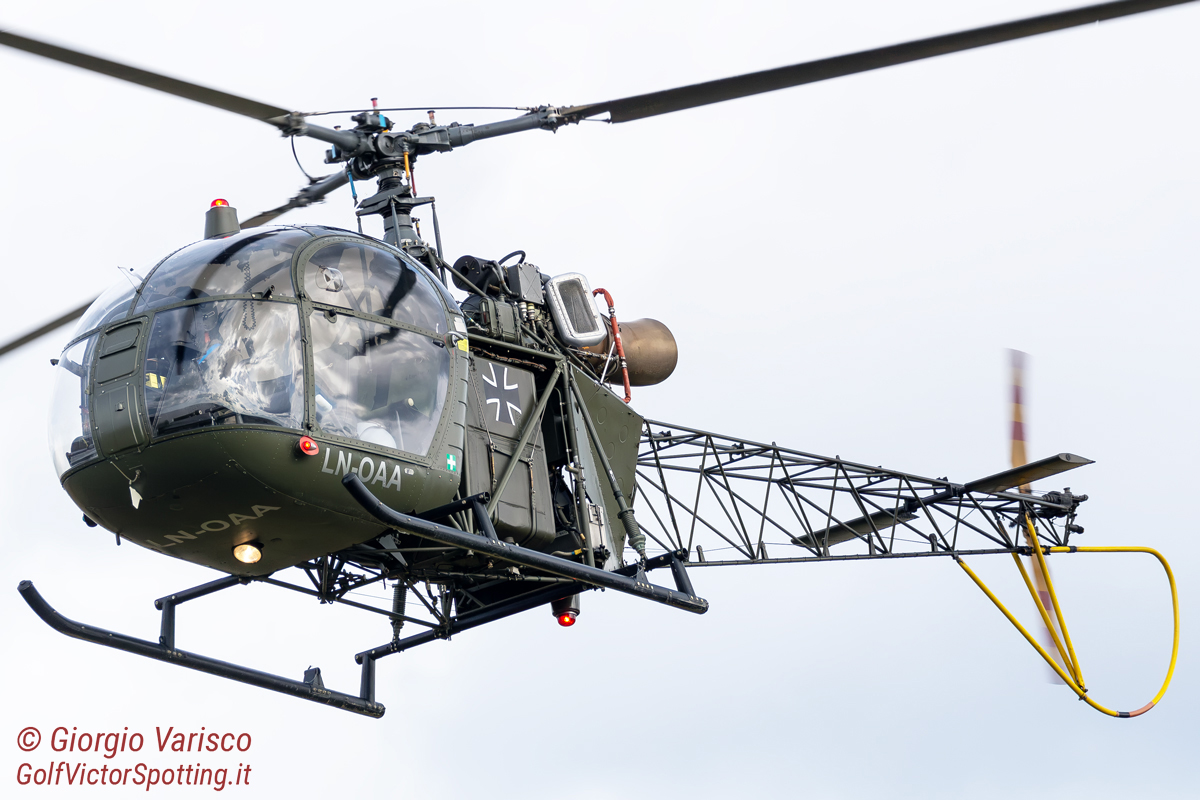
Aérospatiale Alouette II (Swedish designation: Hkp2)
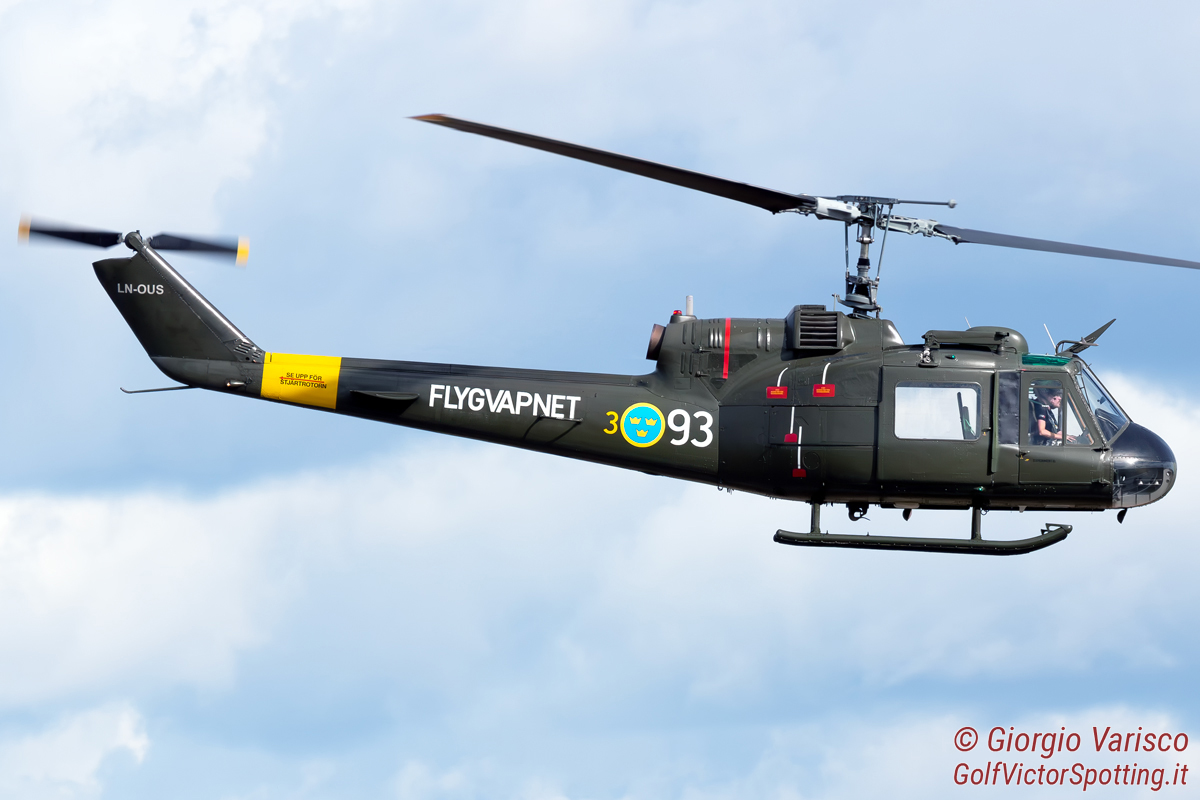
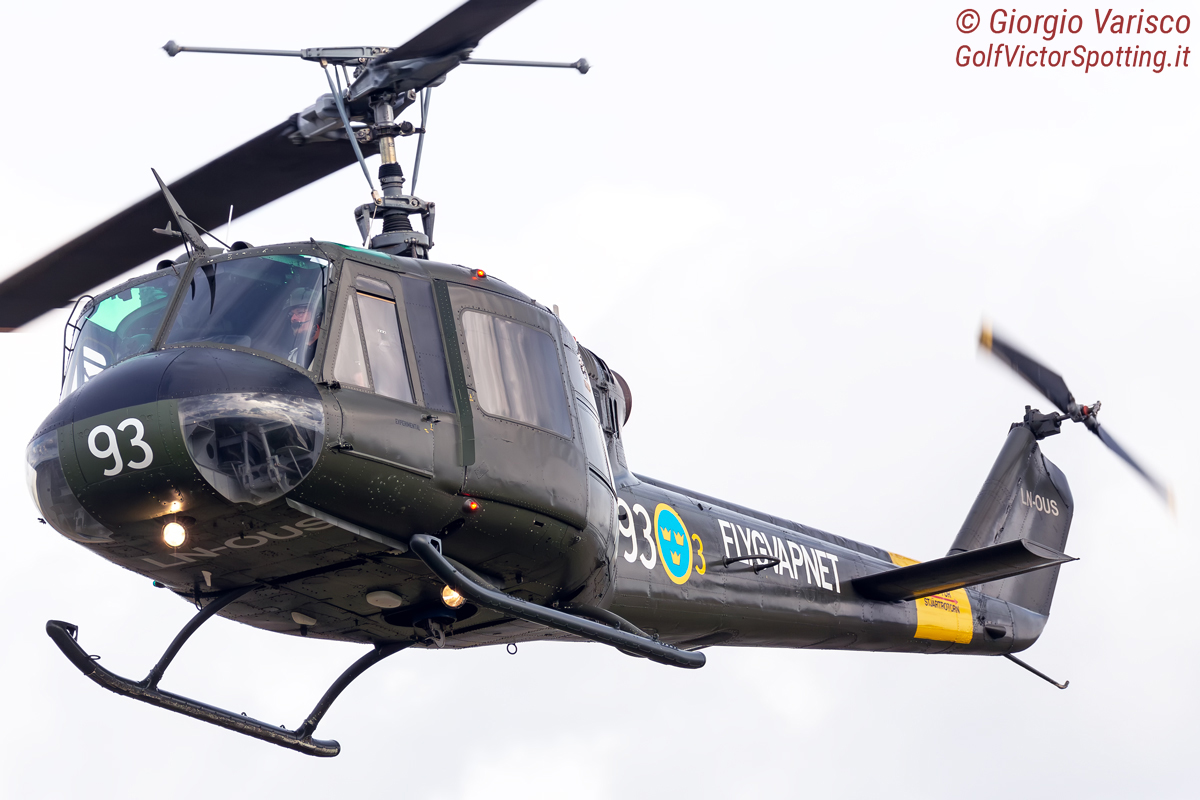
Bell UH-1E (Flygvapnet actually flew the Agusta-Bell AB.204B, Swedish designation: Hkp3)
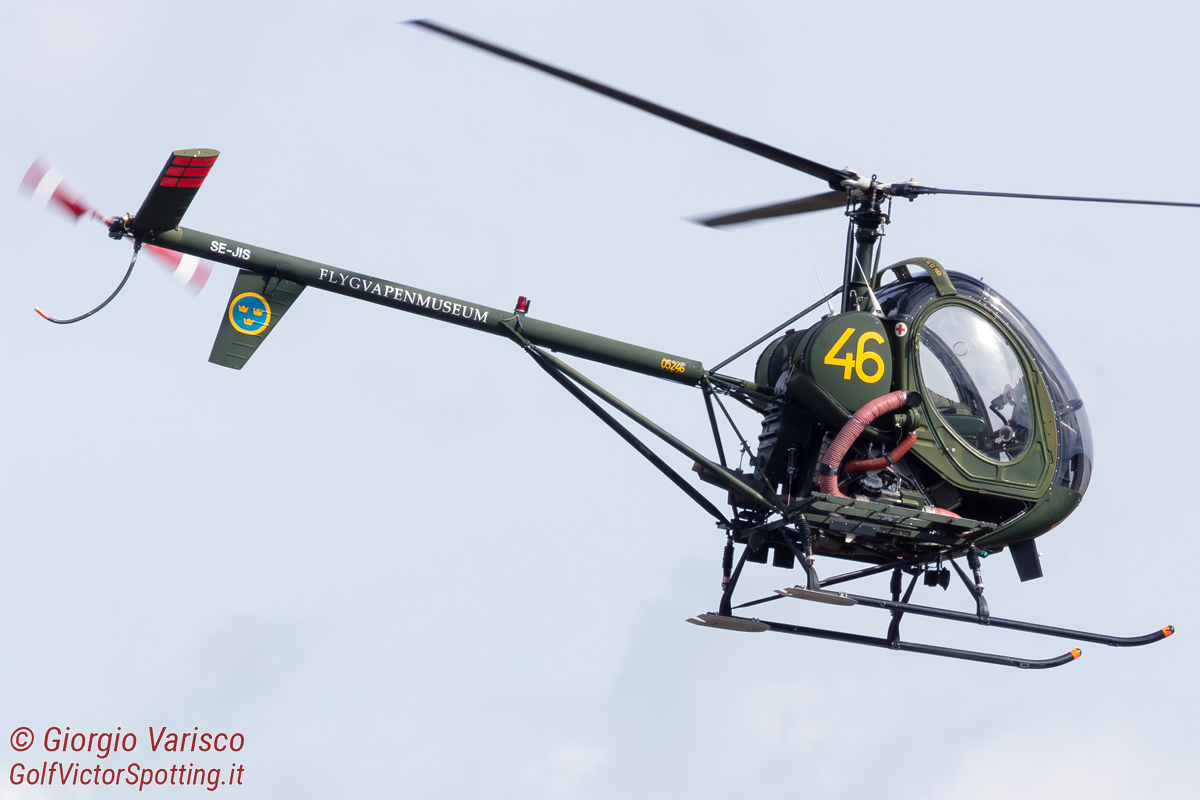
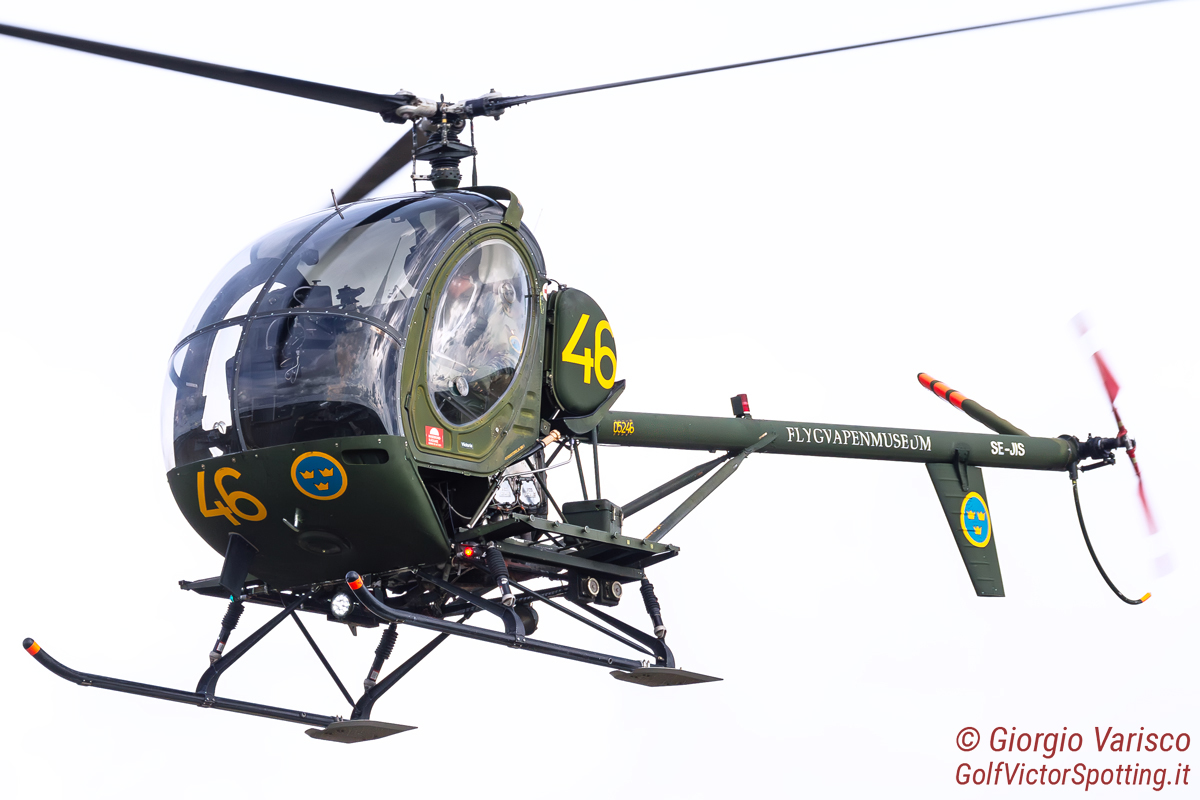
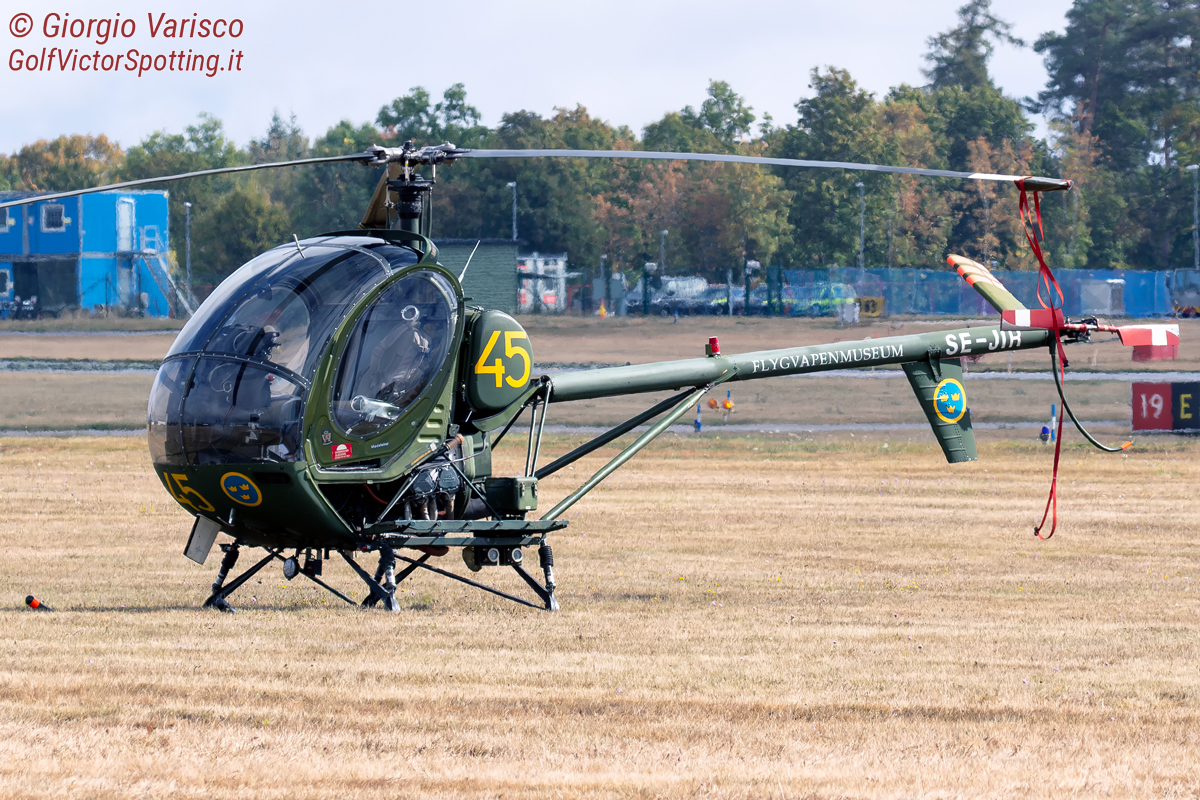
Schweizer 300 (Swedish designation: Hkp5)
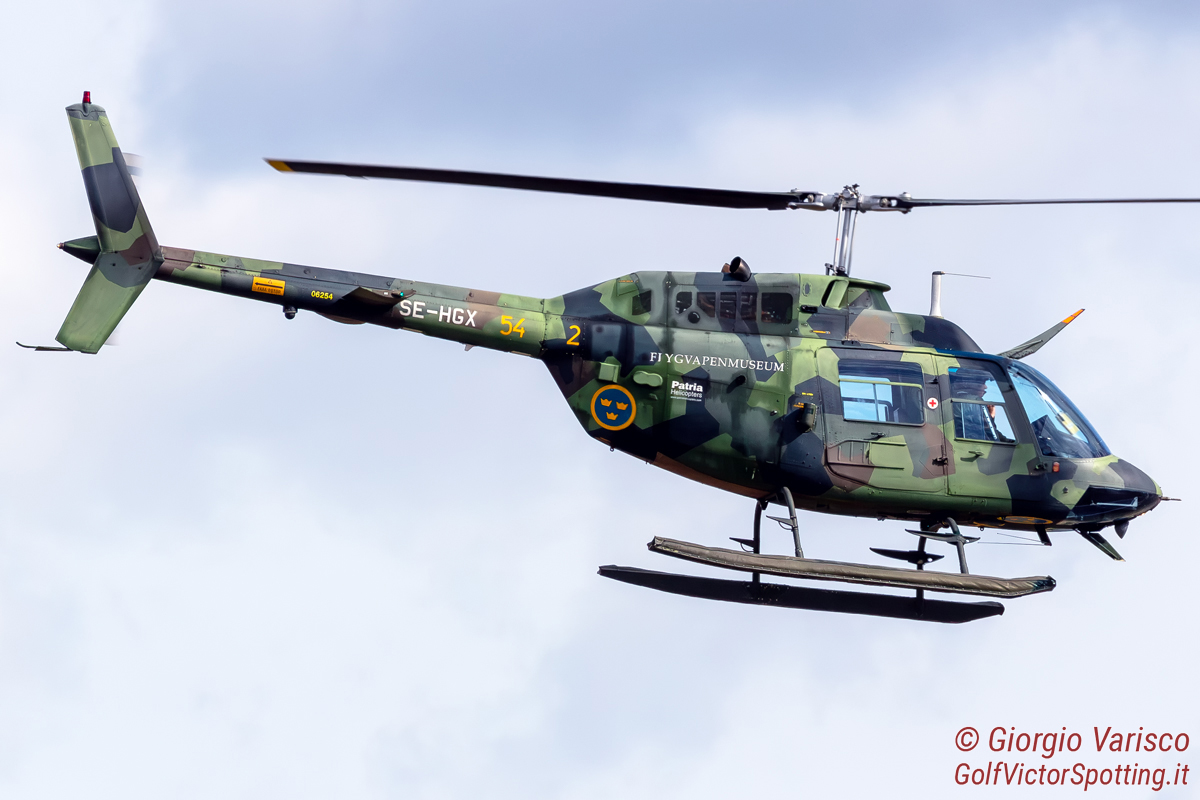
Agusta-Bell AB.206 (Swedish designation: Hkp6)
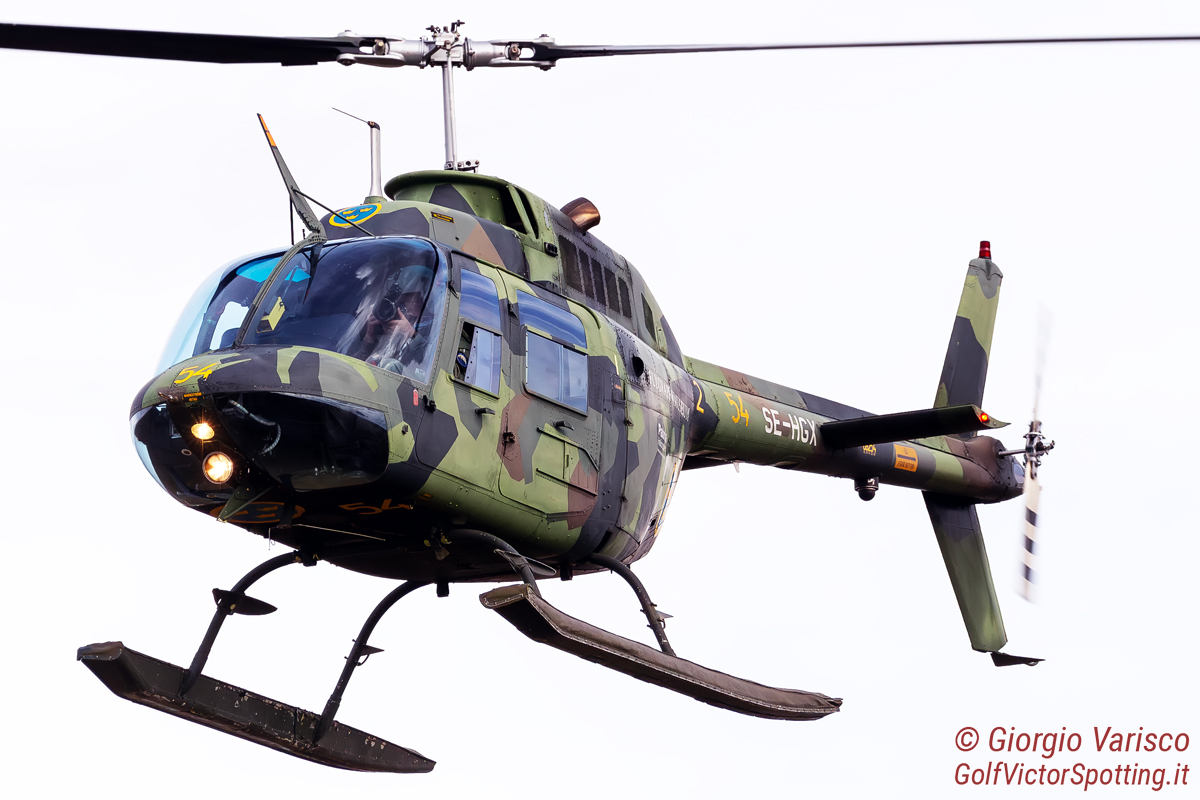
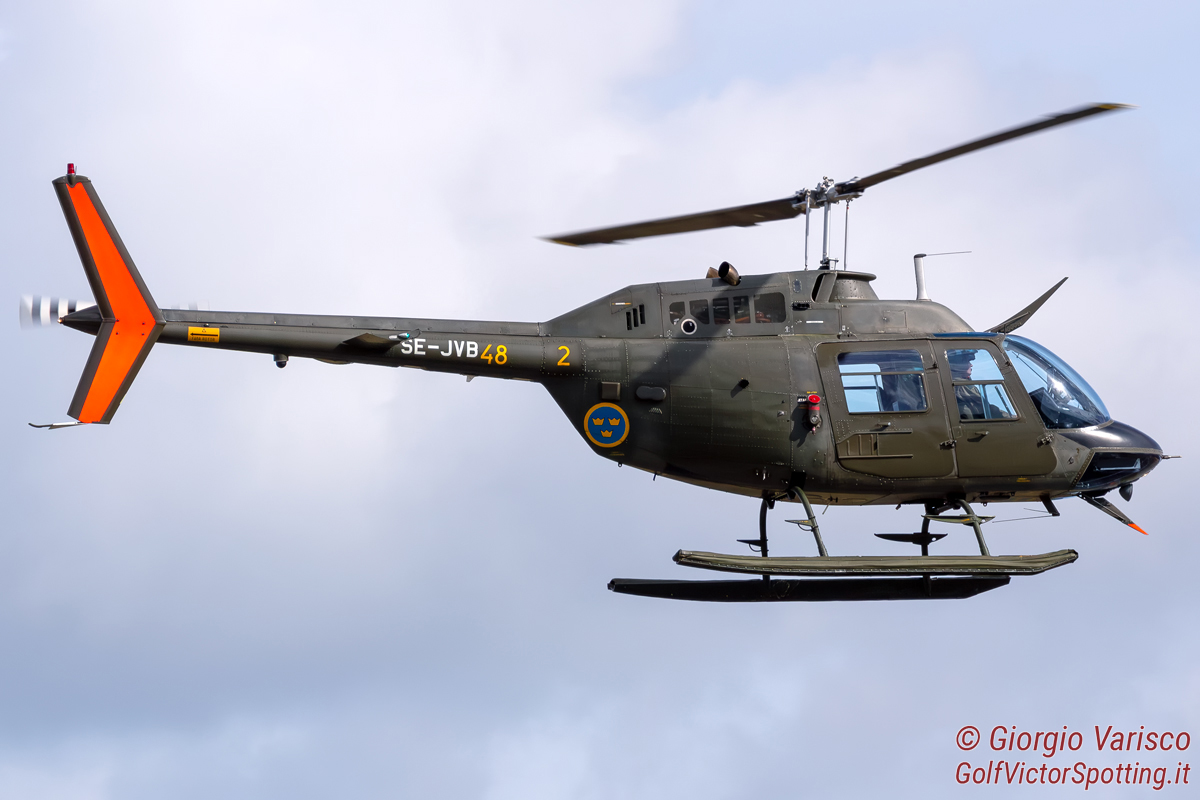
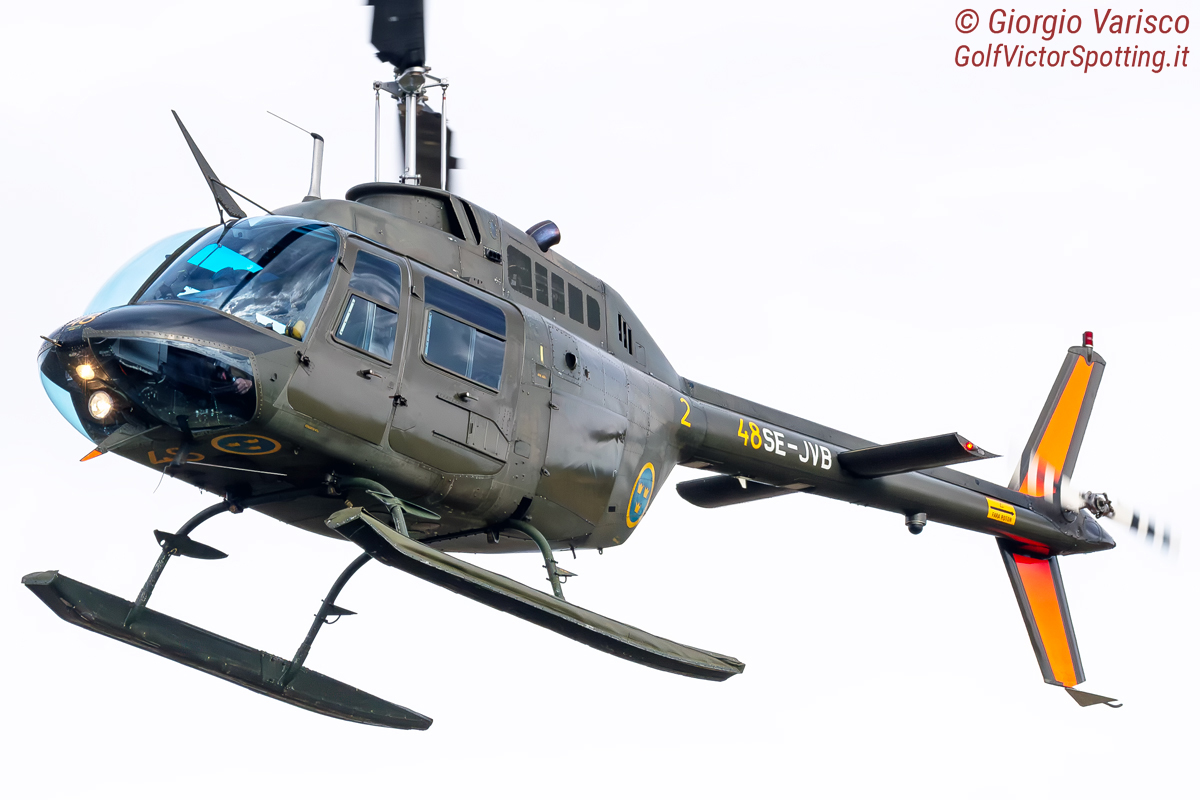
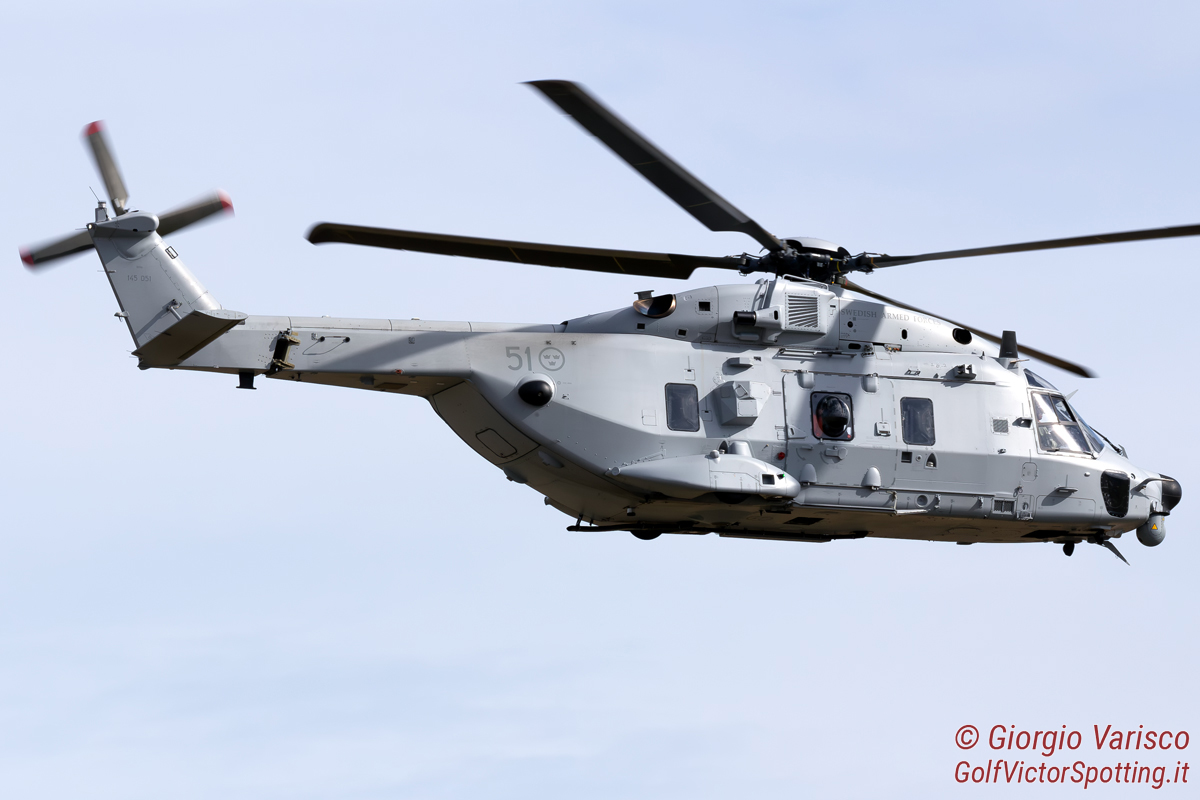
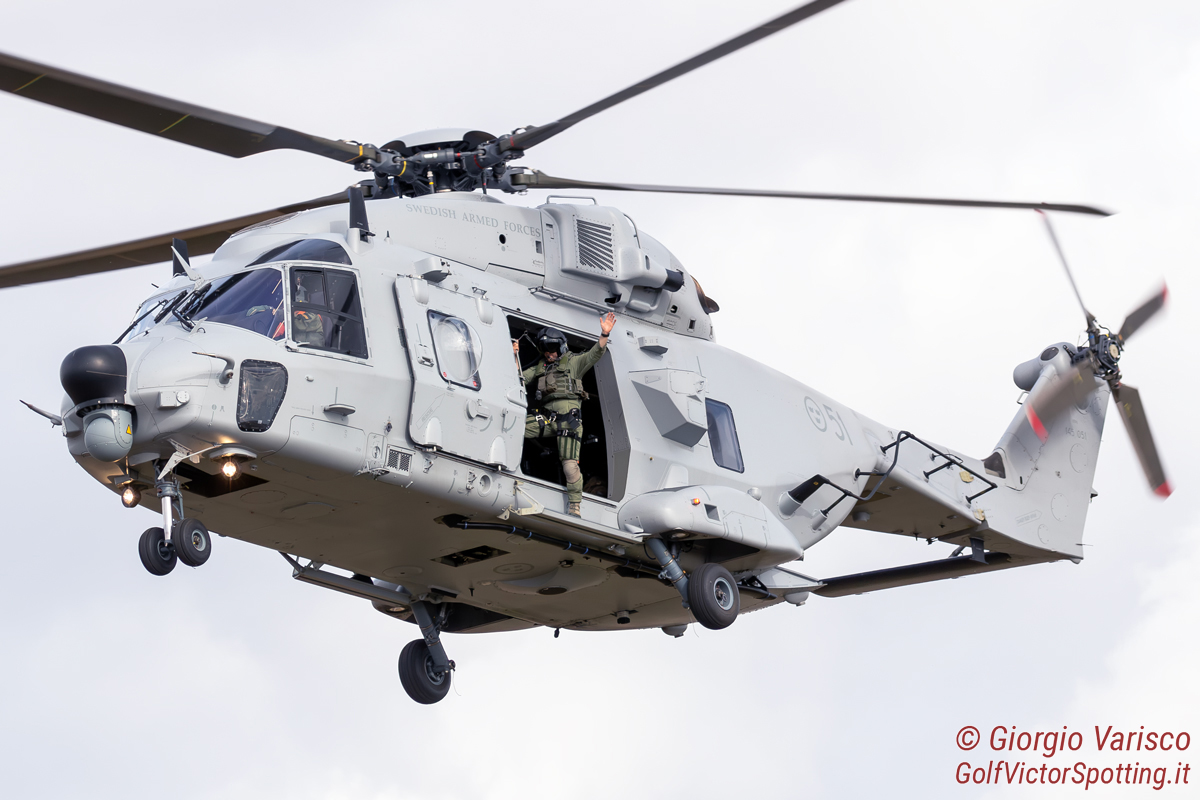
NHIndustries NH90 (Swedish designation: Hkp14)
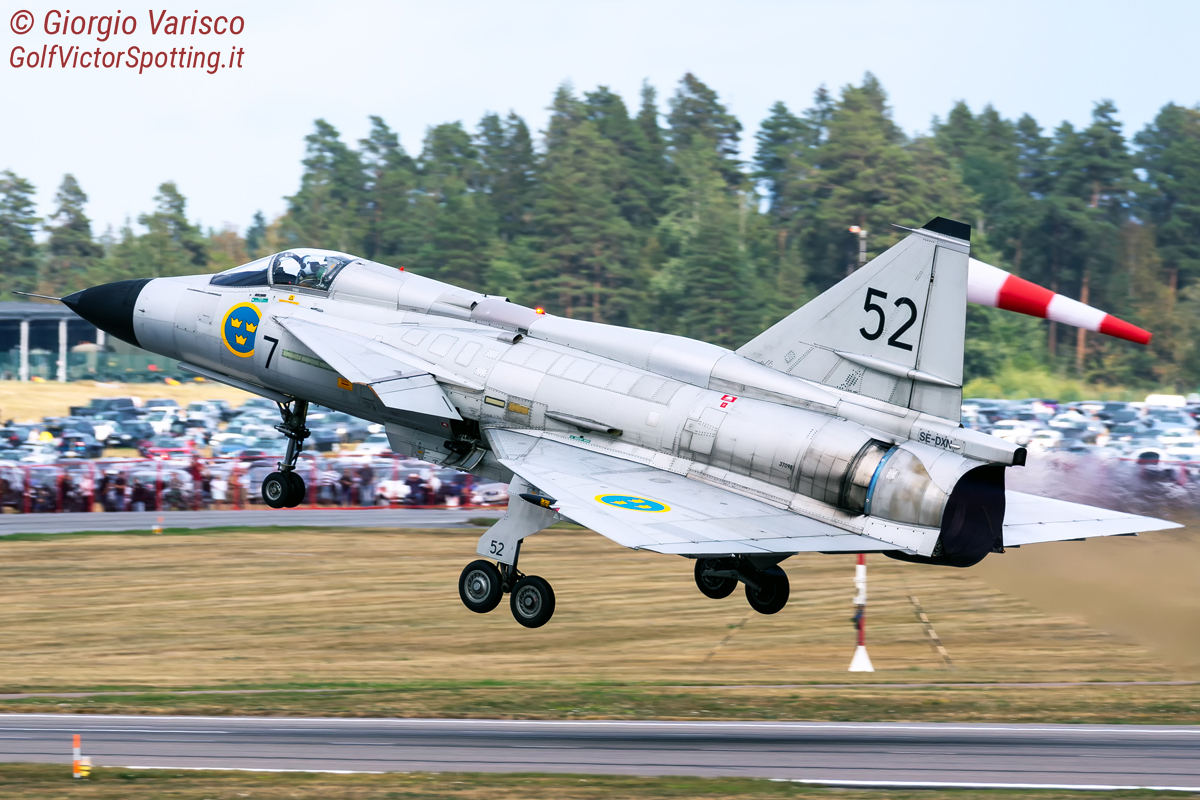
Solo display by the AJS37 Viggen operated by Swedish Air Force Historic Flight
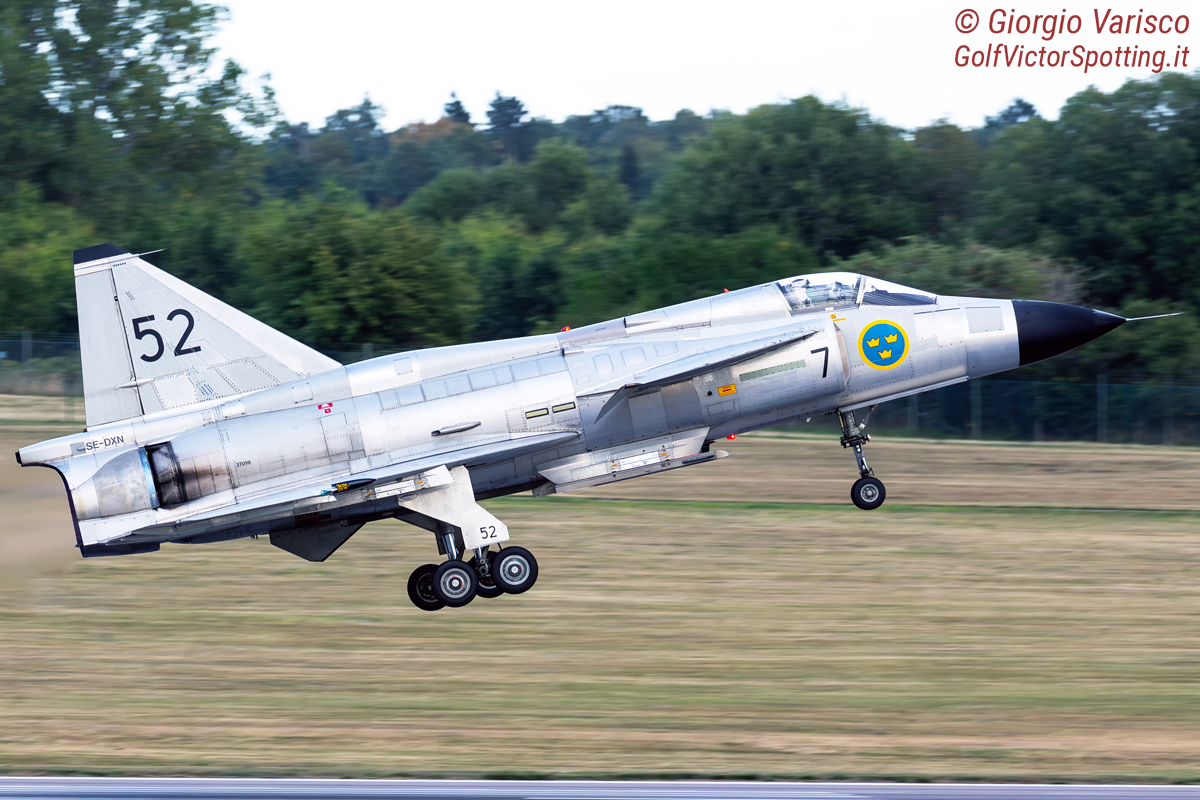
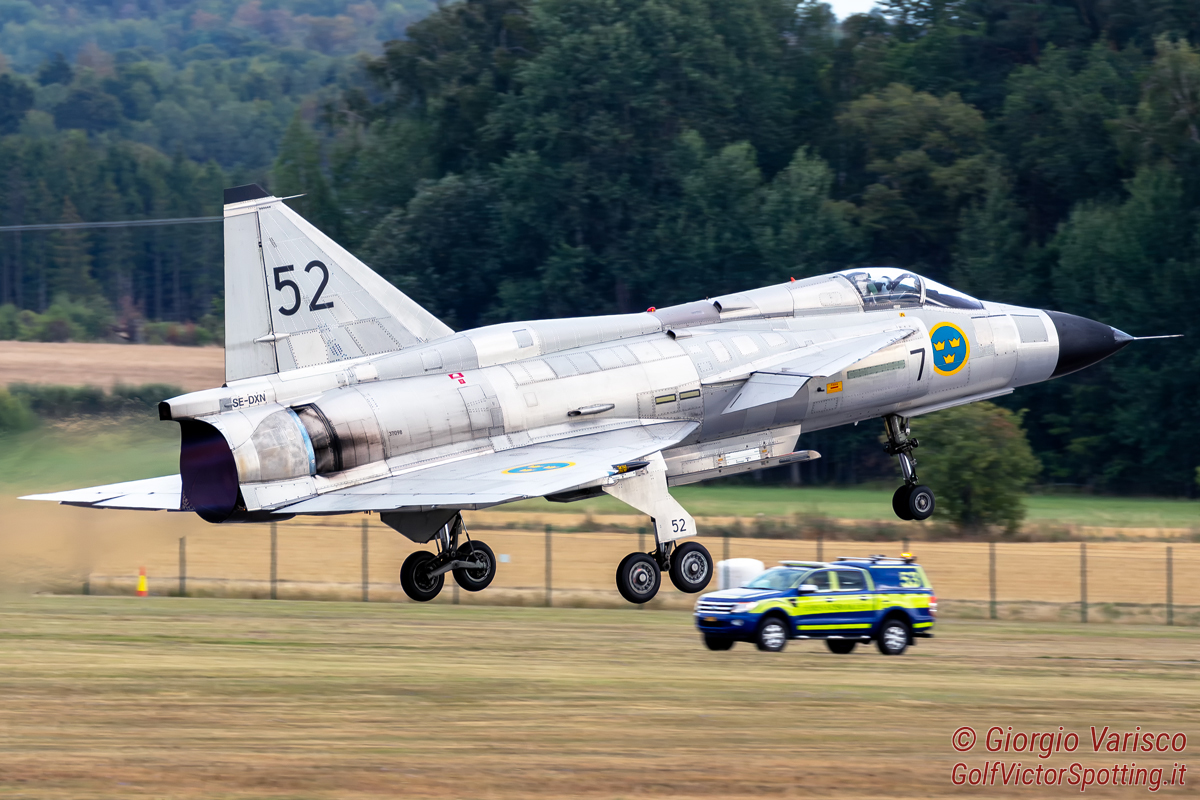
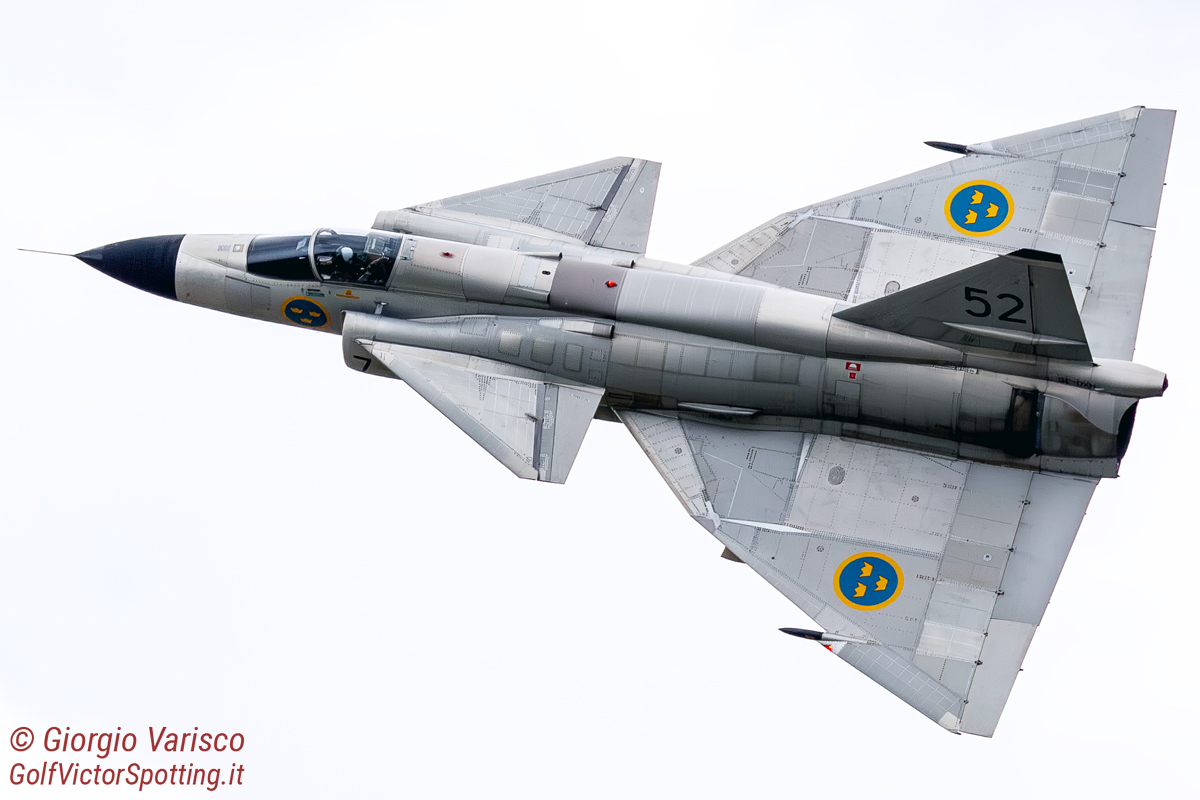
The Viggen is one of the only 3 aircraft equipped with both afterburners and thrust reversers (the other ones being the Tornado and the Concorde). It has impressive short field capabilites, since it was designed to operate from roads. The display ended with a short field landing…
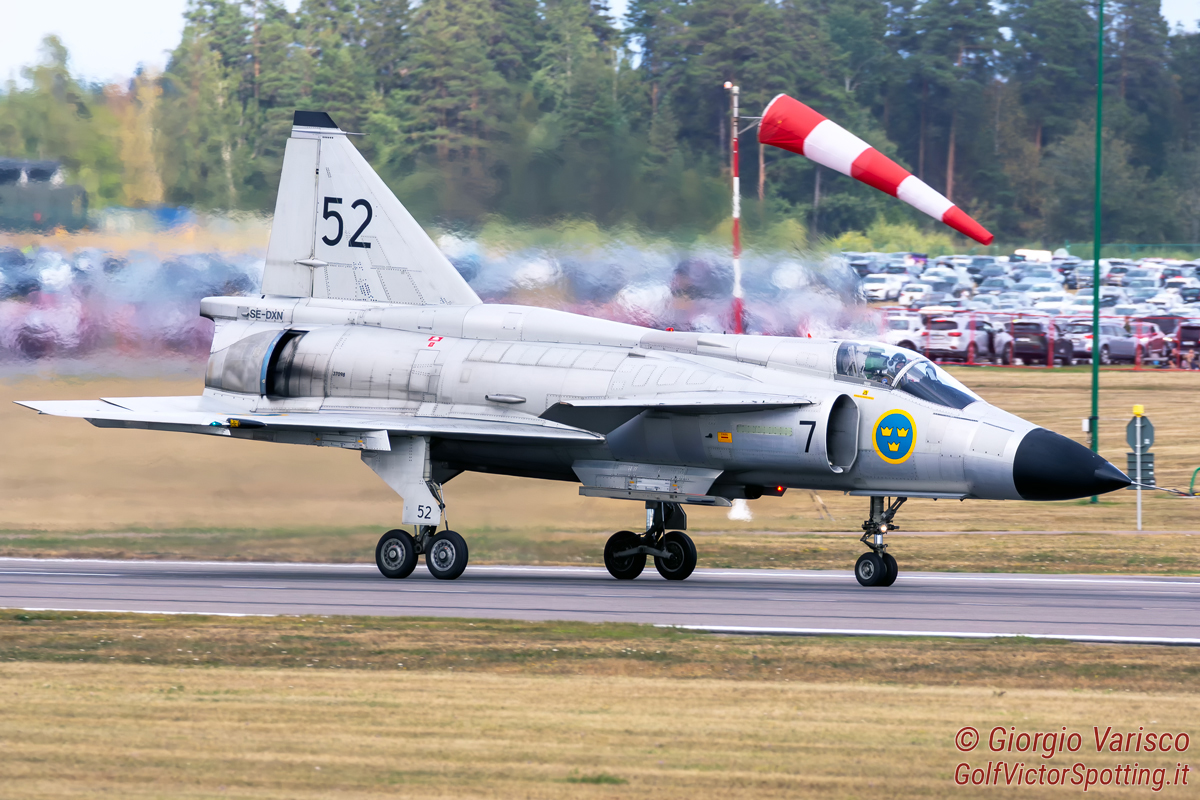
…followed by a 180° turn, some “reversing” and a takeoff in the opposite direction.
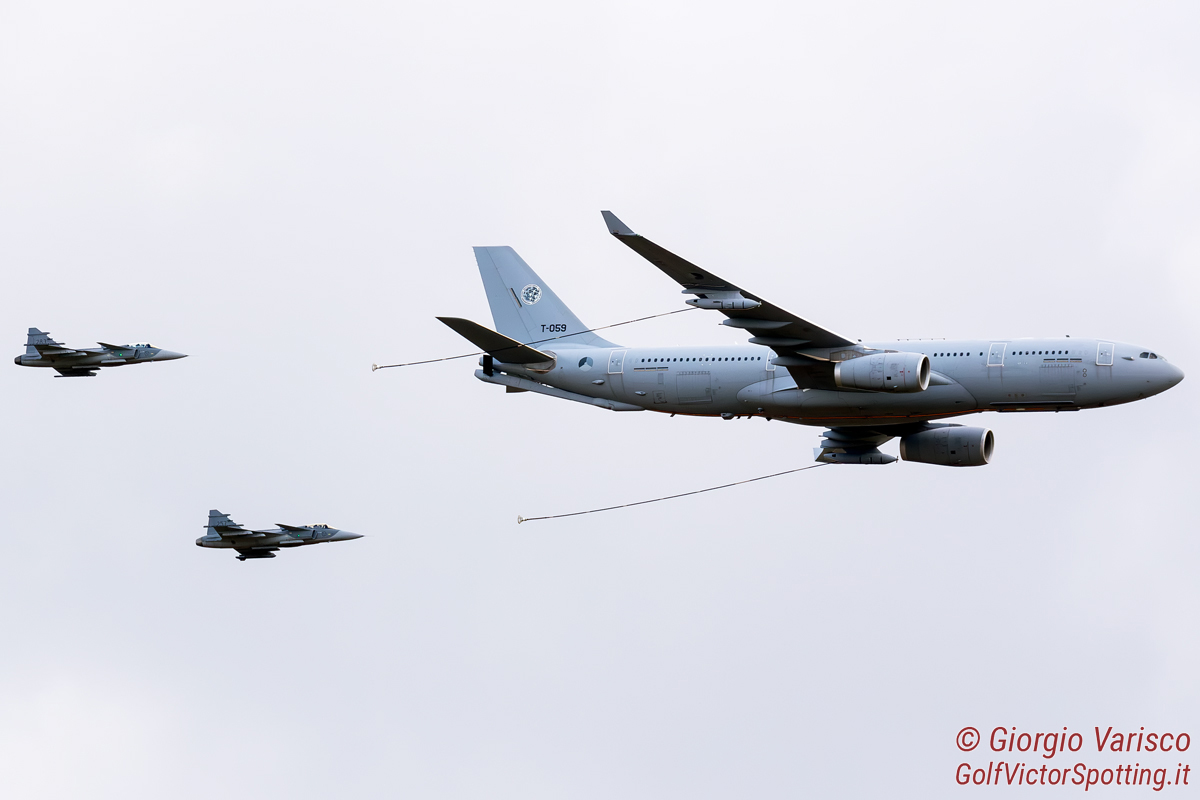
Airbus A330 MRTT tanker belonging to NATO Multinational MRTT Fleet, simulating air-to-air refueling of 2 Gripen. After refueling, the Gripens simulated a dogfight.
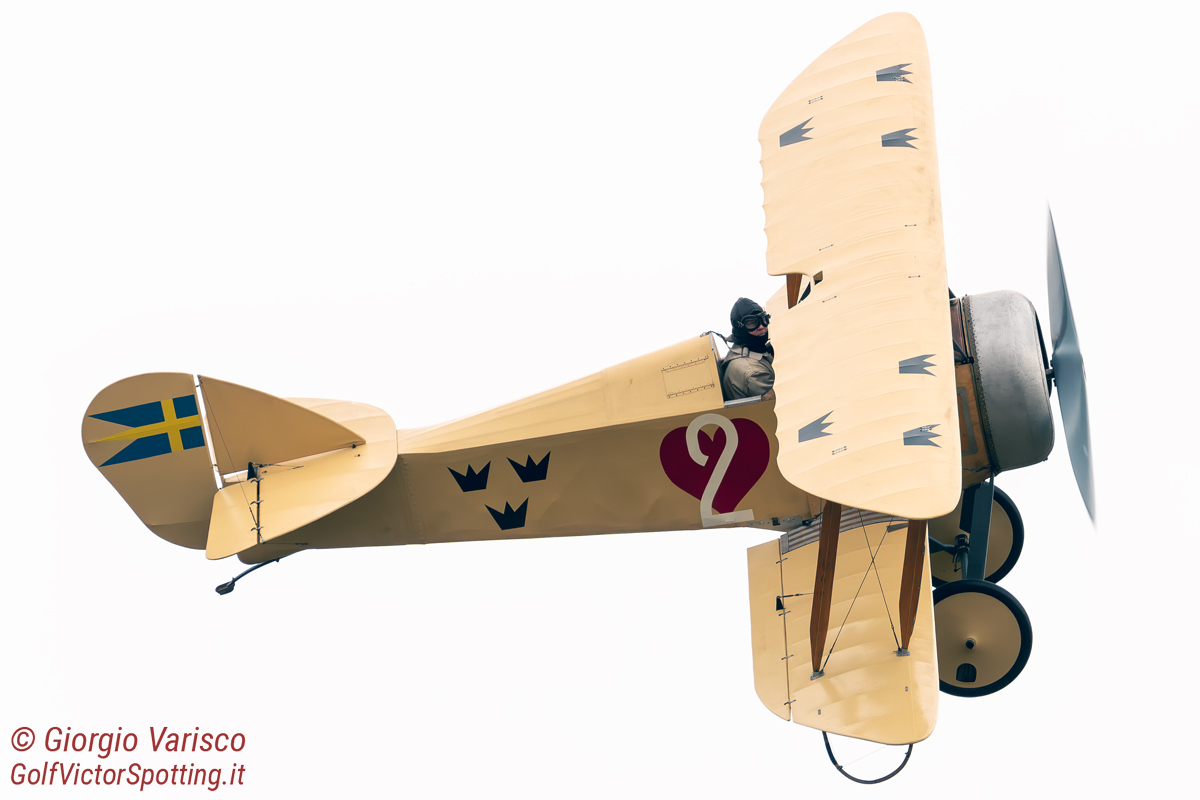
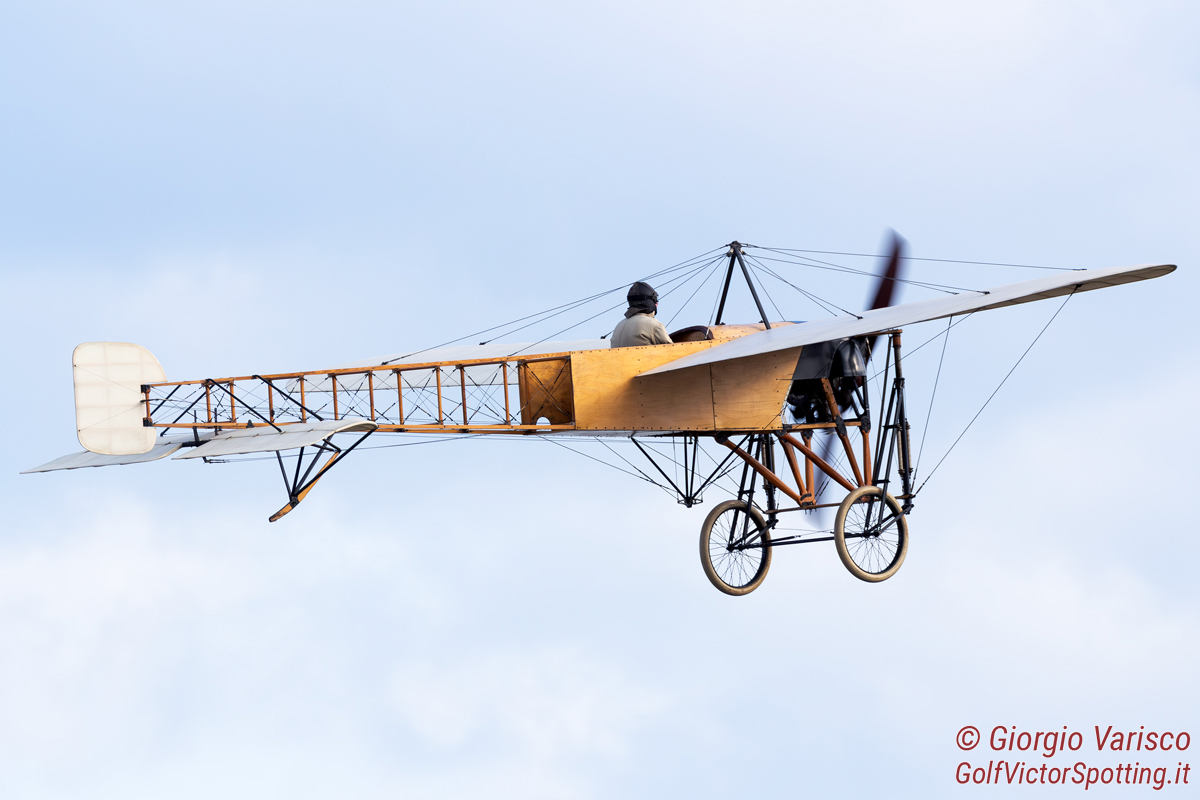
Mikael Carlson closed the displays flying one of his 2 original 1918-built Thulin A (Swedish license-built version of the Blériot XI)! 108 years-old, this is the oldest airworthy aircraft I have ever seen!
The extensive static display. Swedish assets:
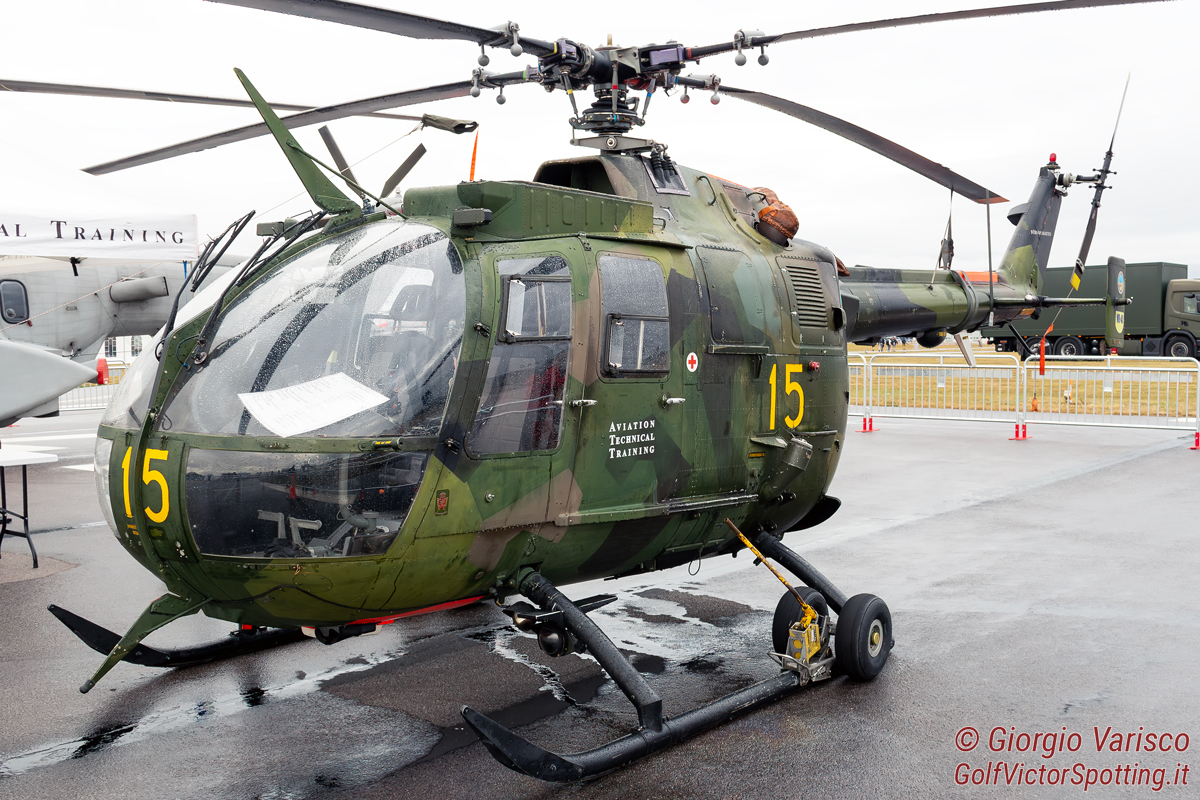
MBB Bo 105 (Swedish designation: Hkp9)
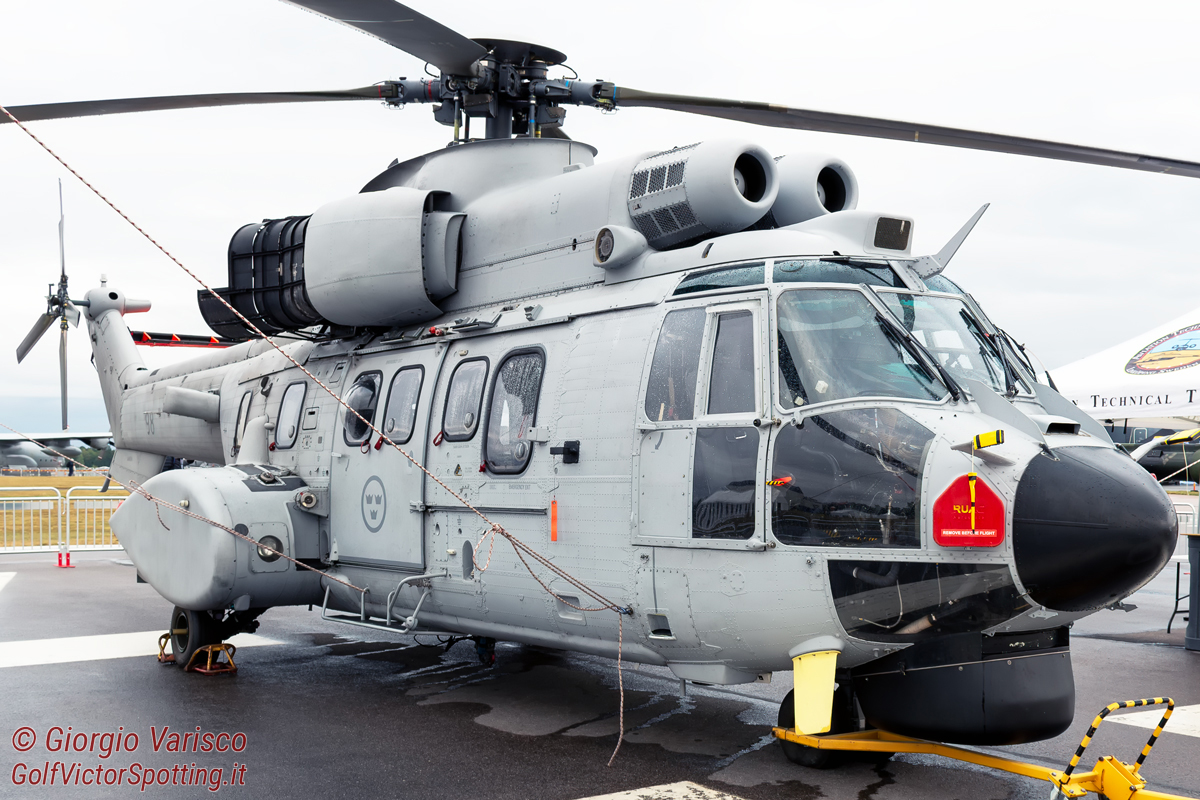
Eurocopter Super Puma (Swedish designation: Hkp10)
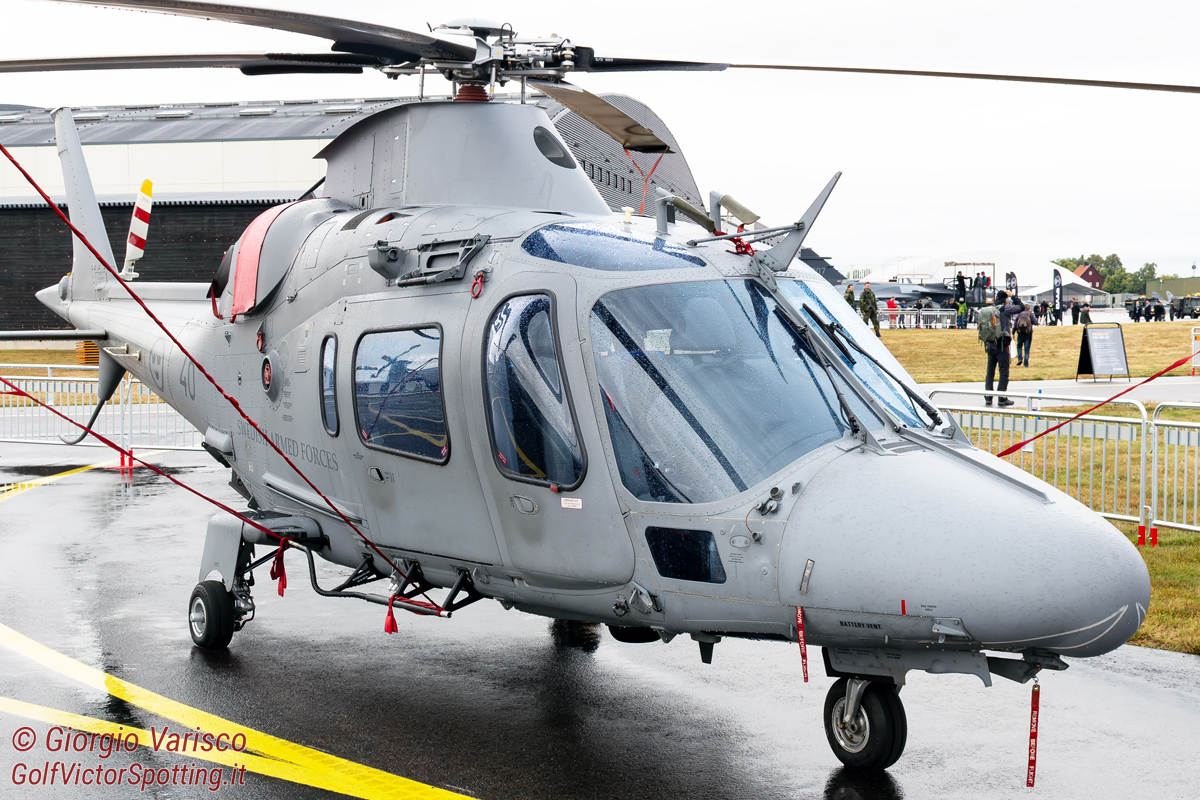
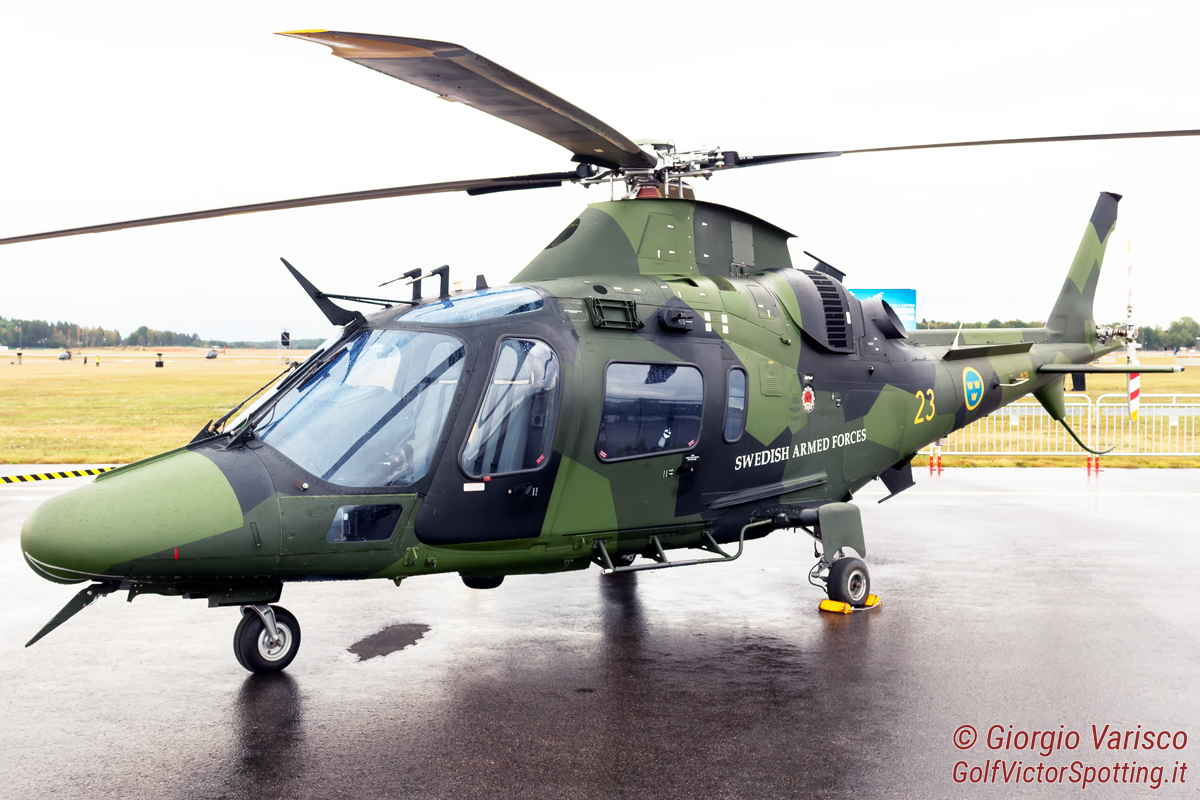
Agusta Hkp15
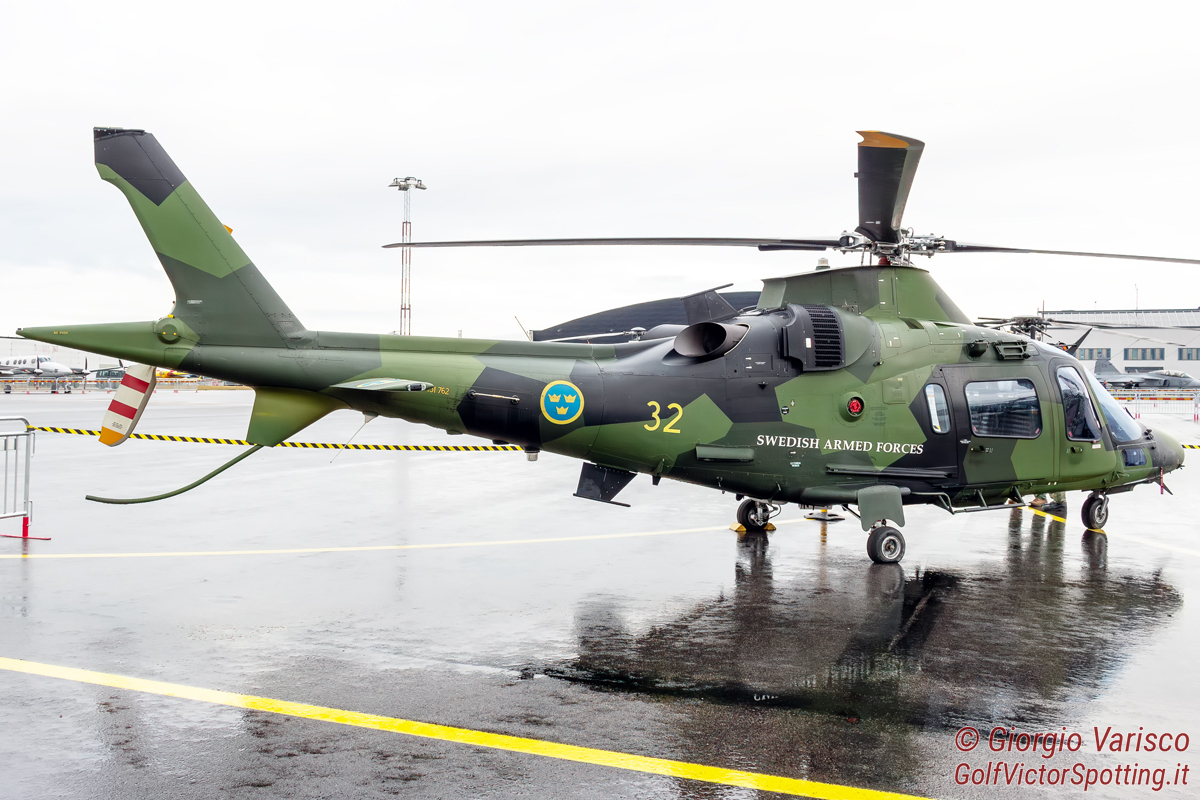
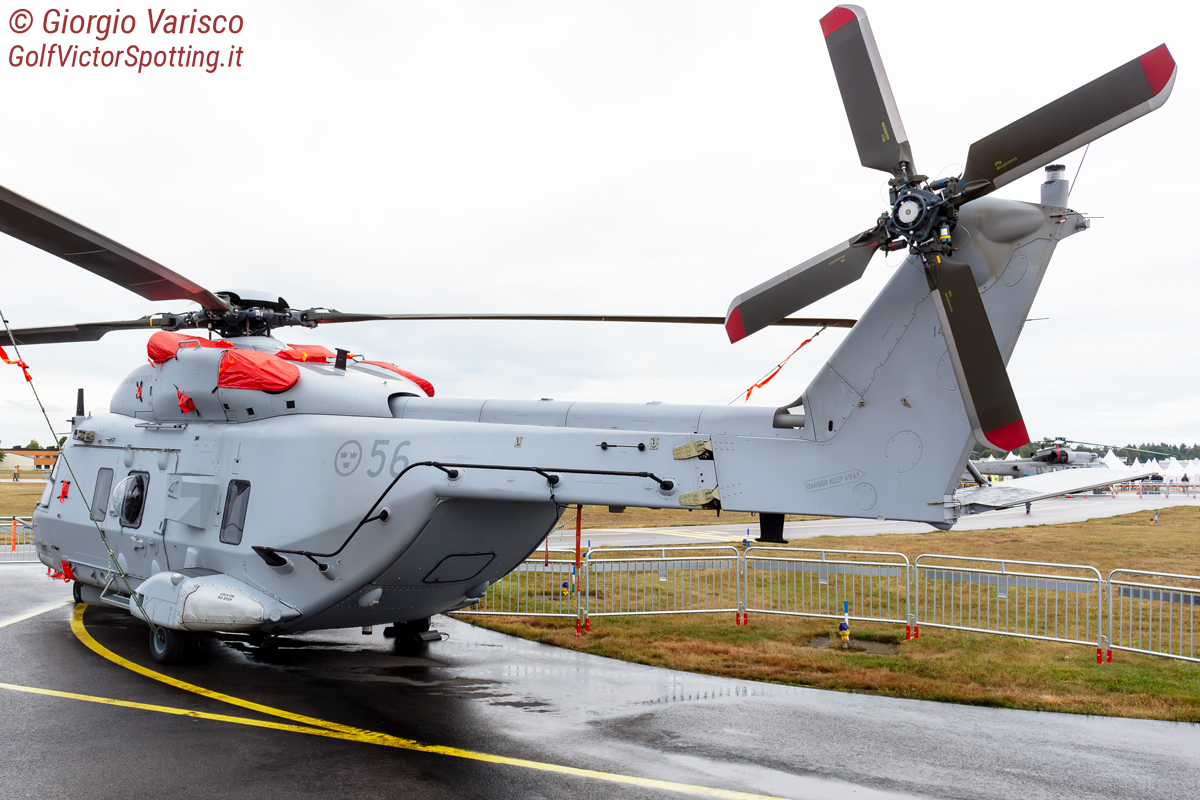
NHIndustries Hkp14
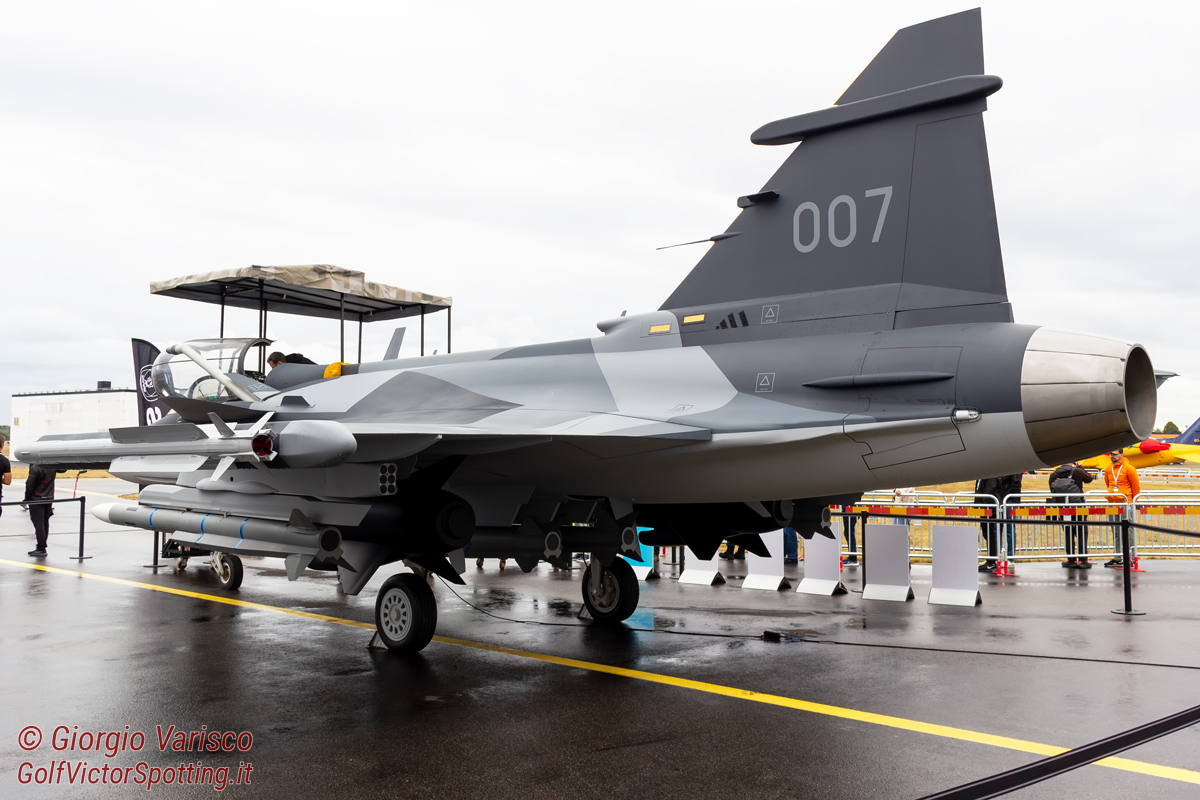
SAAB JAS39E Gripen mock-up with a real cockpit
SAAB A3-001 “loyal wingman” drone mock-up, unveiled during the show

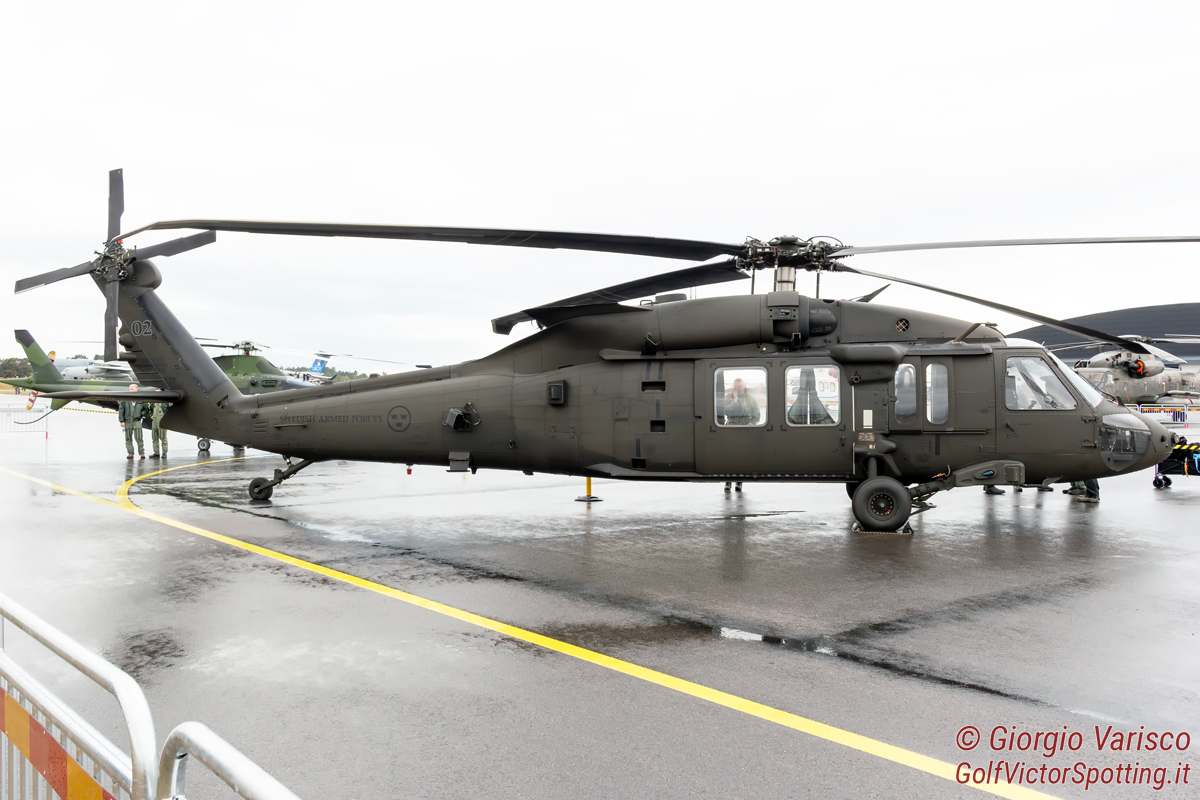
Sikorsky Hkp16 Black Hawk
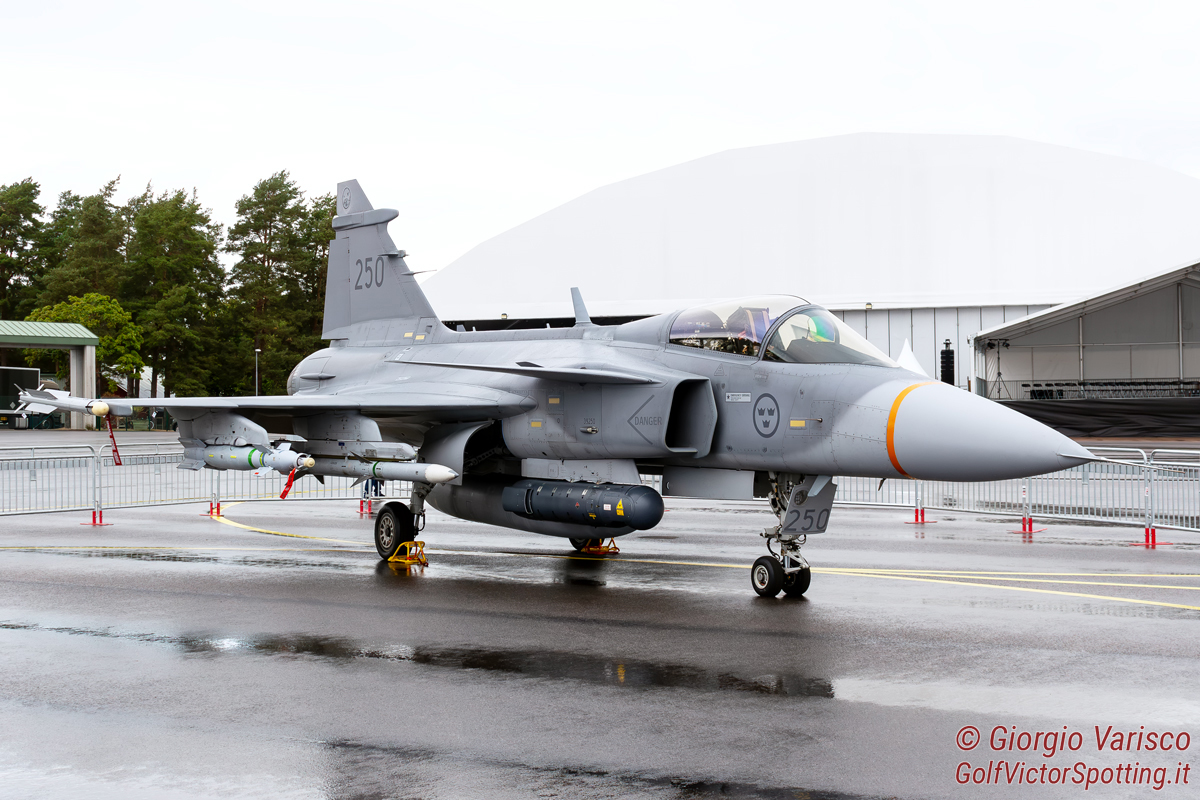
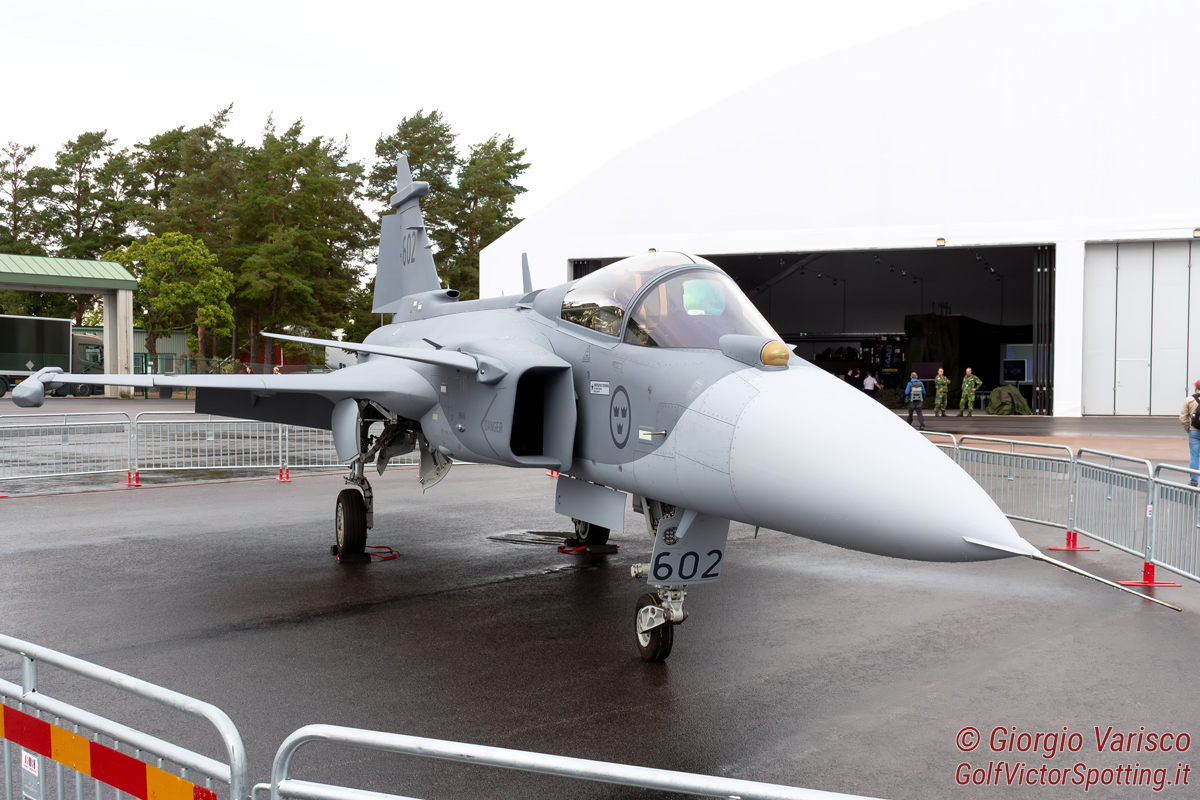
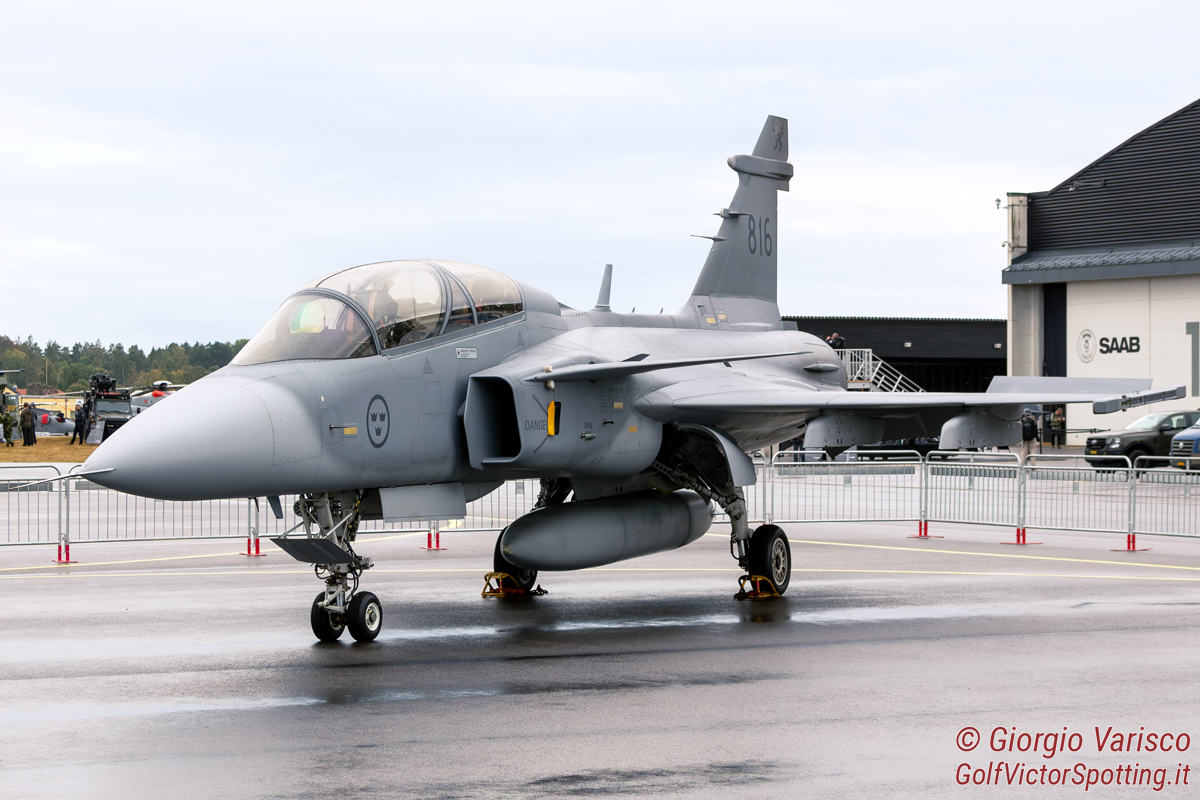
Several JAS39C (single-seater) and JAS39D (twin-seater) Gripen
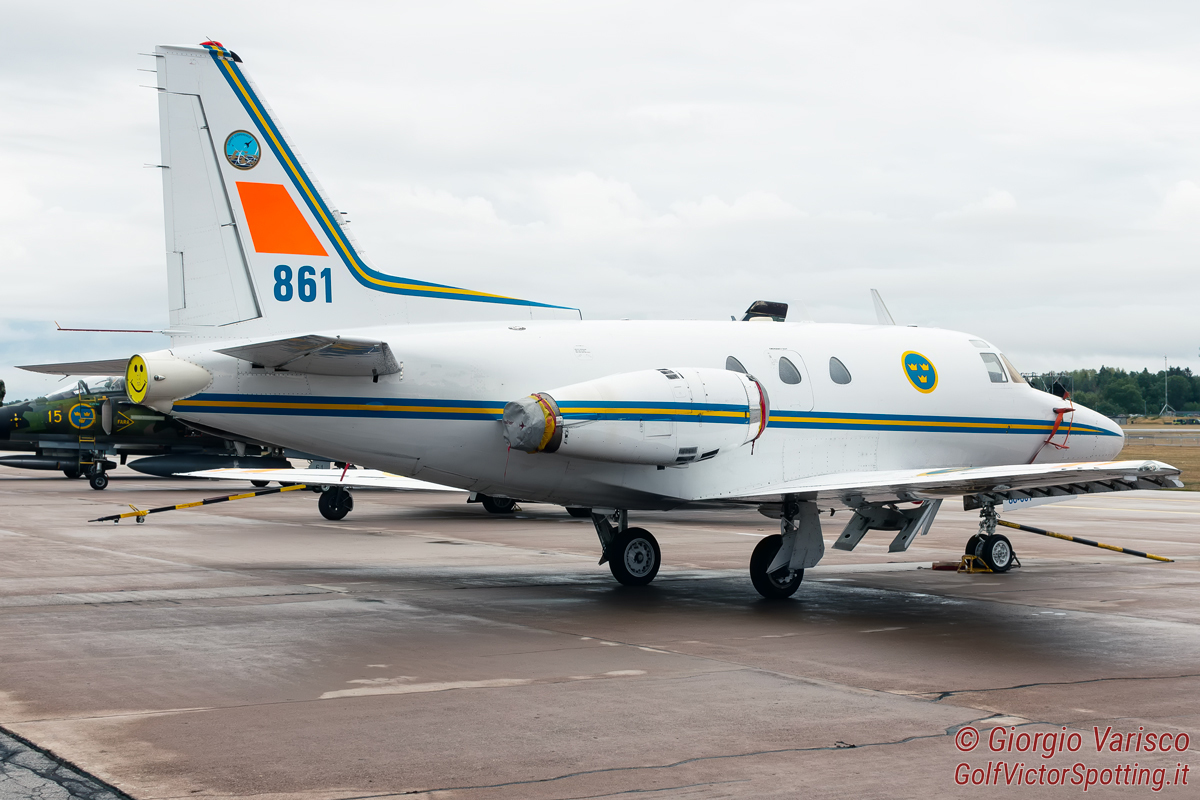
North American Sabreliner (Swedish designation: Tp86) used for in-flight tests
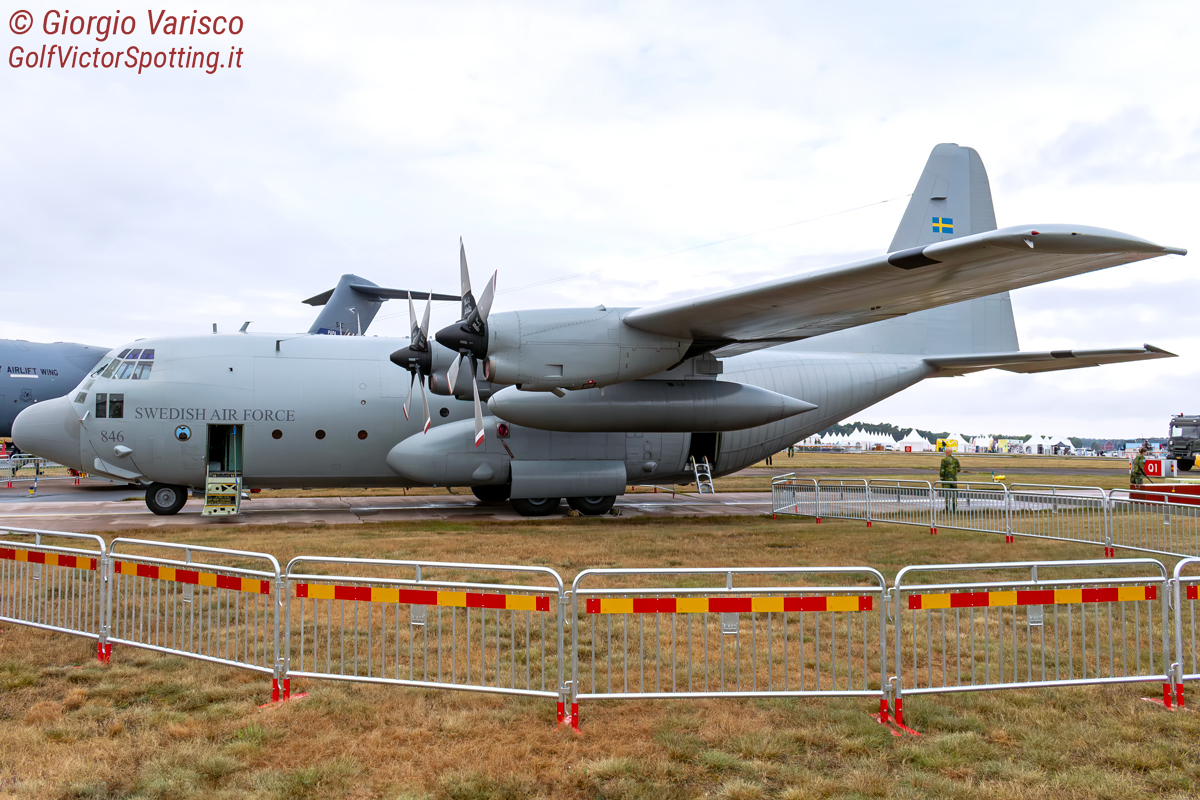
Lockheed C-130H Hercules (Swedish designation: Tp84)
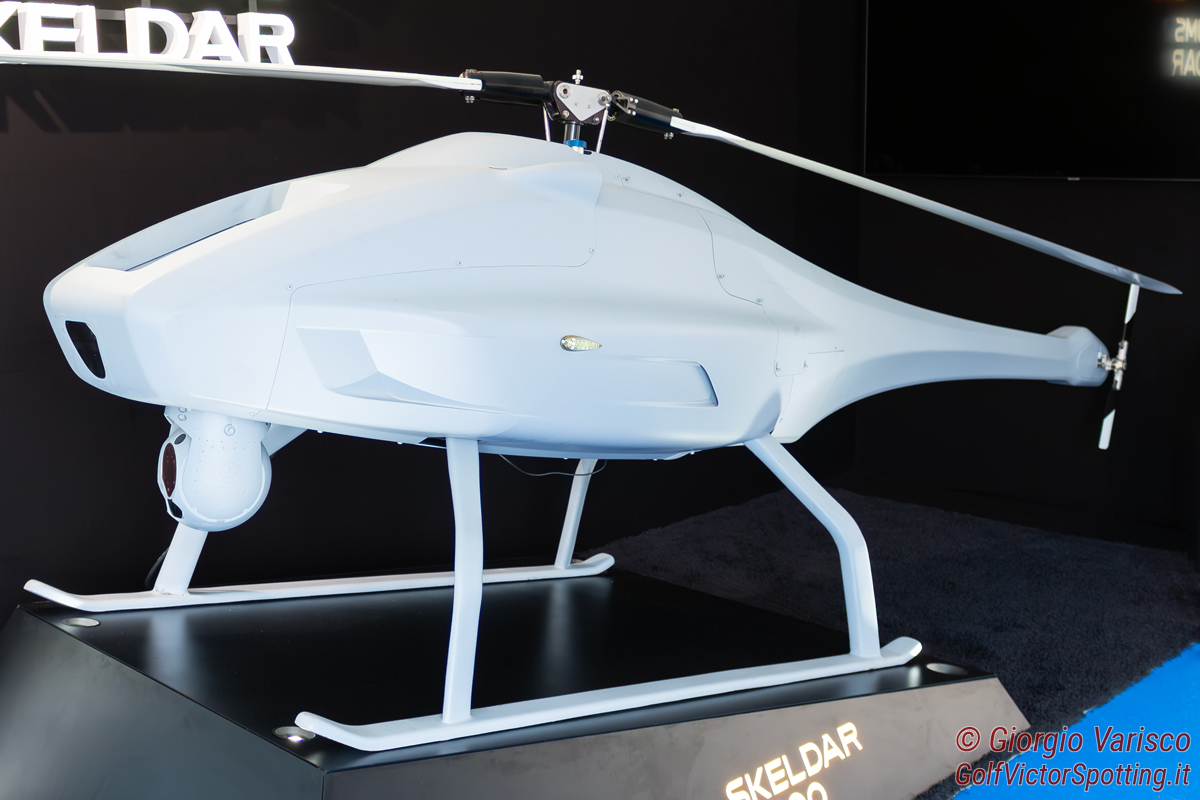
Skeldar 200 drone
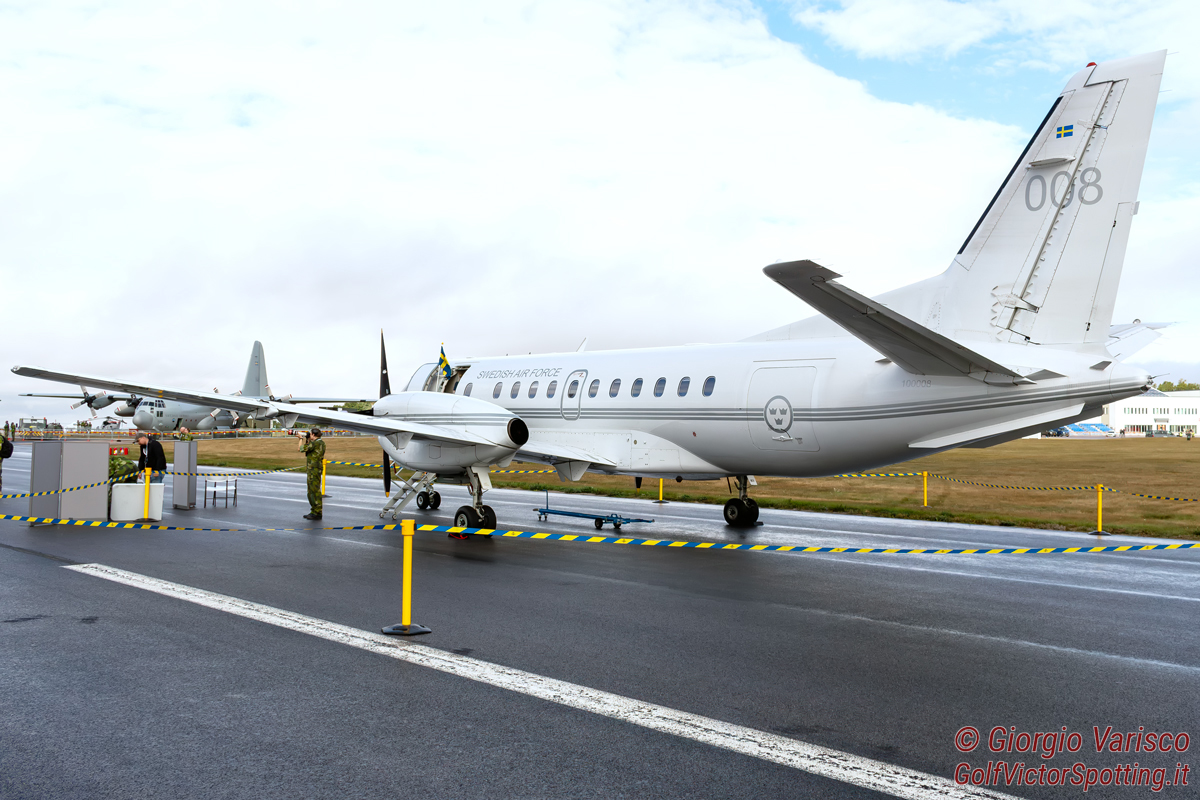
SAAB 340 (Swedish designation: Tp100)
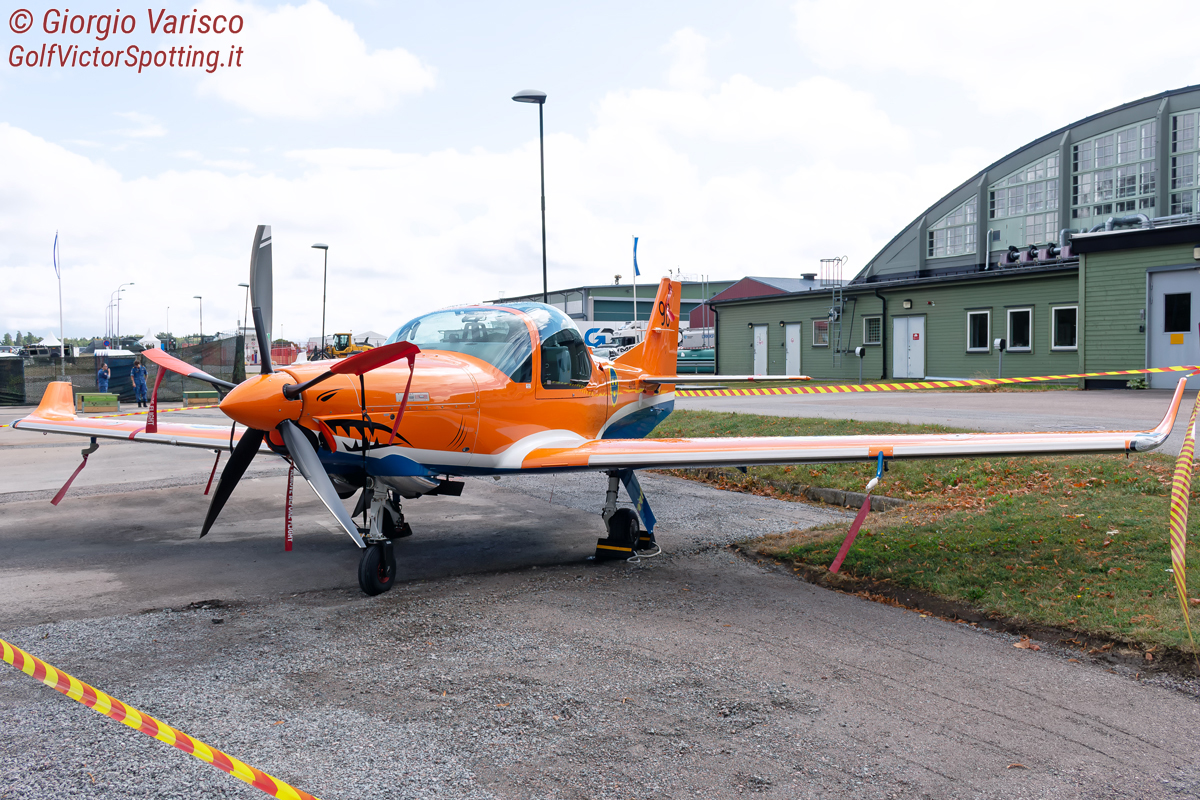
Grob Sk40
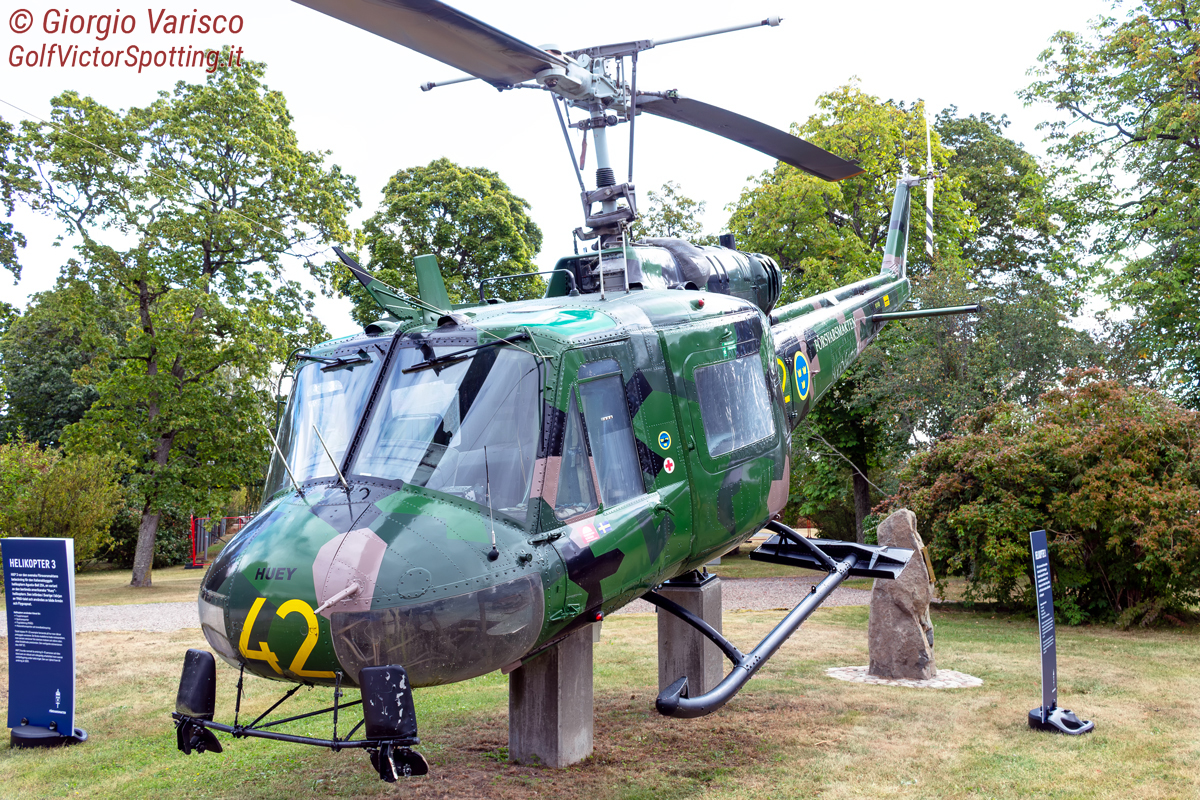
One of the base gate guardians, Agusta-Bell Hkp3
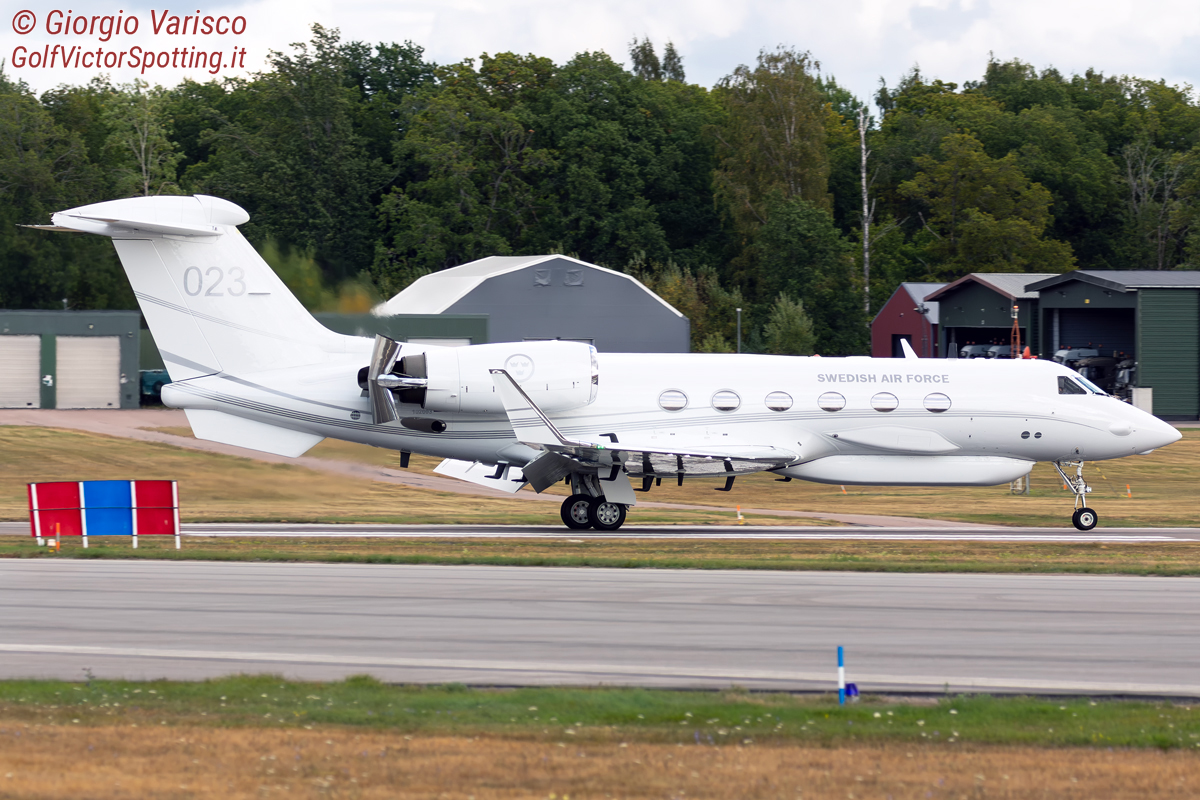
Gulfstream IV-SP Korpen (Swedish designation: S102), ELINT (ELectronic INTelligence) reconnaissance version
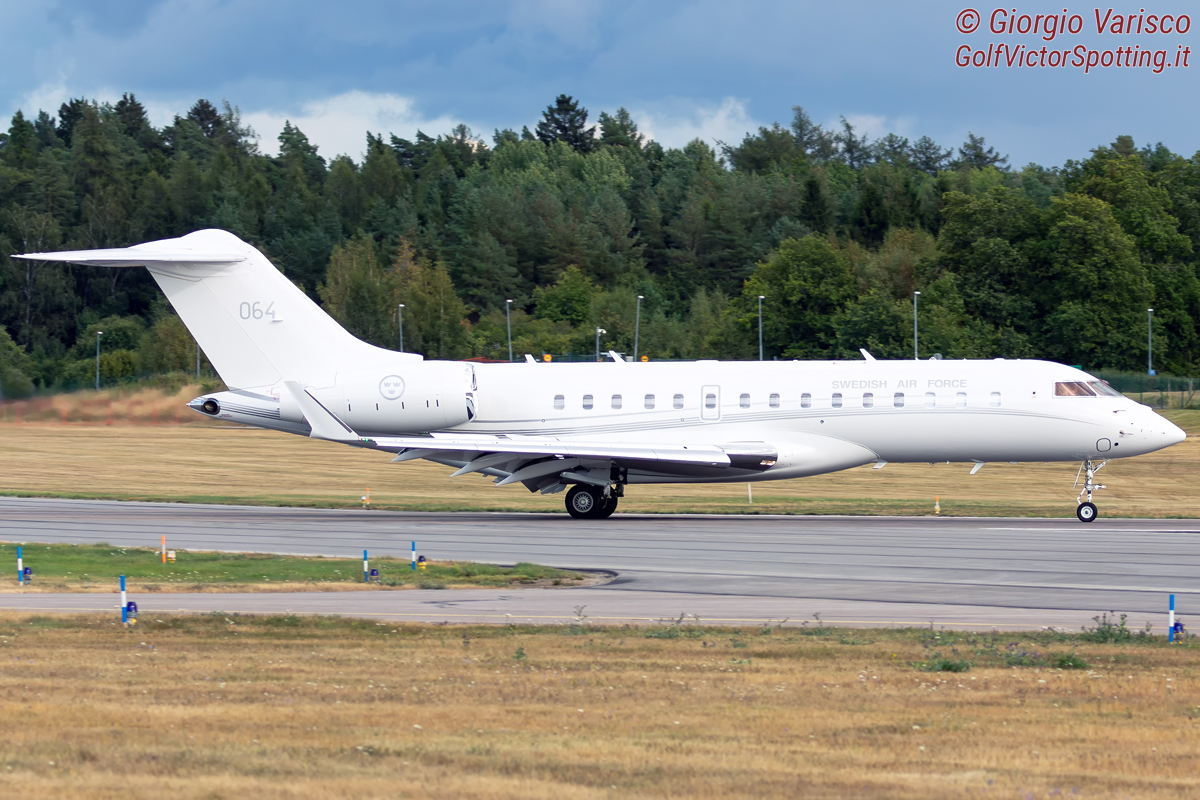
Bombardier Global 6500 (Swedish designation: Tp106)
Assests operated by SAAB for target towing:
Learjet 35A
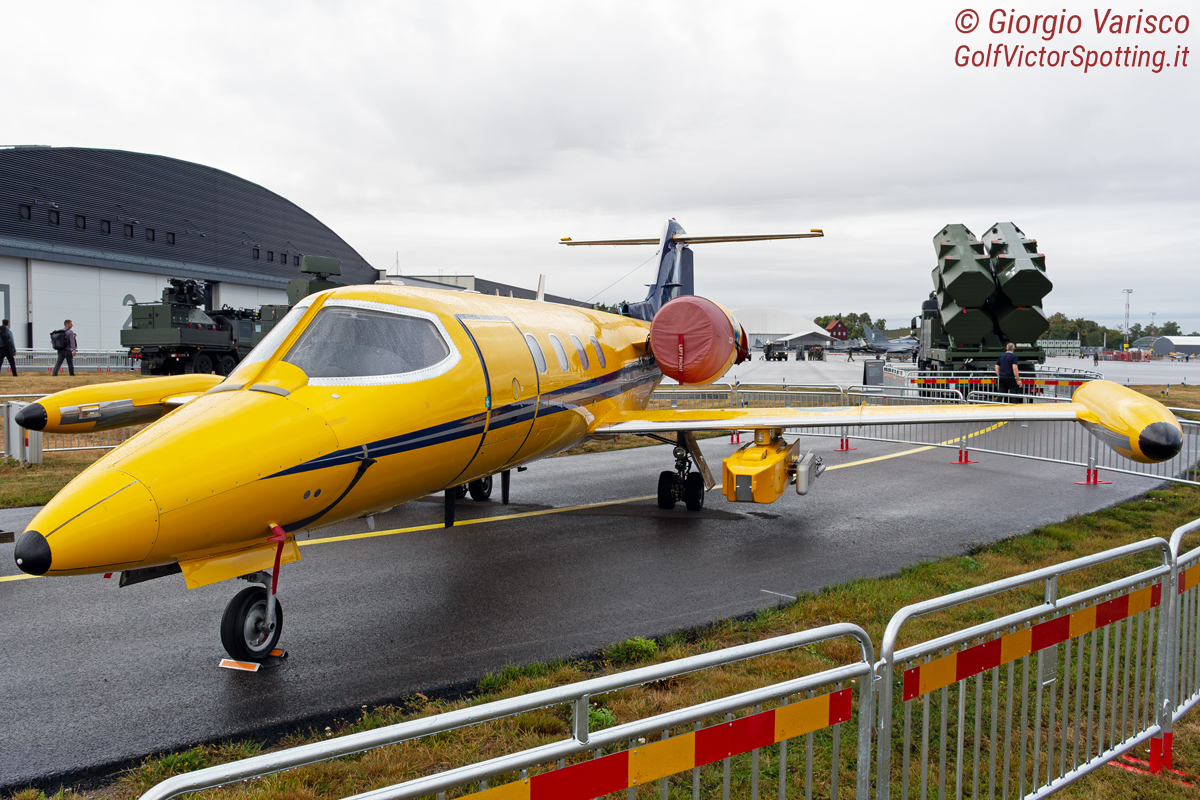
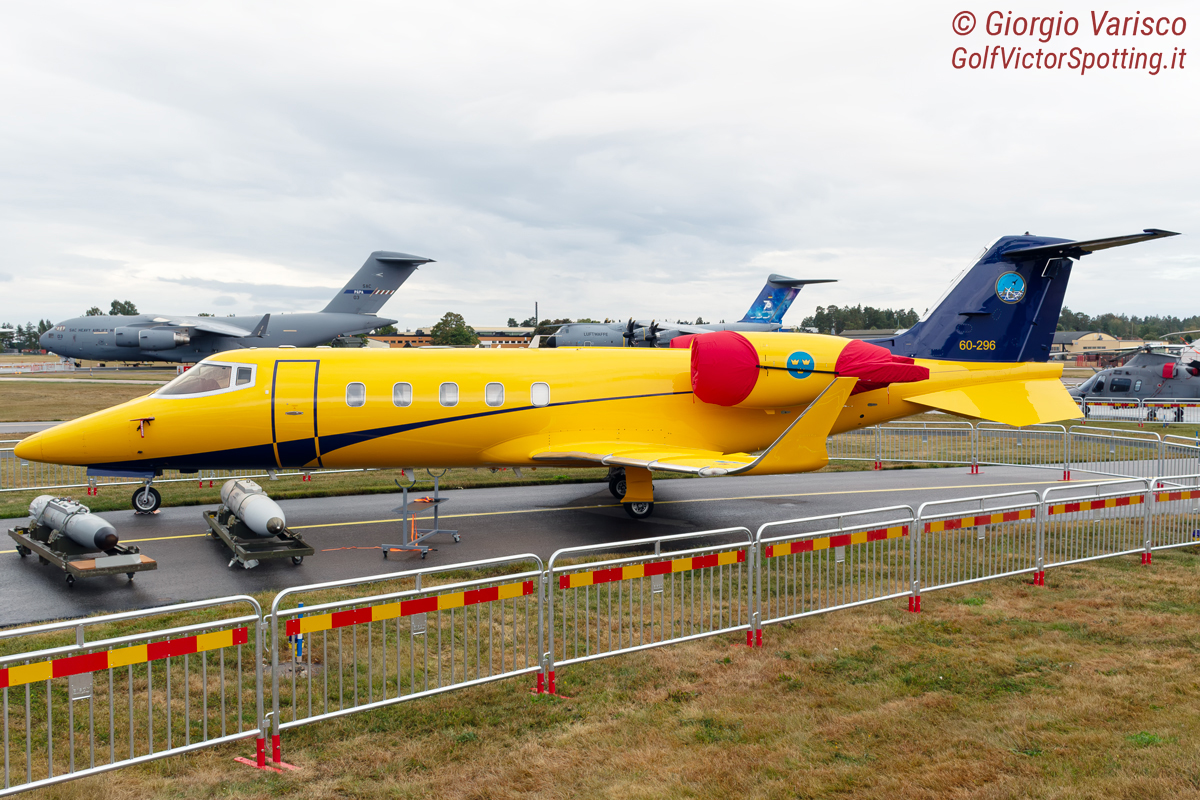
Learjet 60
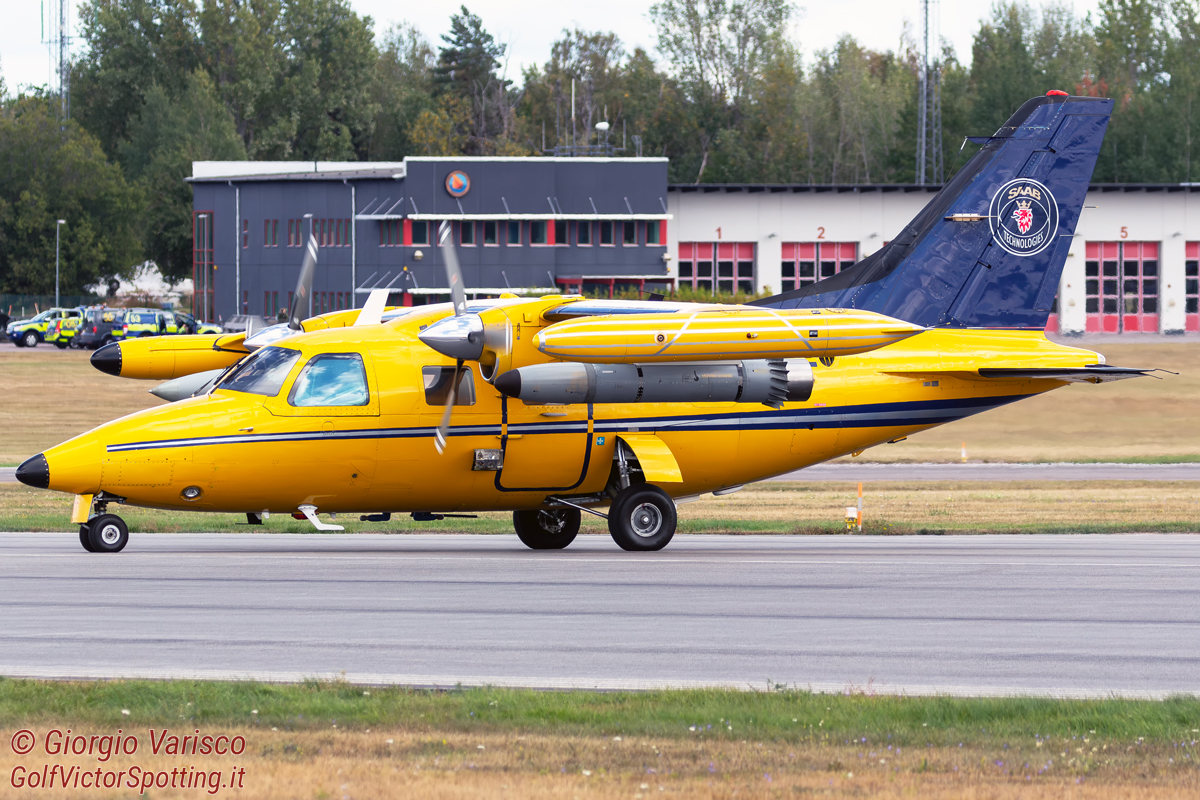
Mitsubishi MU-2
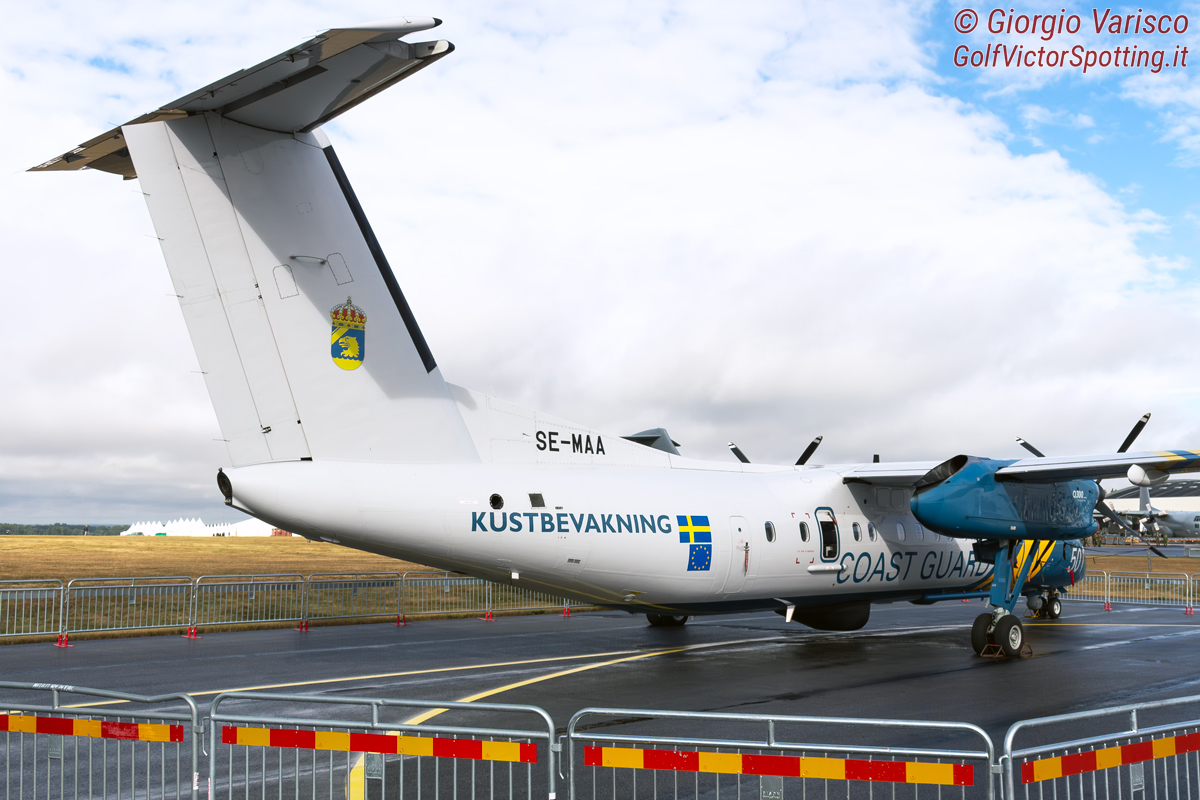
Coast Guard Bombardier Dash 8
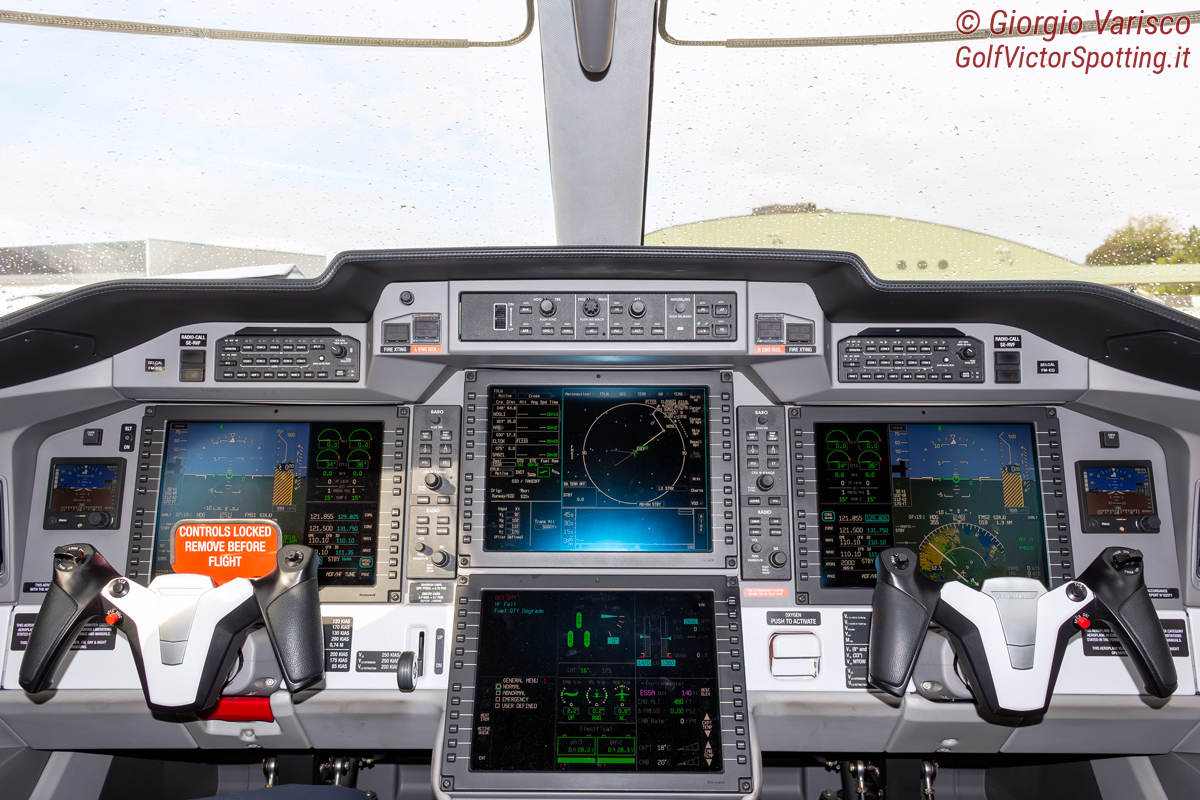
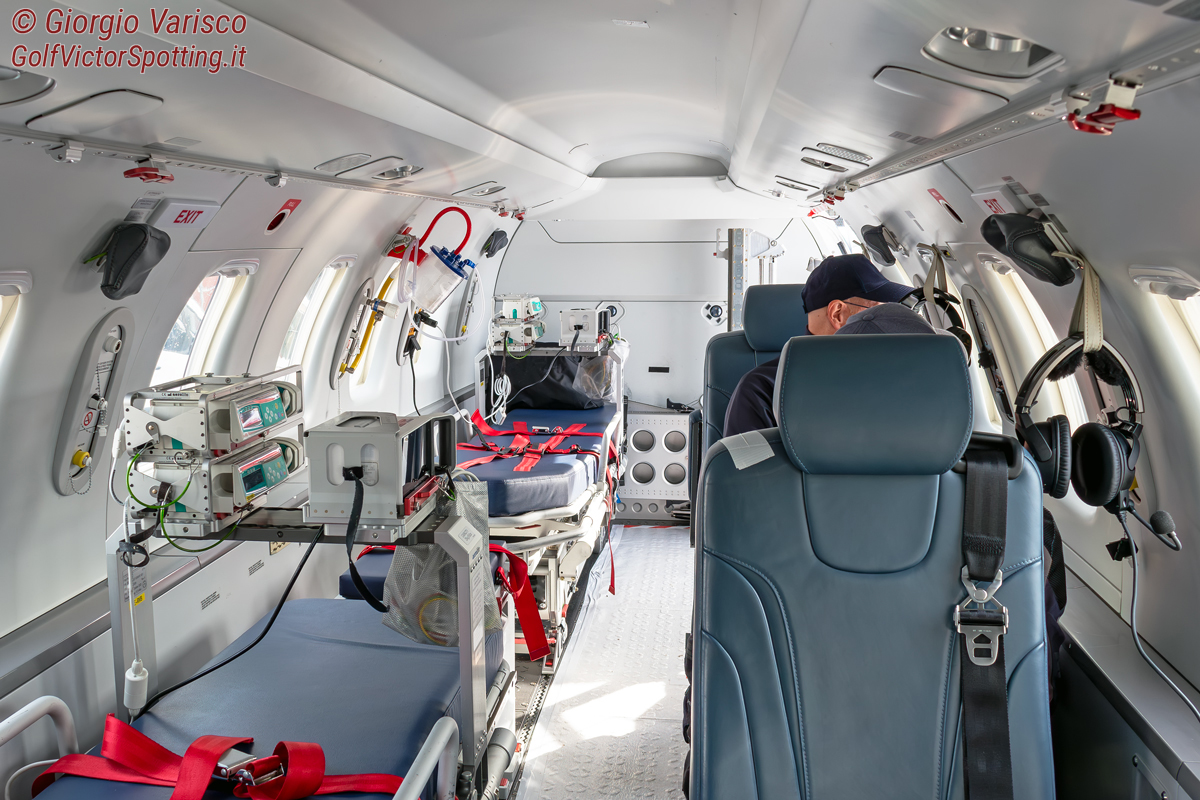
Pilatus PC-24 air ambulance
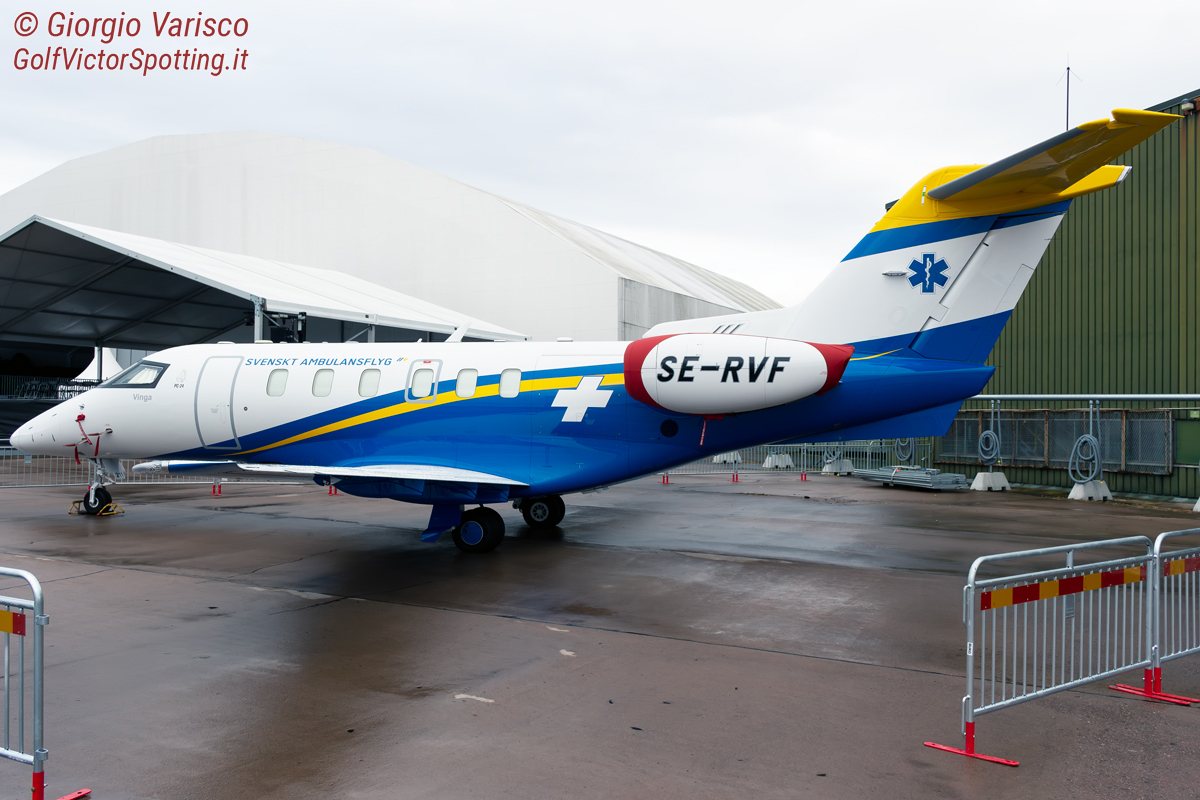
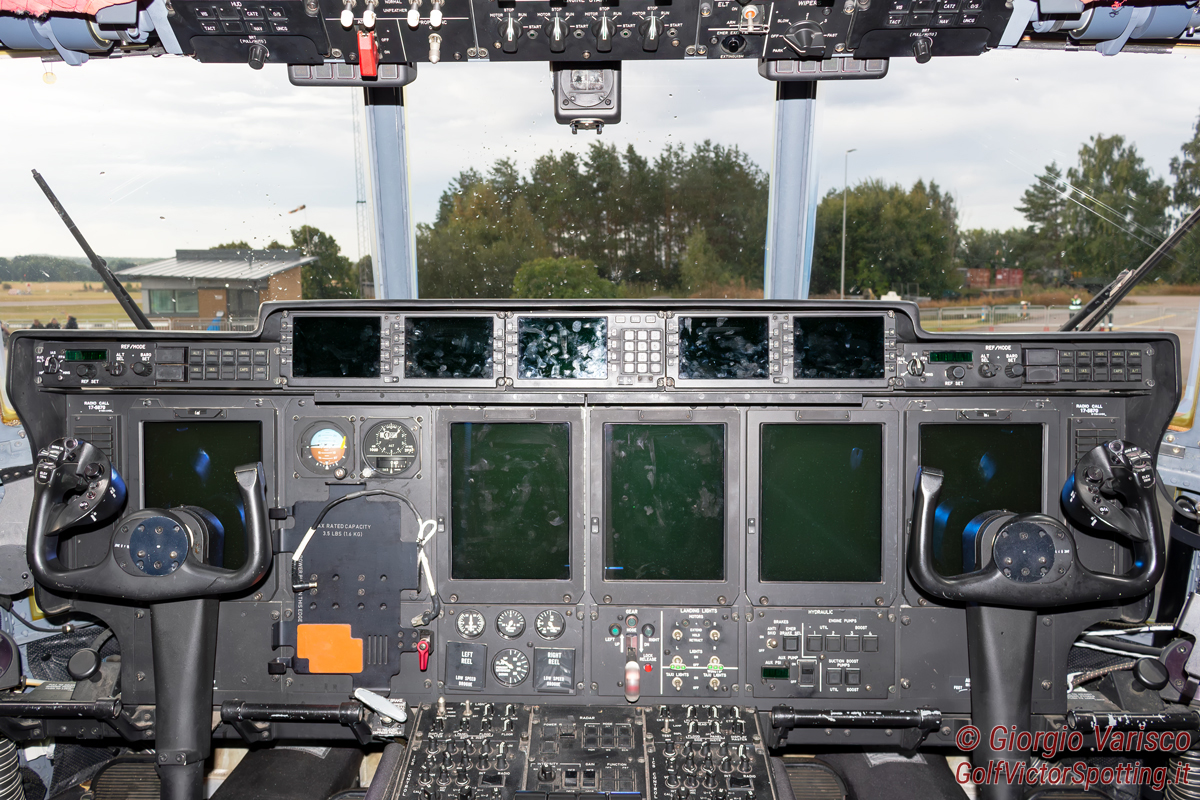
MFDs were actually turned off, with cardboard sheets placed on them
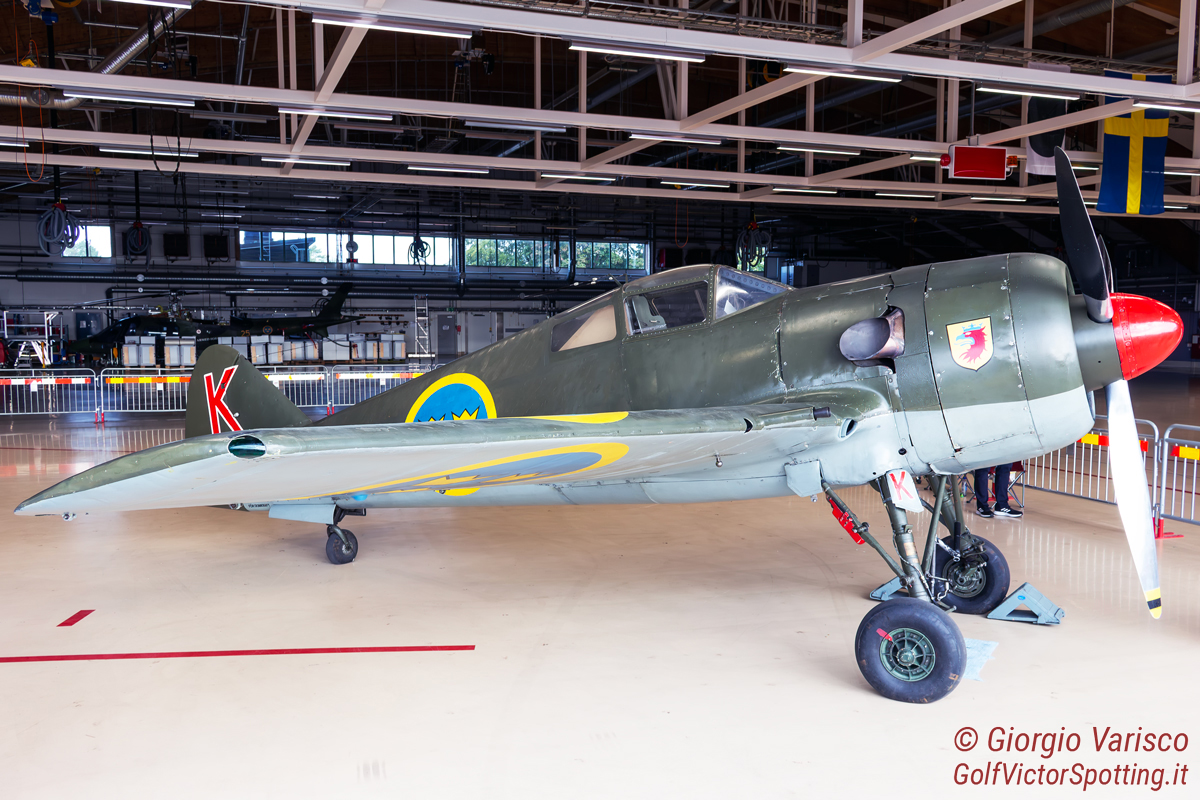
FFVS J22 WW2 fighter belonging to Ängelholms Flygmuseum. This plane is still able to perform taxi runs on its own power.
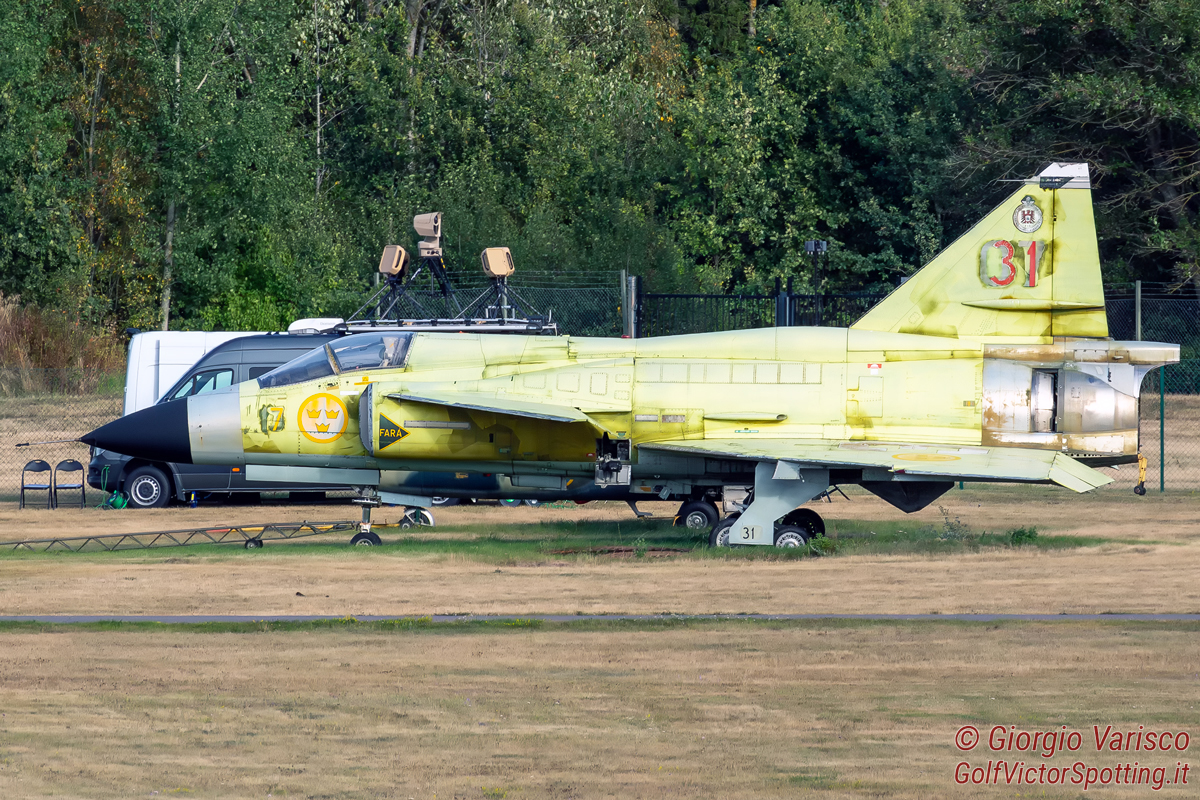
Fire training Viggen
Swedish Air Force Historic Flight planes which did not fly during the airshow:
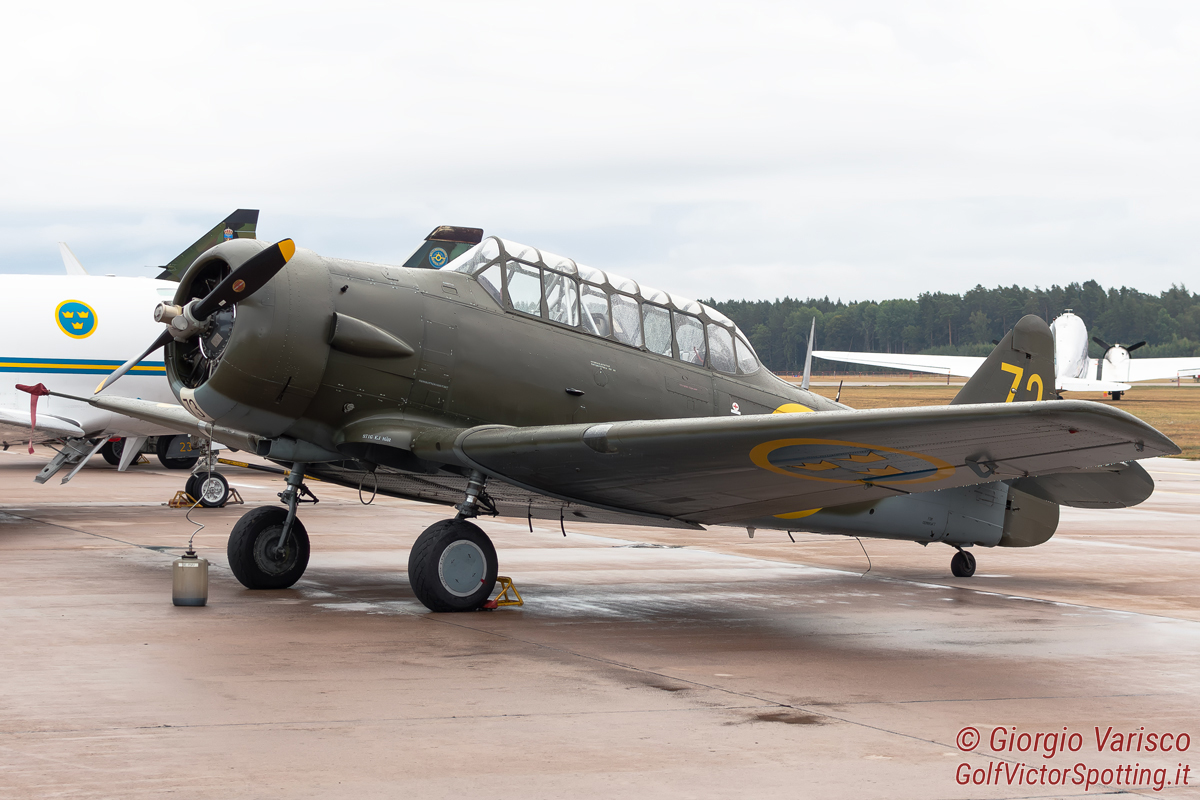
North American Sk16A
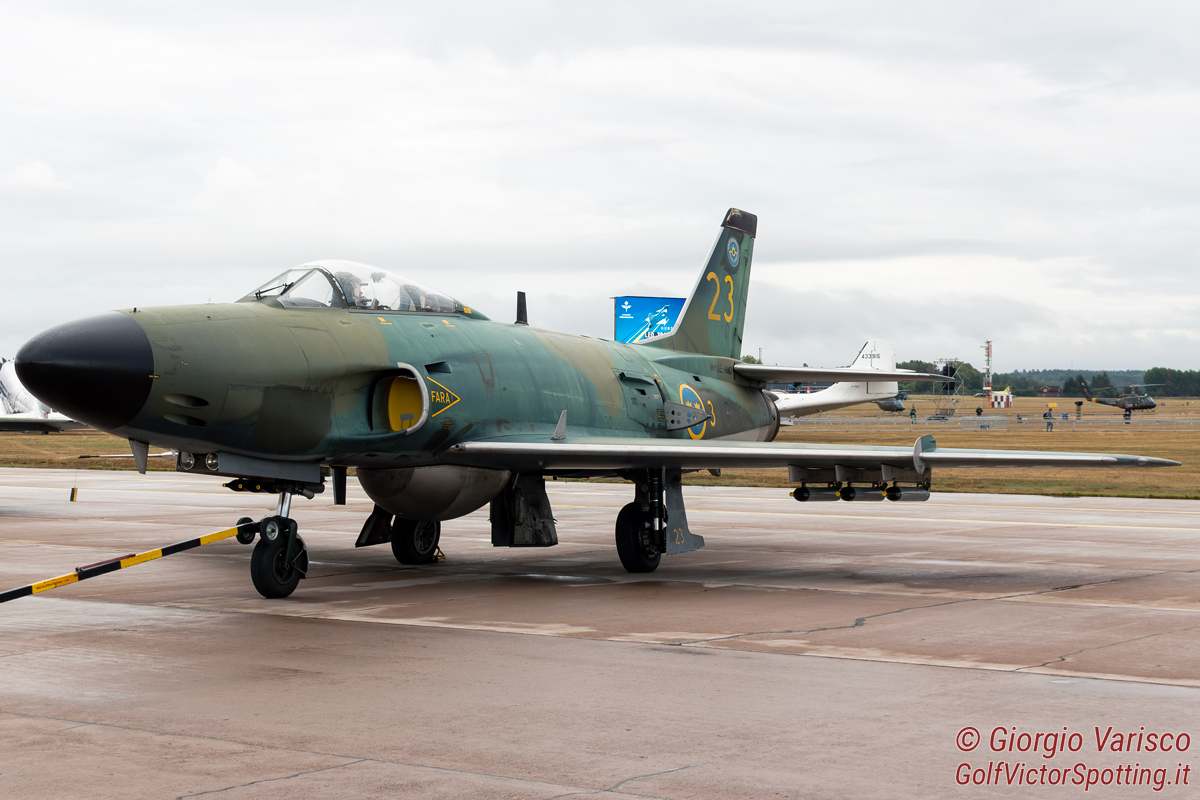
SAAB J32 Lansen
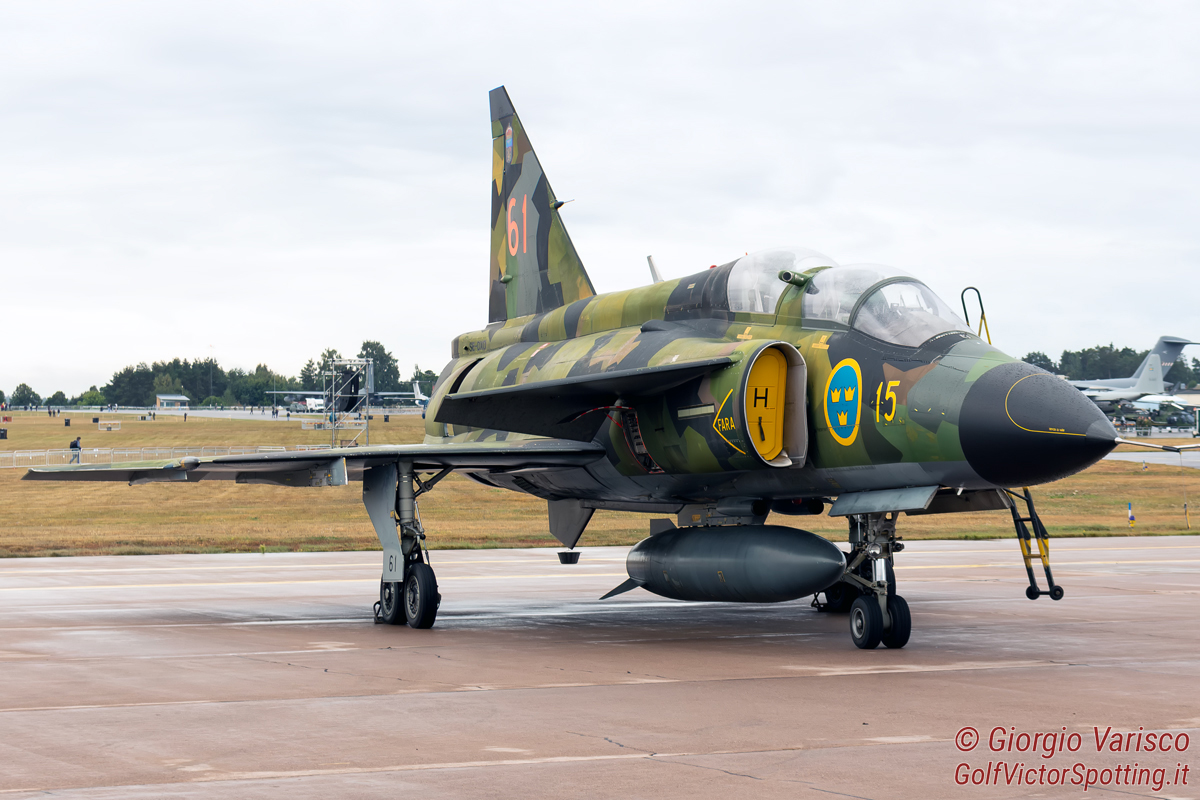
SAAB Sk37 Viggen
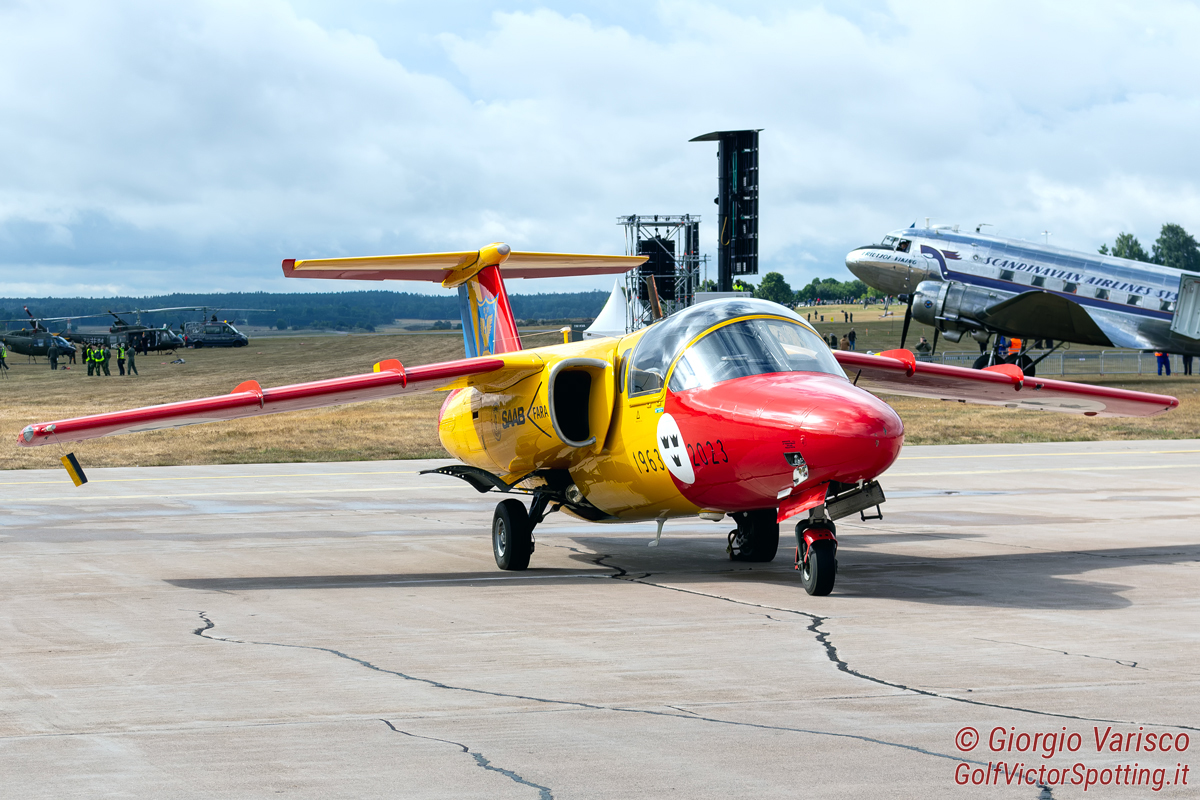
SAAB Sk60
Schweizer Hkp5
Foreign participants:
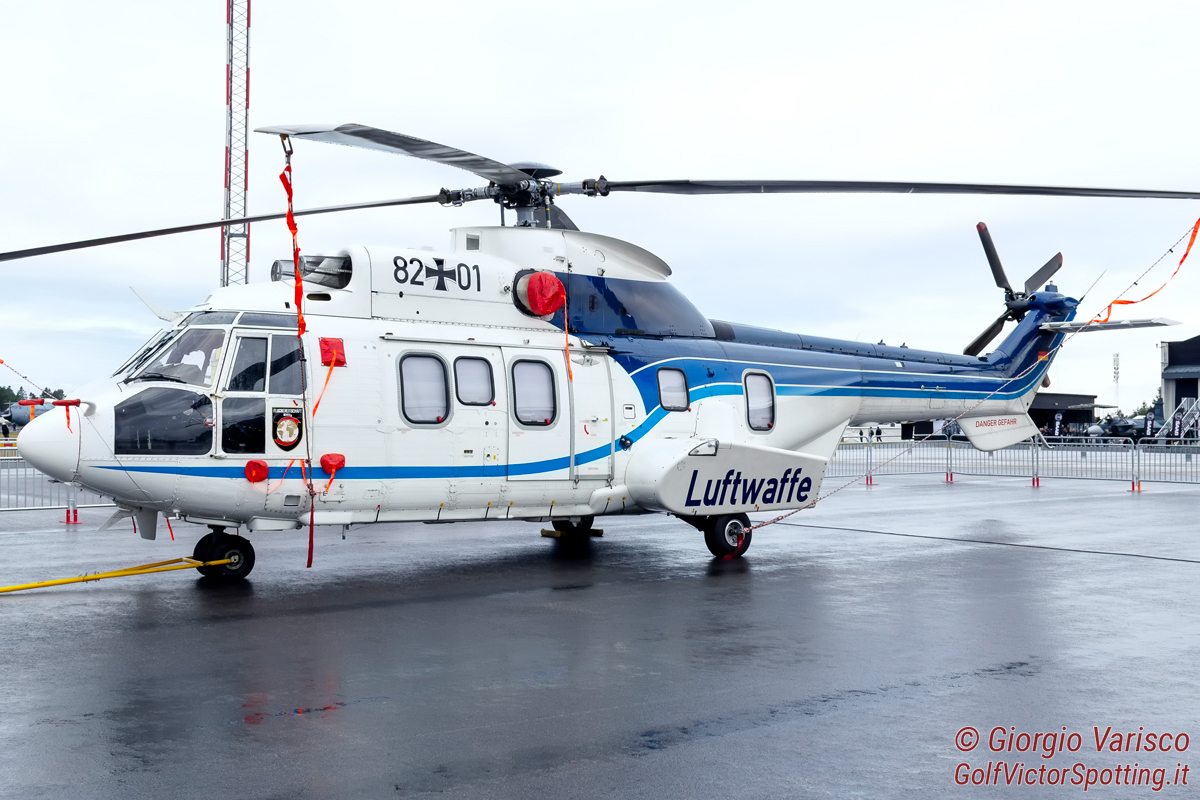
Luftwaffe Eurocopter Cougar VIP transport
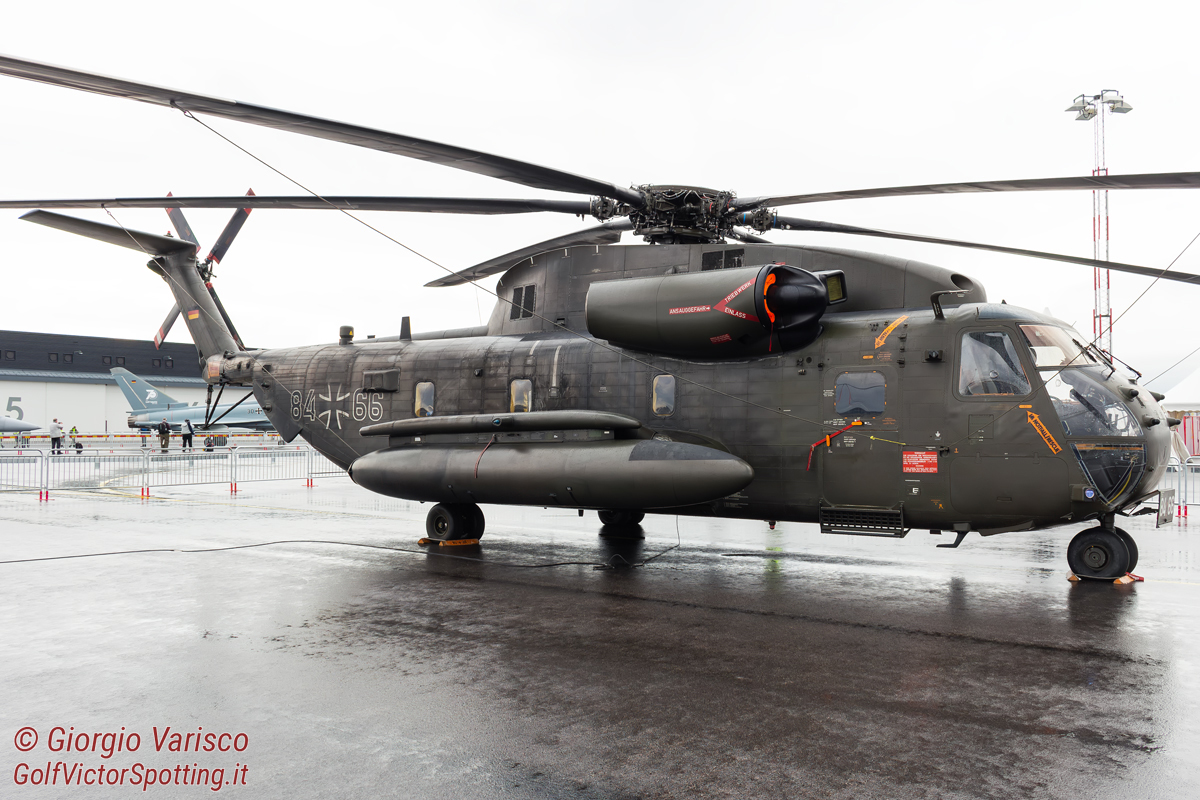
Luftwaffe Sikorsky CH-53G, due to be replaced by Chinooks in the following years
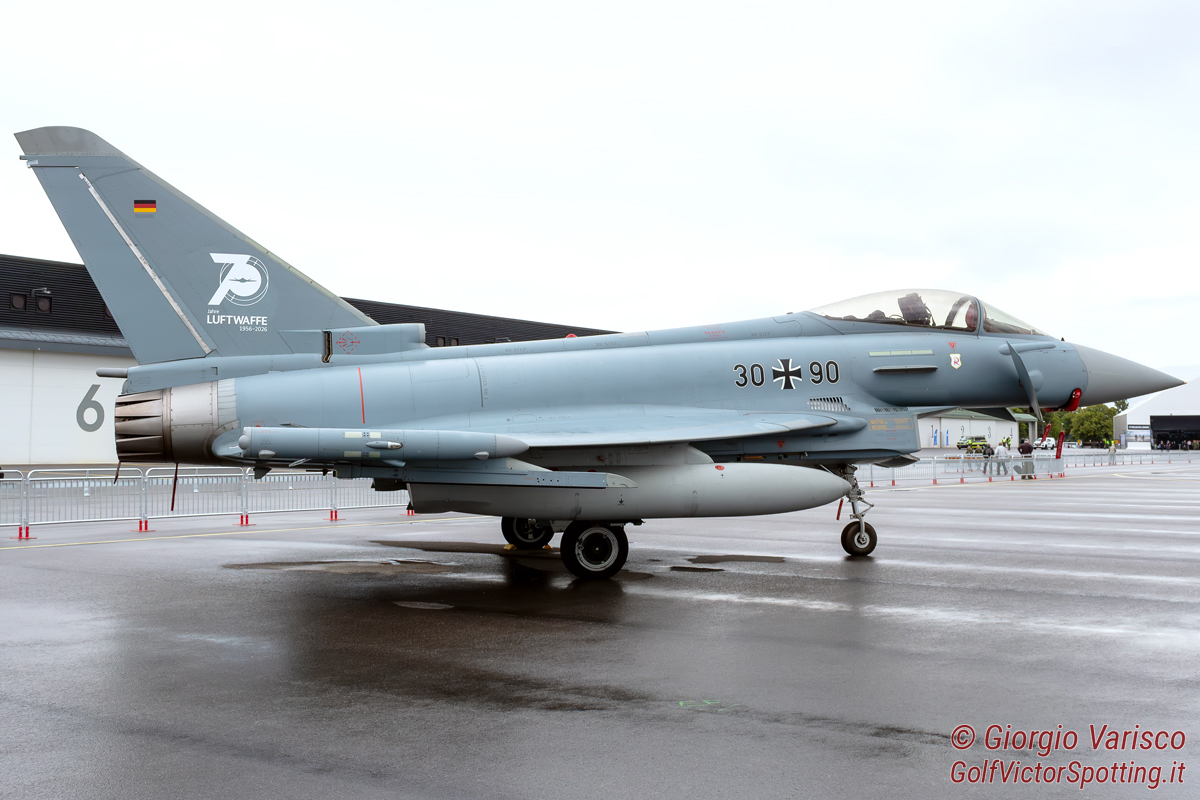
Luftwaffe Eurofighter Typhoon
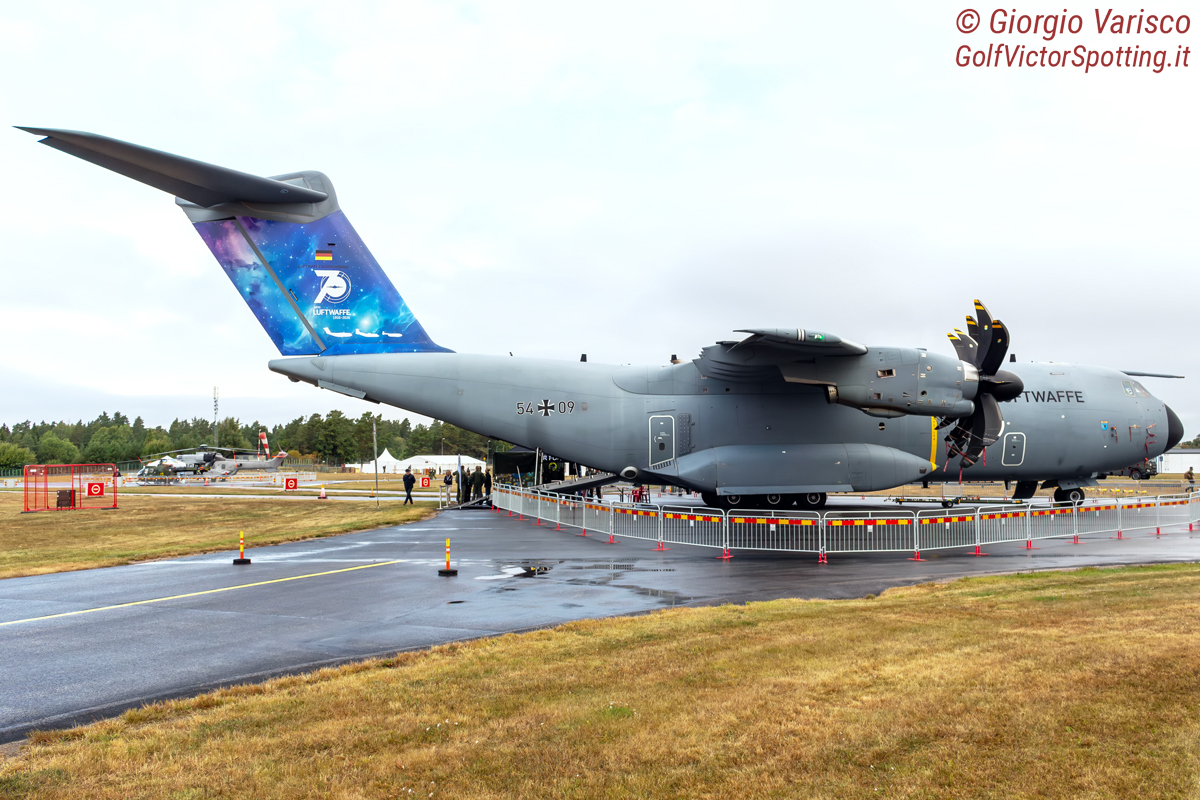
Luftwaffe Airbus A400M wearing a 75th Anniversary special tail
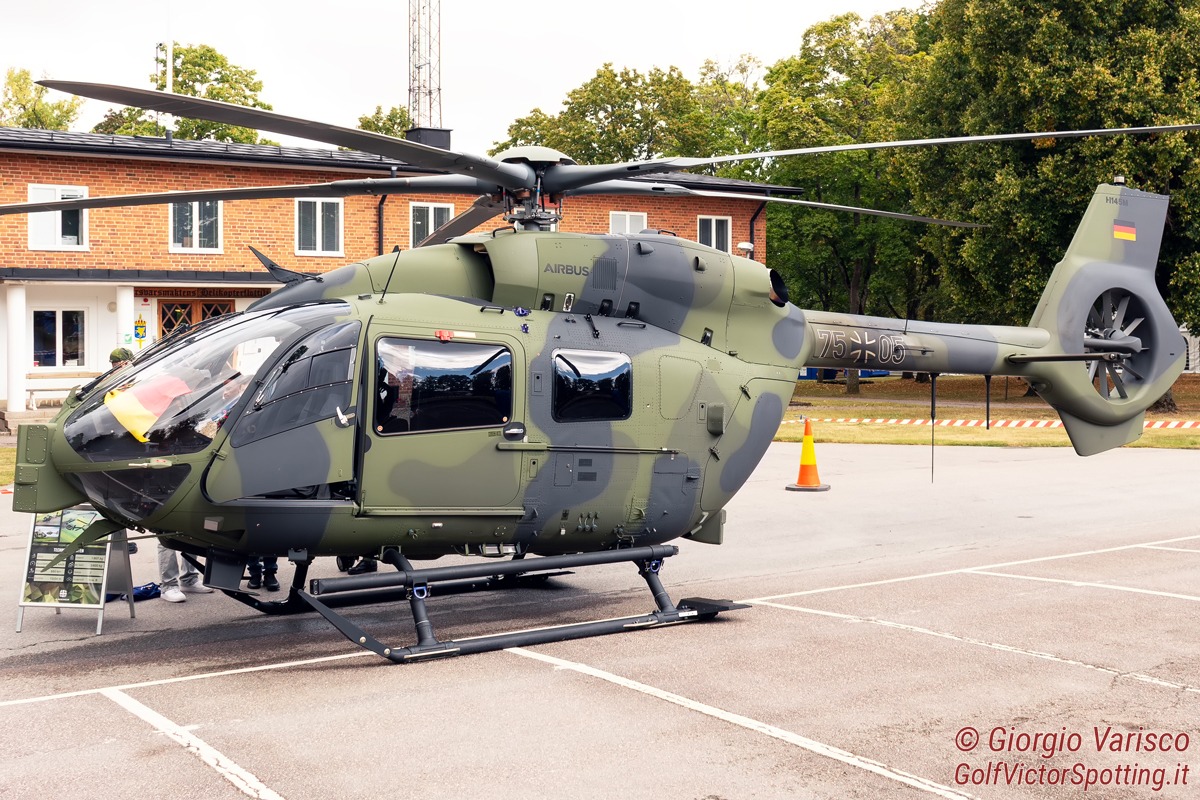
German Heer Airbus H145M
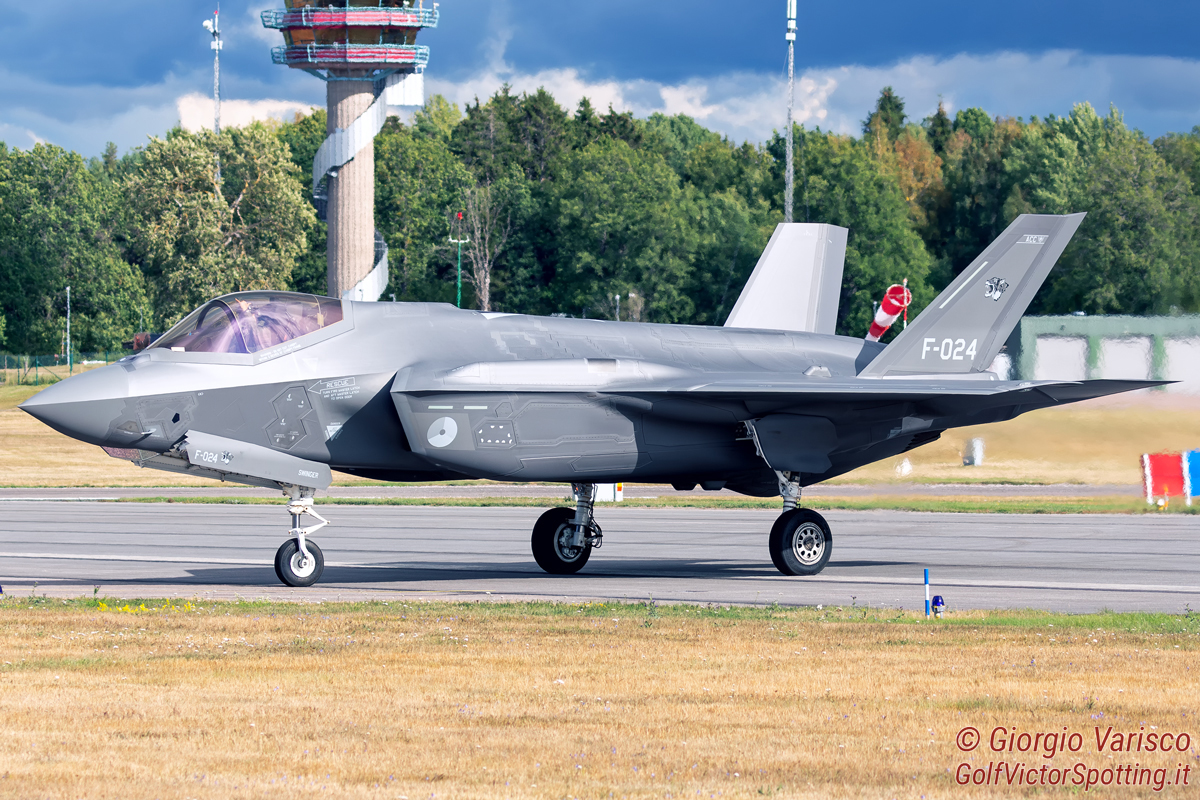
One of 2 Dutch Koninklijke Luchtmacht Lockheed F-35A Lightning II
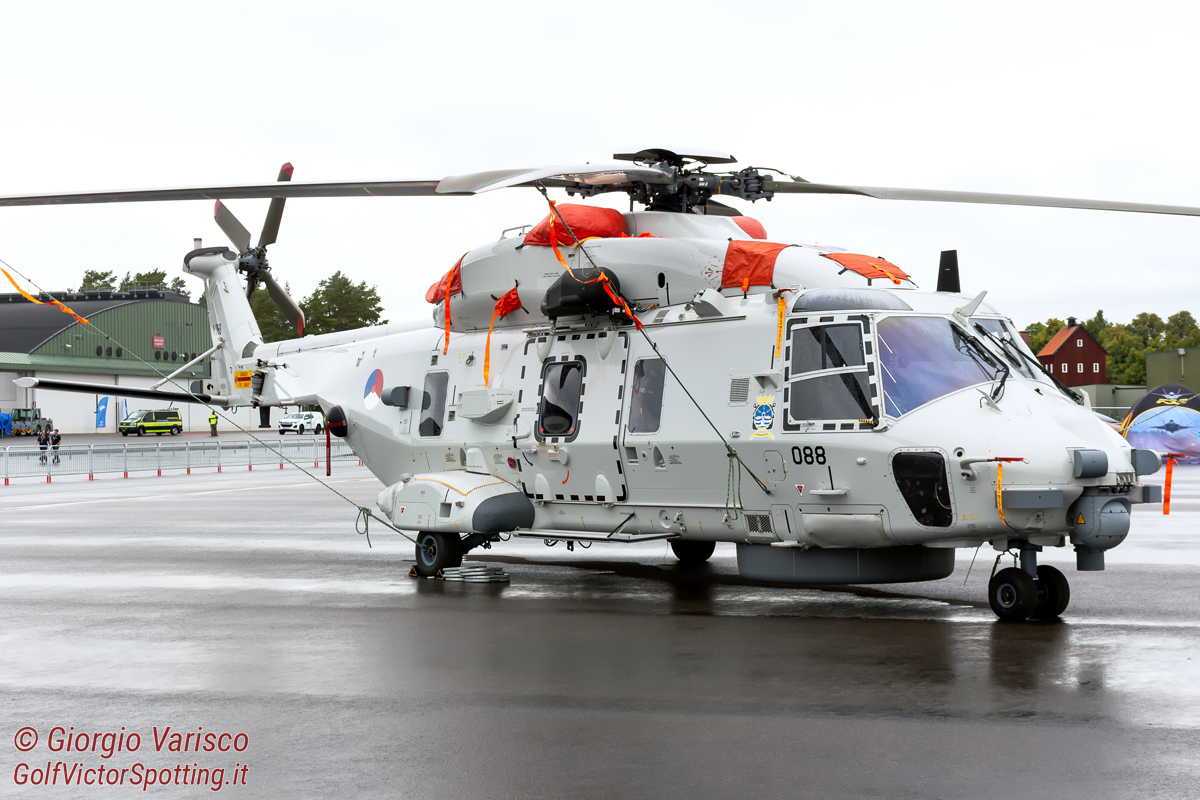
Dutch Koninklijke Marine NH-90
Força Aérea Portuguesa Embraer KC-390 Millennium
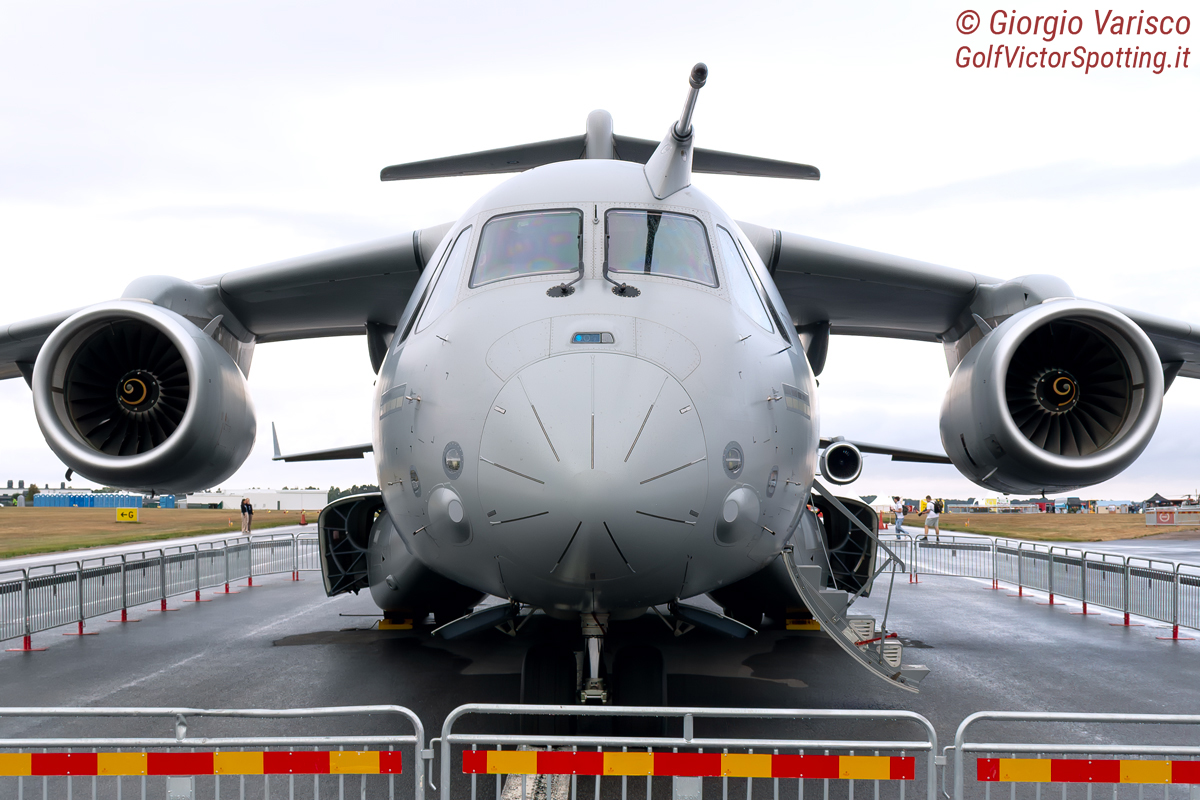
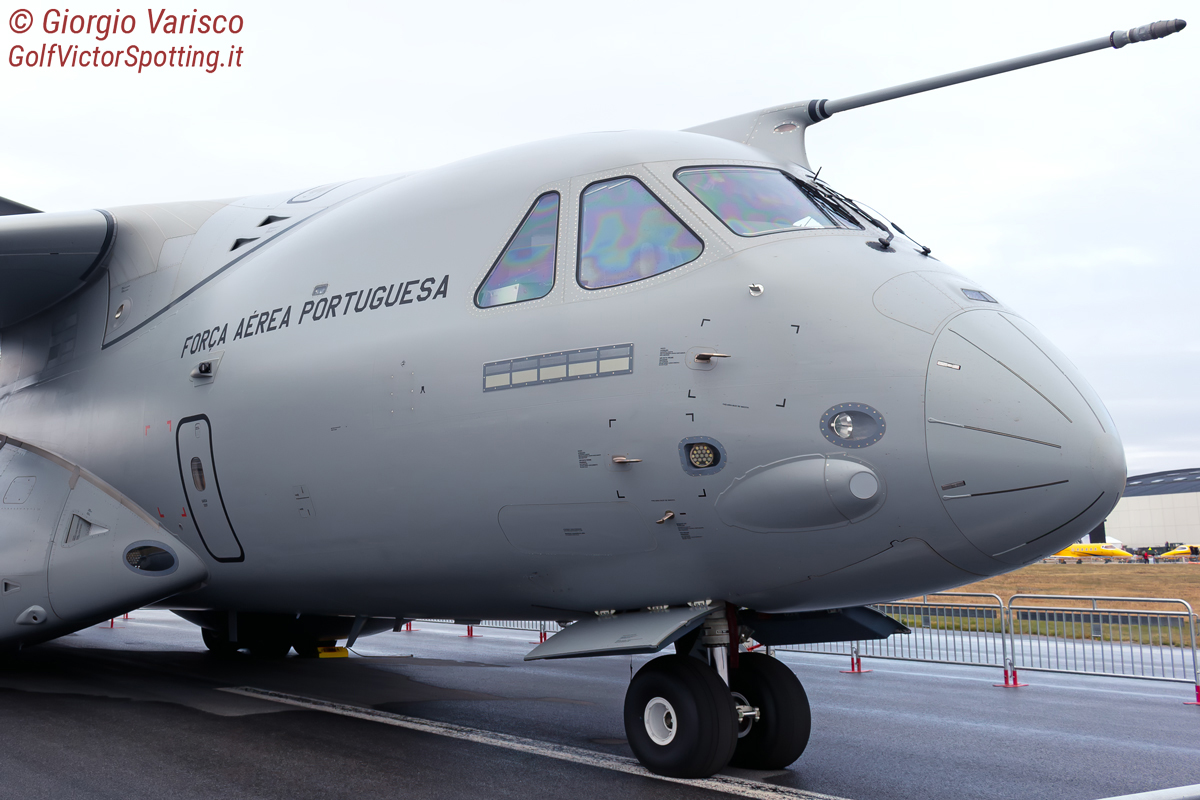
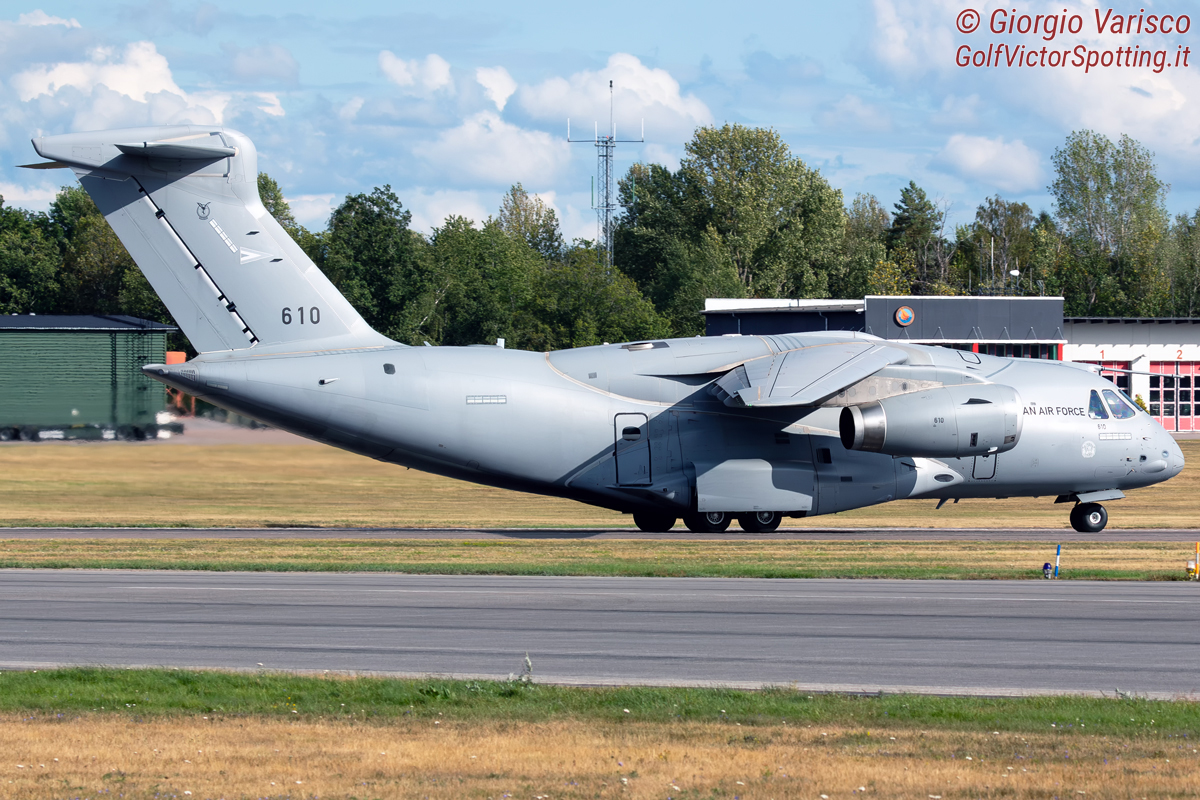
Hungarian Magyar Légierő Embraer KC-390 Millennium (actually it only performed a quick stop to support the Hungarian delegation)
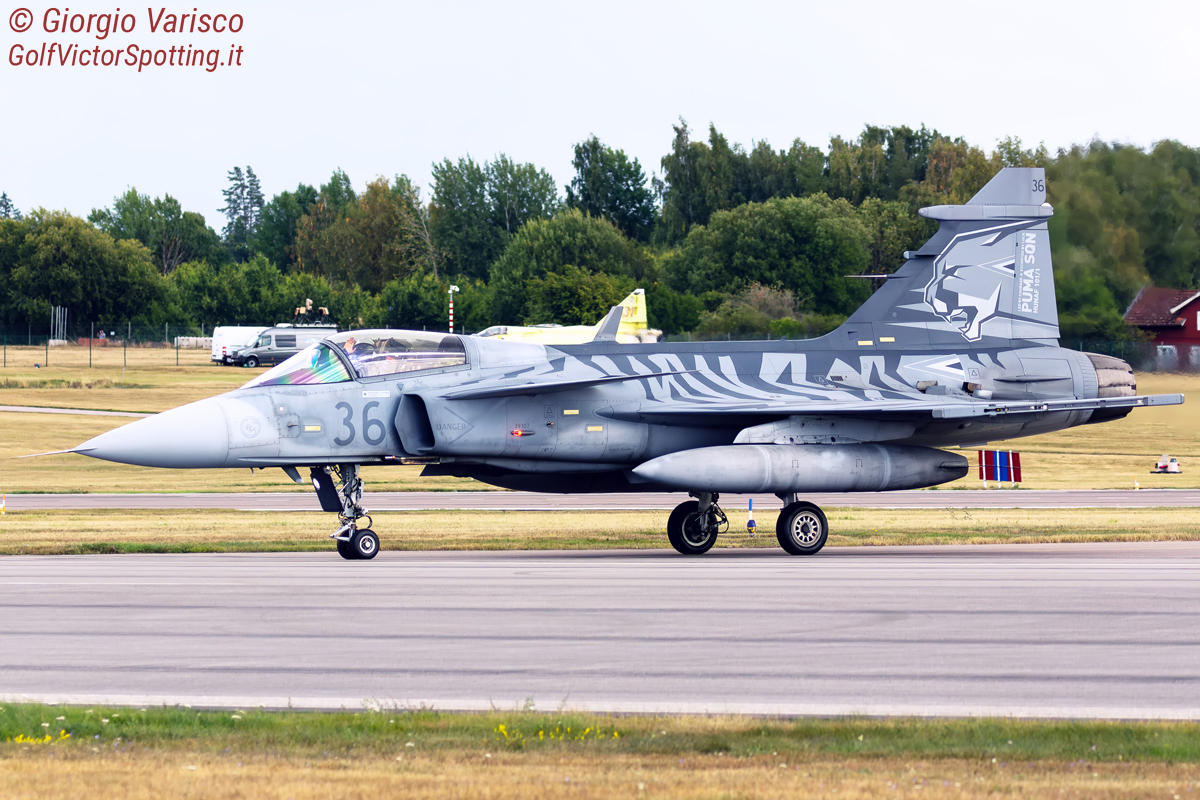
Hungarian Magyar Légierő SAAB JAS39C Gripen wearing a Tiger Meet livery
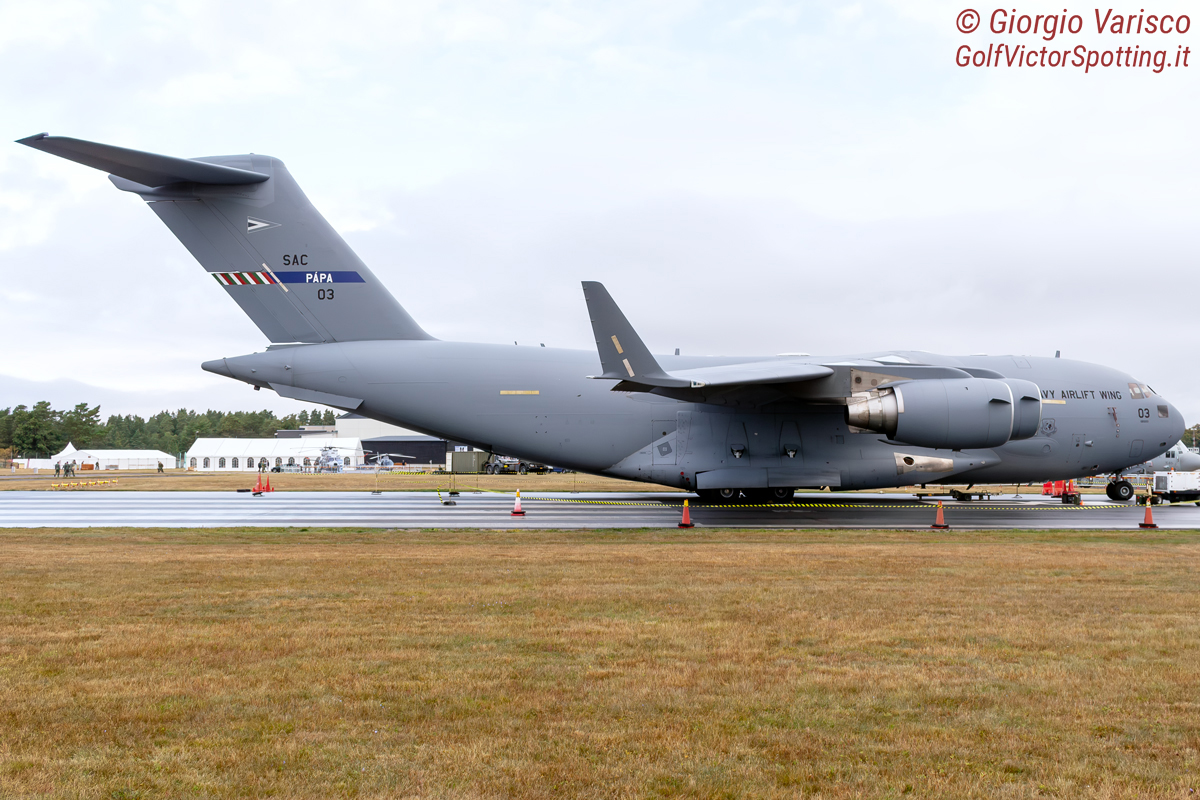
Strategic Airlift Capability Boeing C-17 Globemaster III
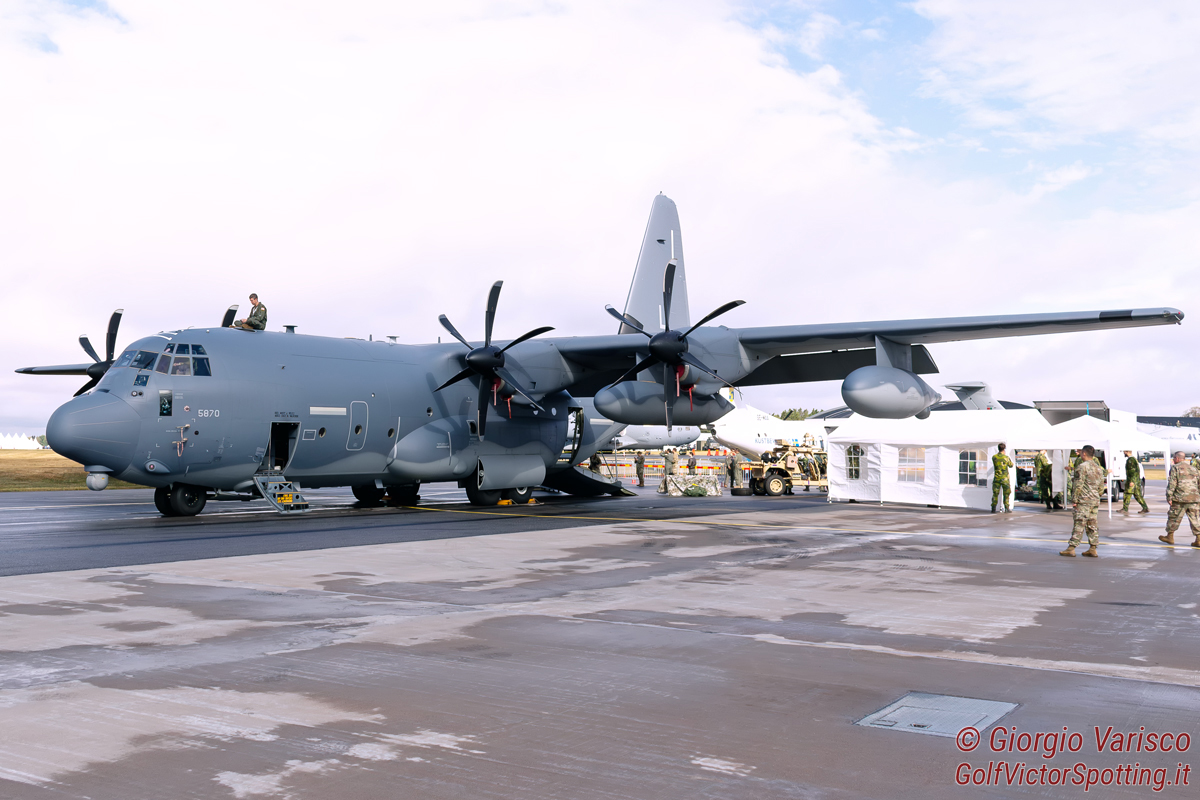
102nd Rescue Squadron New York Air National Guard Lockheed Martin HC-130J Hercules
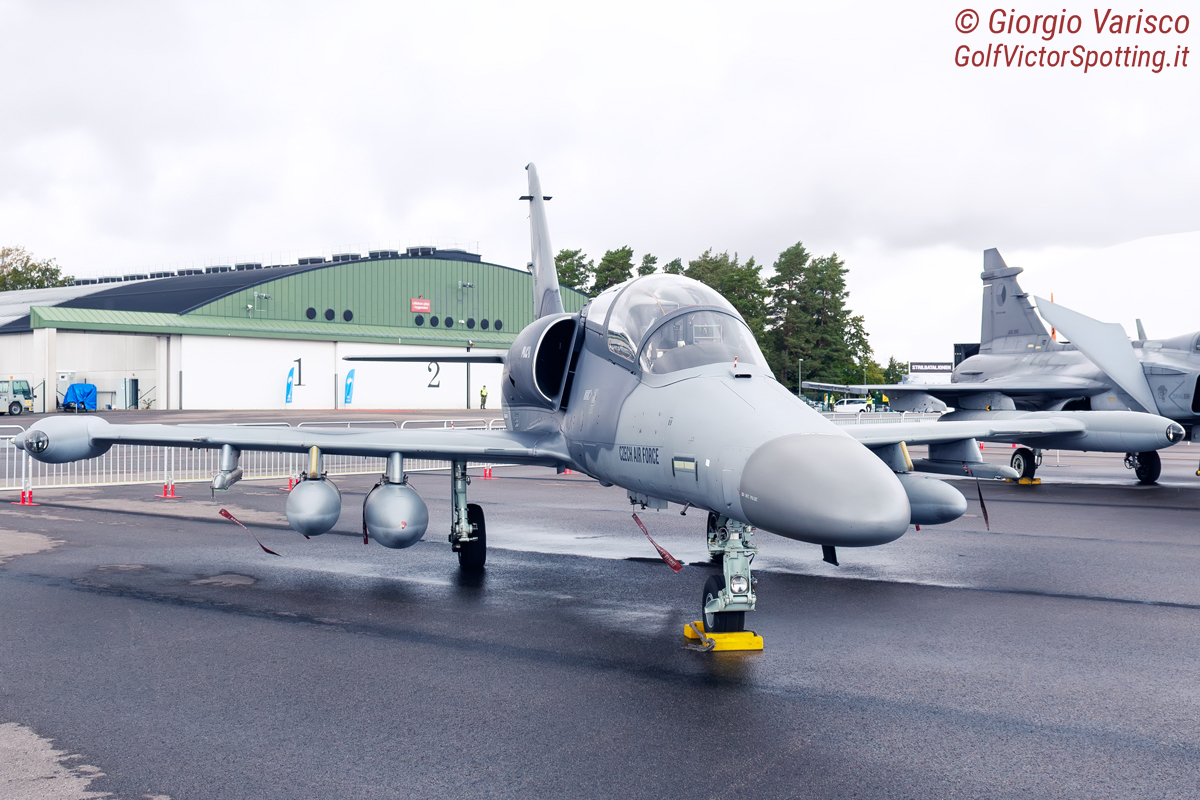
Czech Air Force Aero L-159 ALCA
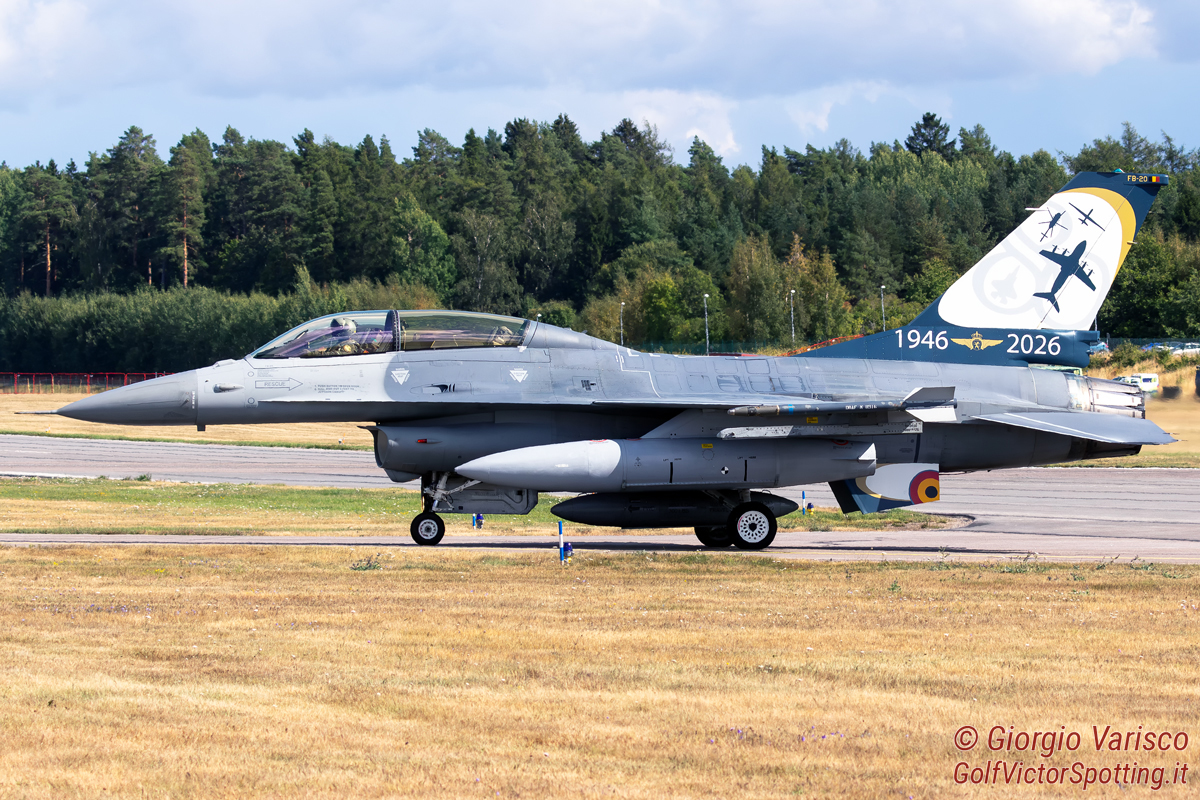
One of the last F-16B Fighting Falcon still serving with the Belgian Luchtmacht/Force Aérienne, wearing an 80th Anniversary special tail
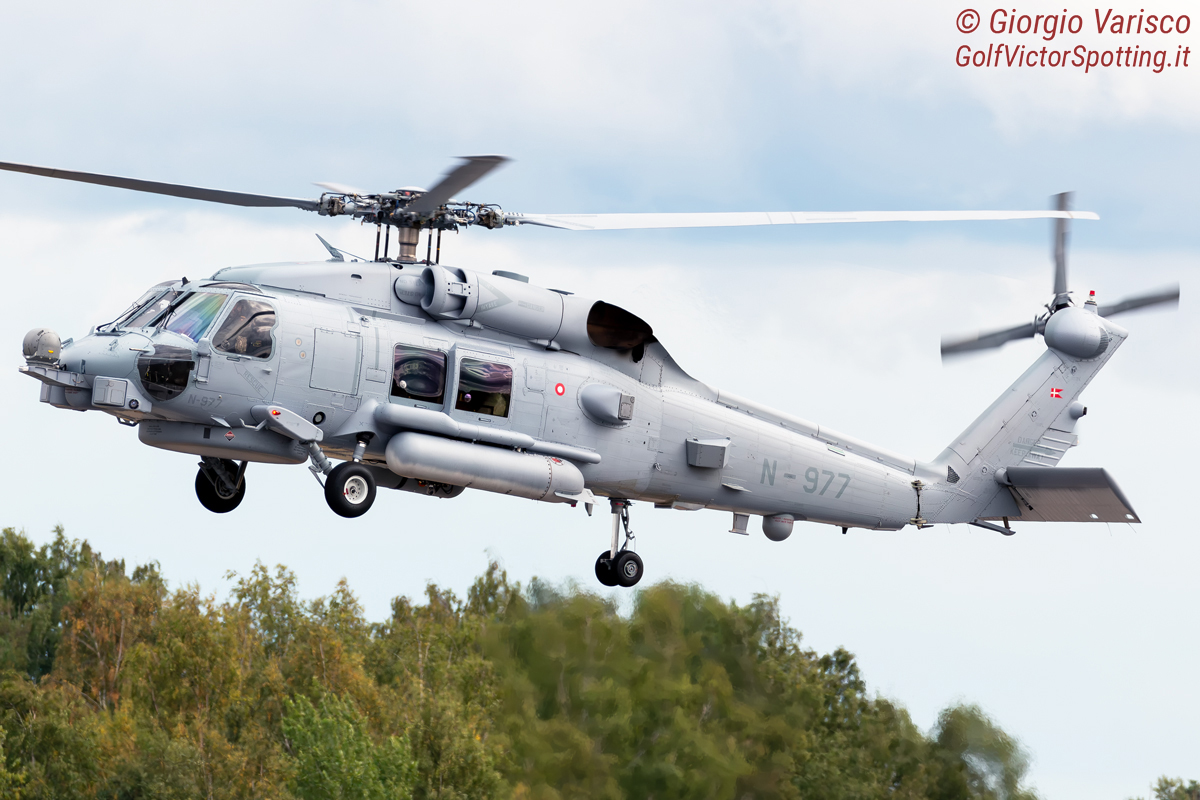
Danish Flyvevåbnet Sikorsky MH-60R Seahawk
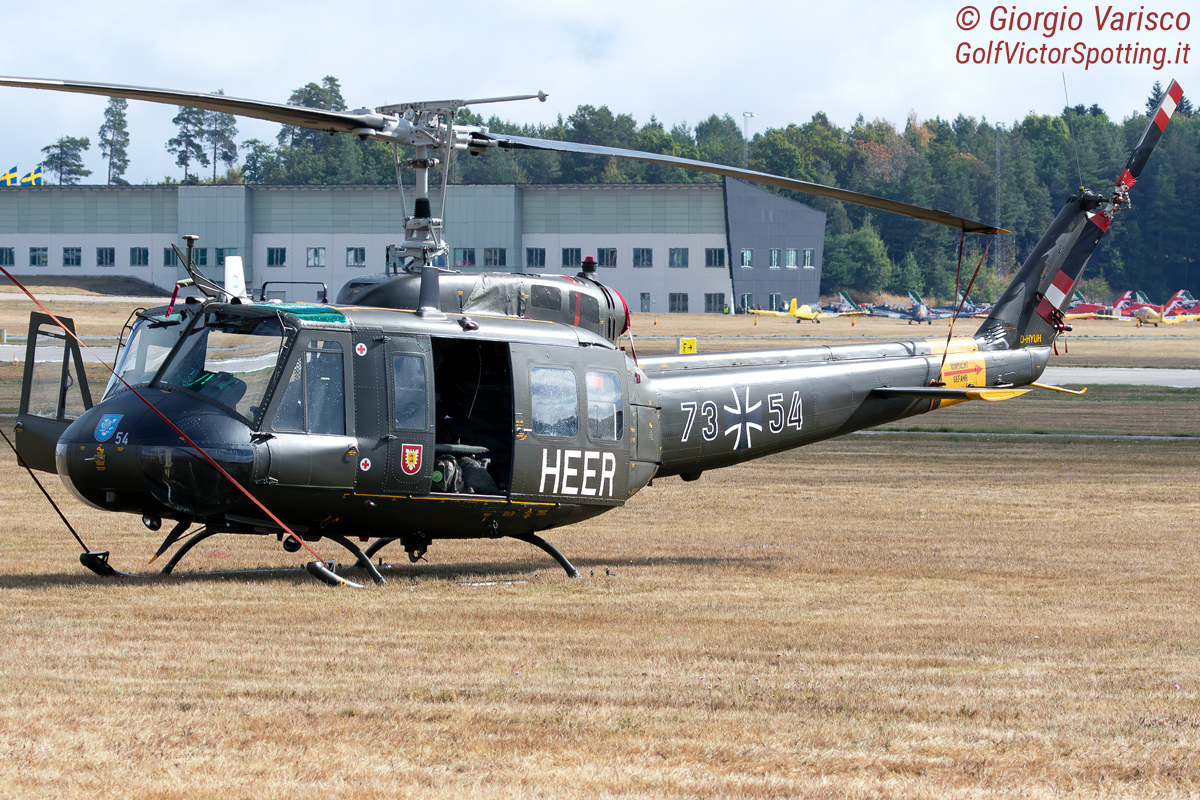
Civilian Bell UH-1D
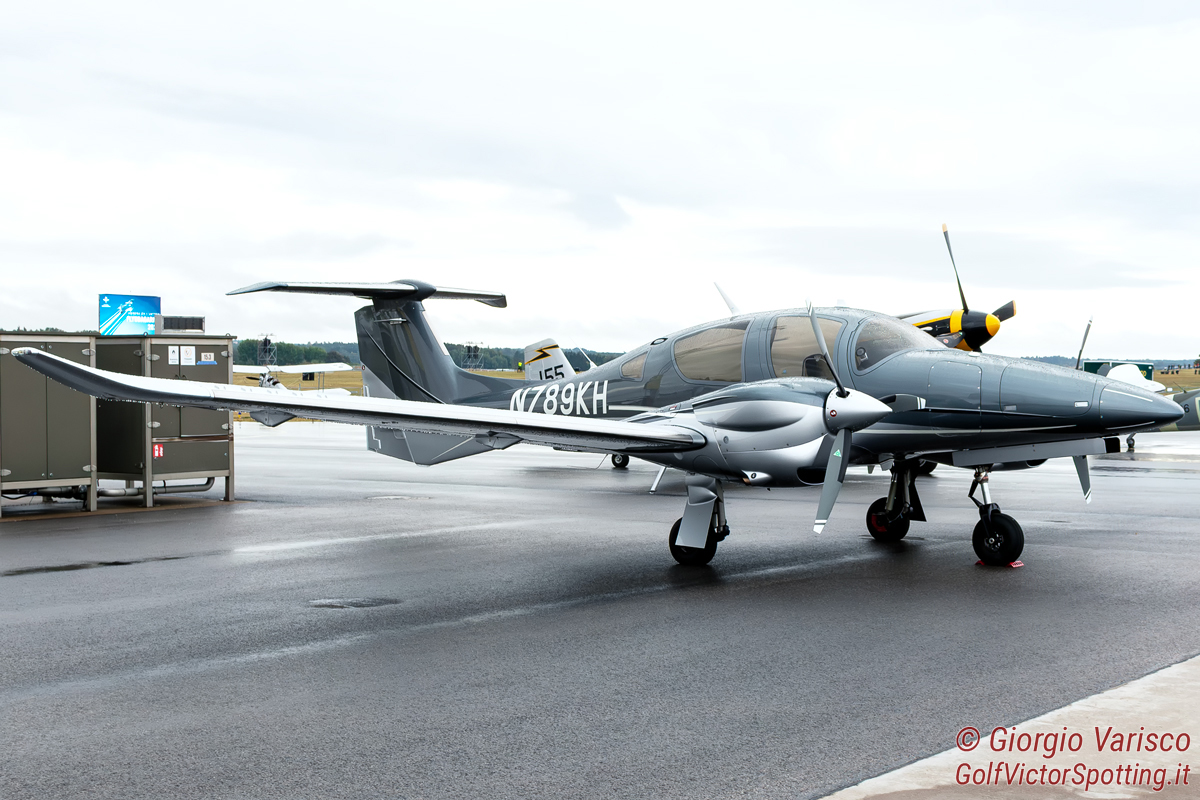
Diamond DA-62
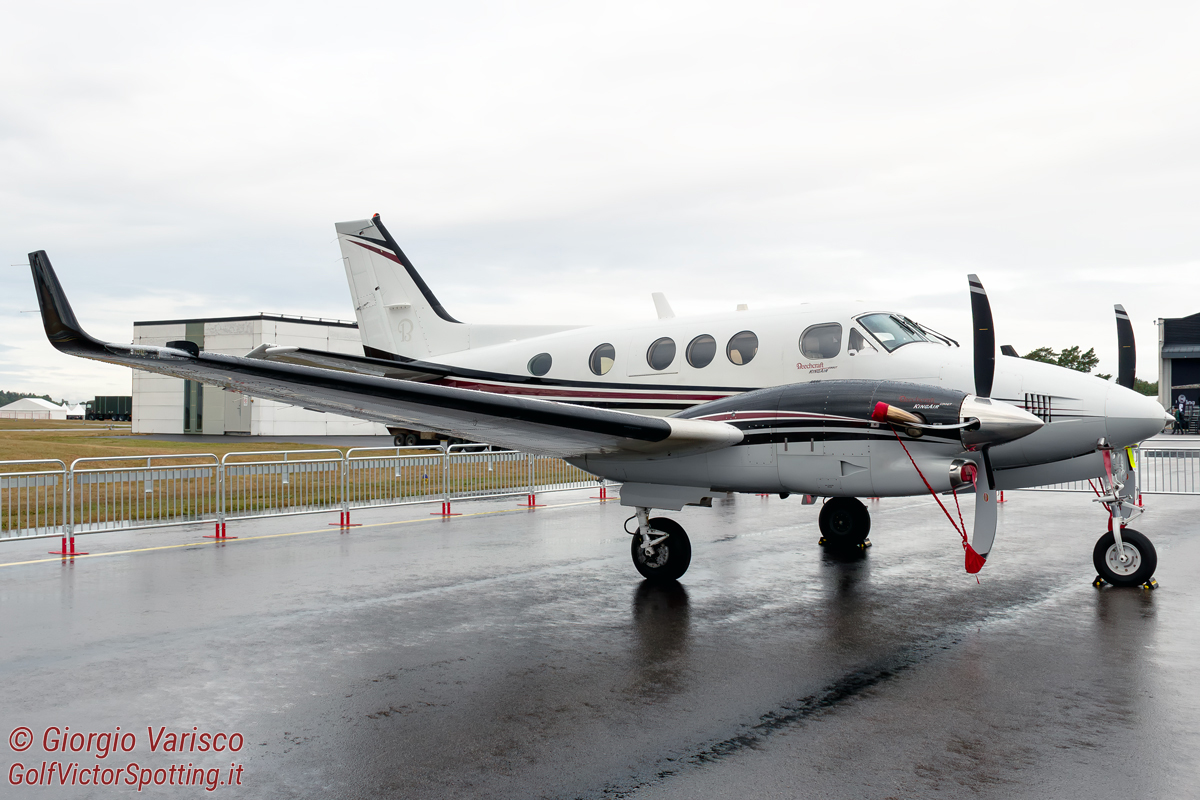
Beechcraft C90GT King Air flown by the Department of Aviation and Aeronautical Sciences of Lund University
The undeniably impressive flying program could have made this one of the most epic airshows of the decade. Unfortunately, the poor crowd placement made it feel more of a missed chance. What a pity!